
 Rock
 Aggregate
 Cement
 Concrete
 Soil
 Steel
 Bitumen/Asphalt
 Security Survey Equipment
 General Items

Wagering Regulations and Winning Tips at Big Lucky Casino to Enhance Your Results in Canada


I’ve devoted considerable time studying how Big Lucky Casino functions. It’s a trustworthy platform that has built a stellar reputation among Canadian players, with proper licensing and countless games. I don’t trust luck. My approach is based on understanding the precise rules behind every spin, hand, and bonus round. What separates casual bettors from those who steadily stretch their bankroll is a thorough reading of the details, from slot payline structures to table game surrender options. I’ve tried different strategies on this platform, and I’ve realized that when you lose your deposit or take away steady gains often depends on treating the rulebook as a strategic tool instead of a task. Here I’ll present what I’ve gathered, with tips that are relevant for Canadian players: how to understand RTP disclosures, bonus contribution rates, and the session-limiting tools Big Lucky Casino offers.
Bankroll Architecture for Canadian Gamblers
I do not manage my bankroll as a single lump of money. I split it into distinct session allocations, each with a rigid loss threshold. At Big Lucky Casino, I commonly allocate my monthly deposit into six to eight sessions, and I never allow a single session’s losses surpass twenty percent of that session’s allocation. This rule stays whether I think a win is coming or not—math is indifferent to feelings. I also define a stop-win target at 1.5 times the session bankroll. If I achieve that, I cash out and step away. I lean on the platform’s responsible gambling tools, like deposit restrictions and reality checks, to maintain my discipline. Numerous Canadian gamblers are unaware that a $300 bankroll lasts much longer when divided into six $50 sessions as opposed to one marathon. The mental separation also stops you from chasing losses and burning through your whole deposit.
Game-Specific Tactics I’ve Experimented With at Big Lucky Casino
General advice like “bet max” or “always split eights” falls apart when you really test it within Big Lucky Casino. I’ve run hundreds of simulations here, and the data tells me you want a customized plan for each game type. Slots, blackjack, and roulette demand different statistical thinking and playing rhythms. The casino’s game filter enables me sort by RTP and volatility, which aids me structure sessions based on my bankroll size. In practice, I’ll often combine a low-volatility slot grind with a single strategic blackjack table, so one game’s wild swings won’t spoil the whole day. Below, I’ll outline the adjustments that have paid off after months of real-money play.
Blackjack Game: Basic Strategy and the Soft Hand Dilemma
I maintain a basic strategy chart accessible during every blackjack session, and I adhere to it except if surrender or a specific side-bet rule requires a tweak. The house edge can fall below 0.5% when you manage soft hands correctly, for instance doubling down on ace-seven against a dealer six instead of standing. Many casual players hesitate on these borderline calls, giving up tiny edges that compound. I’ve confirmed the blackjack tables here use continuous shuffle machines, so card counting is ineffective, but that also evens out the odds and eliminates any worry about jumping in at the wrong time. Surrender is my most powerful tool; I use late surrender aggressively when I hold a hard fifteen or sixteen against a dealer ten or ace. Some tables don’t allow doubling after a split, so I always read the table placard before buying chips. And I never, ever take insurance, it comes with a house edge above 7%.
Roulette: The European Wheel and Sector Betting Traps

I only play European roulette here. The single zero lowers the house edge to 2.7%, whereas the American double-zero wheel would be a disaster. A common mistake I notice is players thinking that spreading chips over many numbers lowers risk. In truth, every bet on the layout has the same negative expectation, and piling on more bets just hastens your losses. I stick with even-money outside bets like red/black or odd/even, but I never use Martingale progressions because the table limits will eventually break any doubling sequence, leaving an unrecoverable loss. Instead, I use a positive progression: I increase my wager only after a win, locking in profits early. I avoid the racetrack and call bets completely, their payoff structures just muddy a simple probability game. My session logs show that limiting myself to ten-spin bursts with tight stop-losses keeps the math erosion under control.
Slot Volatility and Feature Buy Features
Before I play any slot, I review the game’s published RTP and volatility rating in the info panel. I lean toward slots with RTPs above 96.2% and medium volatility when my bankroll is moderate. High-volatility titles I reserve for days when I can handle fifteen or twenty dead spins without flinching. The bonus buy feature, available on select slots, lets you pay a multiple of your base bet to jump straight into a free spin round. I’ve evaluated many bonus buy scenarios, and while they can accelerate a jackpot, the long-run cost usually falls short compared to waiting for the feature to trigger naturally. Across about a hundred bonus buys I tracked, the net return was slightly below the game’s RTP, indicating it’s more a convenience fee than a statistical shortcut. I use bonus buys rarely and allocate for them separately.
Exploring the Bonus Maze
Promotions at Big Lucky Casino look like free money, but diving into the terms exposes a intricate set of rules that can erase their benefit if you are not cautious. The introductory offer often multiplies your deposit, but what actually counts is the wagering requirement multiplier, not the showy percentage. I’ve seen a 200% match that appeared excellent until I discovered a 45x playthrough linked only to high-RTP slots, which rapidly set the bonus into adverse expected value. Canadian players also need to check the maximum bet limits during bonus play; frequently a cap of five dollars per spin can void all your winnings if you surpass it. I consistently screenshot the terms page to prevent disputes. The top bonuses I’ve used were tied to strategy games like blackjack, but those typically have significantly reduced contribution rates, a aspect I’ll break down next.
Betting Condition Numbers
I reckon the real cost of a offer like this: calculate the bonus amount by the wagering requirement, then factor in the expected loss from the game’s house edge. Consider a $50 bonus with a 30x playthrough on slots. You’ll must play through $1,500. With a typical slot RTP of 95.5%, you can anticipate to lose about $67 during that process, putting the bonus in the red before variance kicks in. I’ve verified that Big Lucky Casino’s table game contributions are often reduced to 10% or less, so a blackjack session does little to clear the bonus while the house edge erodes your cash. I previously take every deposit match until I performed this math; now I only take bonuses where the playthrough cost stays below the bonus value. This cold calculation has saved me hundreds of dollars of what appeared as “free” money.
Loyalty Cashback and Its Actual Value
The VIP scheme at Big Lucky Casino returns a percentage of your theoretical loss as cash or comp points. I view it as a small rebate that reduces the casino advantage a bit, not as a income stream. The top ranks demand a enormous monthly wagering volume that I won’t pursue, the extra cashback seldom covers the added risk. Instead, I aim for the basic weekly cashback without raising my bet sizes. The key check is whether cashback funds include further wagering requirements; here, I’ve found that some loyalty bonuses are redeemable once you meet a low playthrough. I handle these rebates as a modest cushion that keeps my long-term losses a little lower, and I redeem them right away instead of playing them again.
My experience at Big Lucky Casino has shown me that reliable results are not about winning runs. It’s about merging a strong grasp of the guidelines with prudent bankroll management and bonus math. By playing every blackjack hand based on basic strategy, steering clear of American roulette completely, and sorting slot choices by RTP and volatility, I’ve been able to reduce the house edge that casinos count on. When you assess bonuses dispassionately, they become assets, not pitfalls. Canadian players who embrace this analytical approach will stretch their entertainment budget further and have less regretful moments. There’s no magic formula, but a disciplined, rules-based system puts you among the select who approach gambling as a calculated activity rather than a uninformed risk.
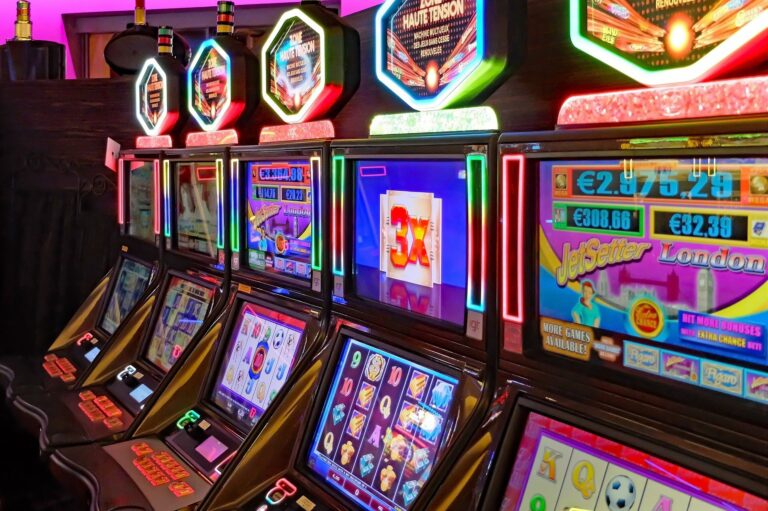
The Rulebook That Dictates Every Wager at Big Lucky Casino
Before you bet a cent, learn the rules listed inside each game’s help menu. Slots here operate on fixed paylines, id.wikipedia.org not adjustable ones, so every spin triggers all possible winning combinations. That detail raises your per-spin cost if you don’t monitor your coin size. Table games, especially blackjack variants, have house rules that substantially change the statistical edge. From my play on the classic blackjack tables, I observed the dealer stands on soft 17, which shaves roughly 0.2% off the house edge compared to a hit-on-soft-17 rule. And the platform often provides surrender, enabling you to fold a bad hand and recover half your wager, a rule many casual Canadian players overlook. Roulette wheels are clearly marked European or American, and I’ve verified the single-zero European version is the default, avoiding the punishing 5.26% house edge of double-zero wheels. These rules are not simply background noise; they’re the baseline for any winning approach.
Live dealer tables enforce a fast pace that calls for quick decisions. Betting windows usually remain open just 15 to 20 seconds, so there’s no room to hesitate if you’re manually typing your wager. The platform follows posted table limits. I’ve seen live blackjack minimums at five Canadian dollars, while high-roller tables accept much larger stakes. Side bets like Perfect Pairs or 21+3 look tempting, but the house edge on these extras often tops 4%, so I treat them as pure entertainment spending, not a winning strategy. Another rule I’ve observed is that some blackjack rooms ban mid-shoe entry, blocking you from jumping in on a favorable count even if you were tracking it. Baccarat tables, on the other hand, permit you join freely. These nuances appear small, but over hundreds of hands, misreading a rule about splitting aces or doubling after a split can drain your bankroll fast. Take five minutes in the info tab before you risk serious money.