
 Rock
Rock Aggregate
 Cement
 Concrete
 Soil
Soil Steel
Steel Bitumen/Asphalt
 Security Survey Equipment
 General Items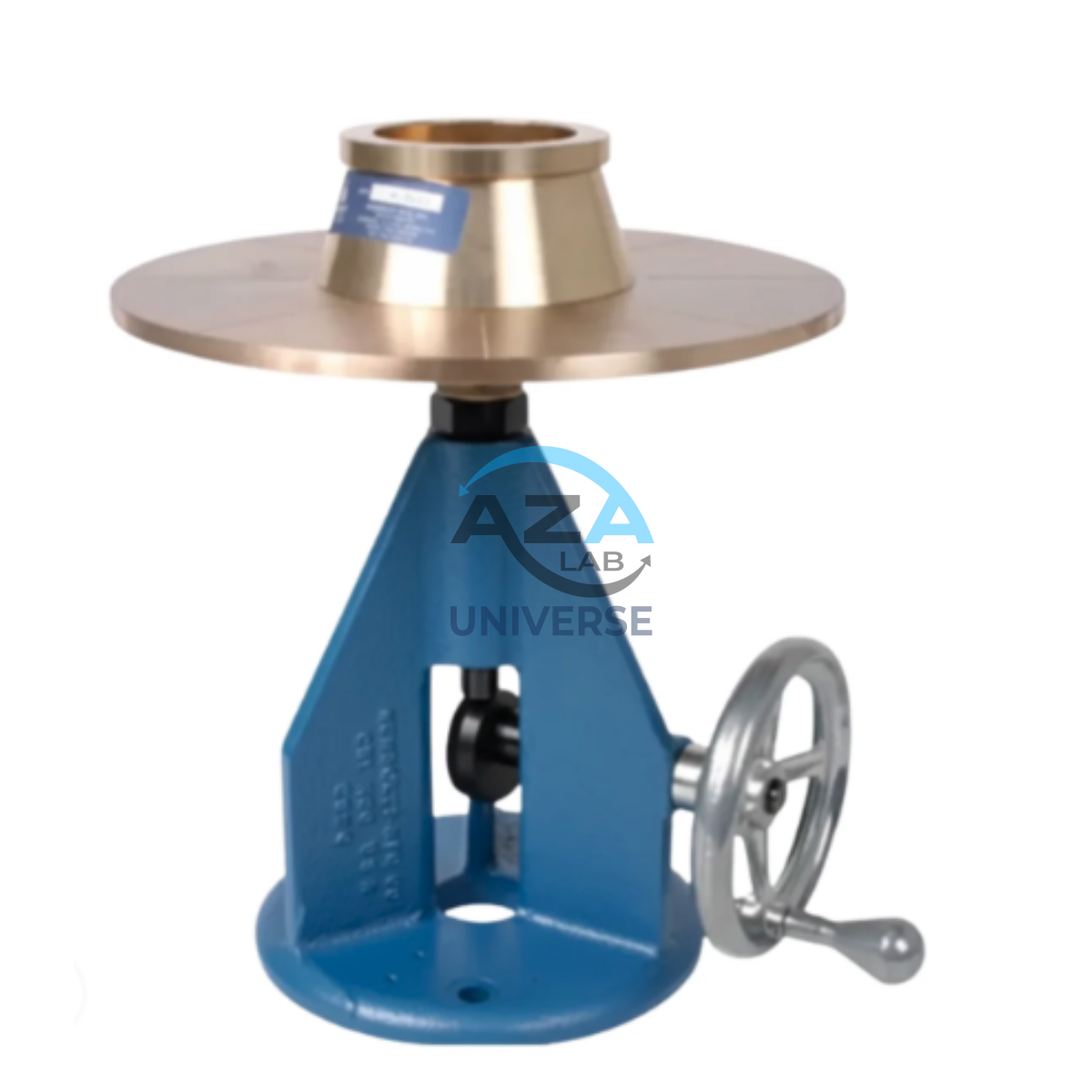
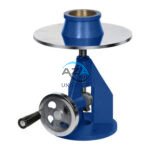
FLOW TABLE AZA0791B
- Measures mortar and concrete flow and workability
- Manual drop mechanism for reliable consistency testing
- Built as per IS 1199 and ASTM C230 specifications
- Includes mould, table, handle, and drop cam
- Used in site QC, R&D, and cement lab applications
Description
Flow Table is a standardized lab instrument used to determine the workability, consistency, and flow of fresh cement mortar or concrete. This simple yet precise testing tool helps identify how easily a mix spreads under its own weight after a controlled mechanical impact. It is a critical part of material quality control in construction projects and cement laboratories.
The Flow Table consists of a rigid circular metallic surface mounted on a sturdy base. At the center of the table is placed a conical mould, which is filled with fresh mortar or concrete. The mould is then lifted, and the table is dropped a fixed number of times using a handle-operated cam mechanism. The extent to which the material spreads across the table indicates its flowability and consistency.
The test conforms with both IS 1199:1959 – Methods of Sampling and Analysis of Concrete and ASTM C230/C230M – Standard Specification for Flow Table. These standards define the equipment dimensions, drop height, and number of drops to ensure consistent and comparable results across labs and test sites.
Components:
- Flow Table Plate: Made of brass or stainless steel; typically 762 mm in diameter
- Drop Mechanism: A hinged or cam-action system that raises and drops the table uniformly
- Flow Mould: Frustum-shaped cone (100 mm height, 100 mm top, 200 mm base diameter)
- Handle: Manually operated lever for dropping the table
- Base Frame: Heavy base to absorb impact and provide stability
How the Flow Table Test Works:
- The flow mould is centered on the table and filled with a fresh mortar or concrete mix.
- The mix is tamped (as per standard) and the mould is lifted vertically.
- The table is then dropped 25 times from a height of approximately 12.5 mm.
- The final diameter of the spread sample is measured in two perpendicular directions, and the average is recorded as the flow value.
This value helps determine if the mix is suitable for applications like grouting, overlay work, or precast manufacturing, where flowability is critical. A higher flow value indicates greater ease of placement and compaction, while a lower value may signal stiff or under-mixed material.
Applications:
- Cement and mortar quality control in laboratories
- Field testing on construction sites
- Evaluation of admixture effectiveness
- Comparison of water-cement ratio effects
- Teaching aid in civil engineering laboratories
Benefits:
- Simple and repeatable testing method
- Portable and manually operated – ideal for field use
- Provides quick feedback on mix behavior
- Helps reduce trial-and-error during mix design
- Compliant with both national and international standards
Additional Usage Notes:
The test is particularly valuable when working with self-leveling mortars, grouts, or repair materials, where even minor changes in consistency can affect performance. It also helps optimize admixture dosage, such as plasticizers and superplasticizers, by showing direct impact on flow characteristics.
Specifications:
| Parameter | Specification |
| Table Diameter | 762 mm (30 inches) |
| Drop Height | 12.5 mm to 25 mm |
| Table Material | Brass, stainless steel, or mild steel |
| Flow Mould Dimensions | 100 mm H × 100 mm top Ø × 200 mm bottom Ø |
| Number of Drops | 25 (standard) |
| Operating Mechanism | Manual lever with cam-action |
| Standards Compliance | IS 1199:1959, ASTM C230 |
| Application | Cement, mortar, concrete workability tests |
Frequently Asked Questions (FAQ):
Q1: What does the Flow Table test measure?
It measures the flow or spread of mortar/concrete, indicating its consistency and workability.
Q2: Is this test suitable for concrete as well as mortar?
Yes. It’s widely used for both, especially in highly workable mixes like grouts, overlays, and micro-concrete.
Q3: Which standards does the Flow Table comply with?
It complies with IS 1199:1959 and ASTM C230.
Q4: How many drops are required for a standard test?
Typically 25 drops are made, as specified by both IS and ASTM procedures.
Q5: Can this equipment be used on-site?
Yes. Its manual design and durable construction make it suitable for both lab and field conditions.
Additional information
| Table Diameter |
762 mm (30 inches) |
|---|---|
| Drop Height |
12.5 mm to 25 mm |
| Table Material |
Brass, stainless steel, or mild steel |
| Number of Drops |
25 (standard) |
You may also like…
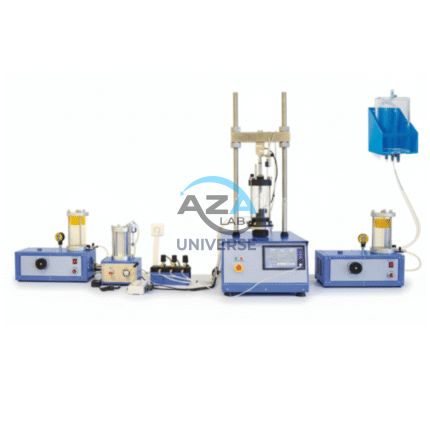
ADVANCED TRIAXIAL TEST SYSTEM (UU–CU–CD CAPABLE) AZA1296
The AZA LAB Advanced Triaxial Test System AZA1296 is a fully automated geotechnical laboratory testing system designed for accurate determination of soil shear strength and deformation characteristics under controlled stress and drainage conditions.
The system supports all major triaxial compression testing modes including:
- Unconsolidated Undrained (UU)
- Consolidated Undrained (CU)
- Consolidated Drained (CD)
Engineered for high-precision geotechnical analysis, the AZA1296 replicates in-situ soil stress conditions to evaluate soil stability, strength behavior, pore pressure response, and failure mechanisms under axial loading.
The system integrates servo-controlled loading, automatic pressure regulation, real-time pore pressure monitoring, automated data acquisition, and advanced software analysis, making it ideal for geotechnical laboratories, civil engineering projects, infrastructure development, research institutions, and academic applications.
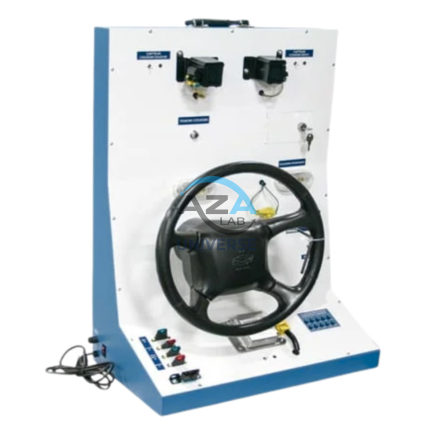
AIR BAG TRAINER AZA1246
The AZA1246 AZALAB Air Bag Trainer is a comprehensive educational training platform designed to demonstrate the structure, operation, diagnostics, and fault analysis of modern automotive airbag systems, also known as Supplemental Restraint Systems (SRS). Built using OEM automotive components, this trainer delivers a realistic learning experience while maintaining complete operational safety.
This system is ideally suited for automotive engineering colleges, ITIs, polytechnic institutes, vocational training centers, and service technician programs, enabling both theoretical instruction and hands-on diagnostics practice.
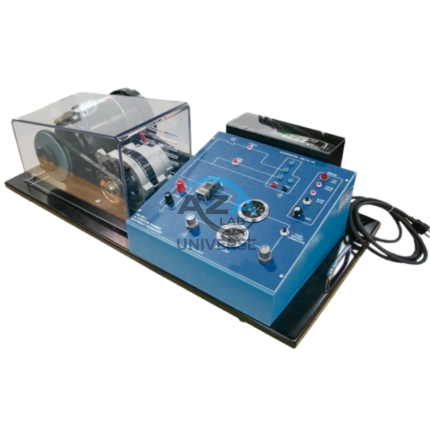
ALTERNATOR TRAINER AZA1247
The AZA1247 AZALAB Alternator Trainer is a hands-on automotive electrical training system designed to demonstrate the working principles, construction, and diagnostics of an automotive alternator with external voltage regulation. Built using OEM automotive components, this trainer provides a realistic and safe learning platform for students, technicians, and trainees to understand vehicle charging systems in depth.
This system is ideal for automotive engineering institutes, ITIs, polytechnics, vocational training centers, and service technician programs, supporting both theoretical instruction and practical experimentation.
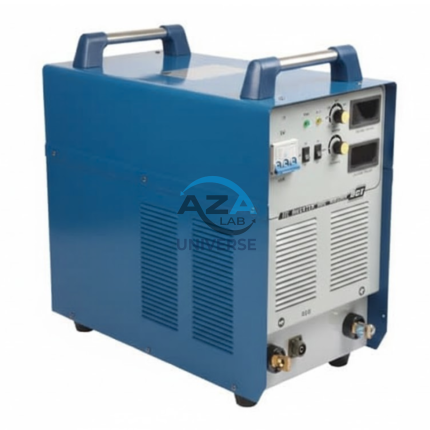
ARC WELDING MACHINE AZA1234
The AZA1234 Arc Welding Machine by A Z A Lab is a high-performance industrial welding solution engineered for demanding fabrication, maintenance, and structural welding applications. Designed using advanced inverter technology, this machine delivers superior arc stability, high efficiency, and reliable welding performance across a wide range of electrode types and materials.
With an inverter frequency of up to 20 kHz, the AZA1234 ensures fast dynamic response, reduced spatter, and excellent weld bead appearance. Its robust electrical design supports a high duty cycle, allowing continuous operation under heavy loads while maintaining consistent welding output—even with output cable lengths of up to 100 meters.
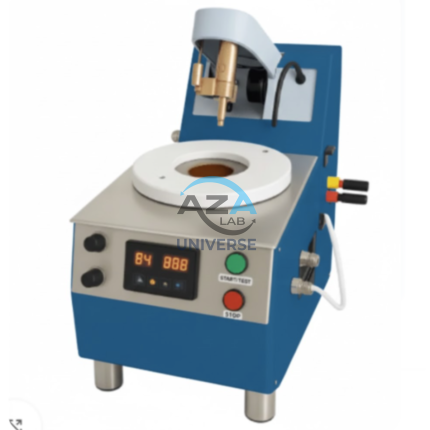
AUOTFLASH AUTOMATED ABEL FLASH POINT ANALYZER AZA1277
The AutoFlash-1277 (Model: AZA1277) from AZA Lab is a fully automated, microcontroller-based Abel Flash Point Analyzer designed for accurate, safe, and repeatable determination of flash points of combustible liquids. Engineered to meet stringent international testing requirements, this advanced instrument conforms to IP 170, ISO 13736, and IS 1448 (Part 20) standards.
Covering a standard temperature range of –30°C to 70°C, extendable up to 110°C, the AZA1277 is ideally suited for laboratories involved in petroleum testing, petrochemical quality control, fuels research, and regulatory compliance.
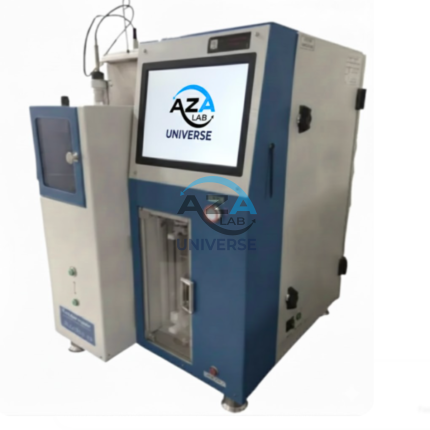
AUTODIST-86 GLASS DISTILLATION UNITAZA1282
The AutoDist-86 Glass Distillation Unit (Model AZA1282) is a high-performance laboratory water distiller designed for the continuous production of high-purity distilled water.
Constructed entirely from borosilicate glass 3.3, the unit ensures zero metallic contamination, excellent thermal resistance, and long operational life. It is ideal for laboratories requiring consistent, low-conductivity distilled water for analytical, pharmaceutical, and research applications.Distillation Performance
- Distillate Output: Up to 4 L/hour (±10%)
- Suitable for routine and medium-scale laboratory demand
- Efficient removal of:
- Dissolved salts
- Heavy metals
- Organic/inorganic impurities
- Microbial contaminants
Related products
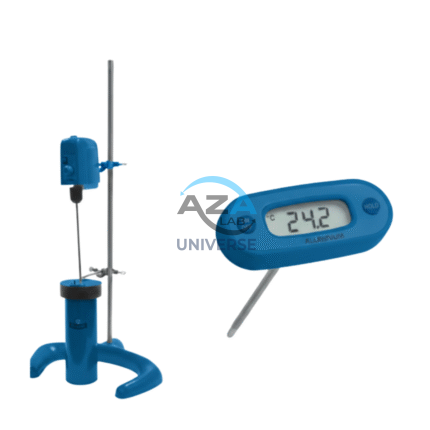
APPARATUS FOR REACTIVITY OF QUICKLIME AZA0809
The AZA0809 Quicklime Reactivity Apparatus is a precision laboratory instrument engineered to measure the thermal reactivity of quicklime (CaO) when it reacts with water—a process known as slaking. This exothermic reaction produces heat, and by recording the temperature rise over time, the apparatus helps determine the quality, fineness, and reactivity rate of quicklime.
Widely used in lime processing plants, cement industries, construction materials testing labs, and research institutions, this apparatus ensures accurate evaluation of quicklime performance for applications in soil stabilization, water treatment, chemical manufacturing, and cement additives.
The apparatus fully complies with IS 1514:1990 – Methods of Sampling and Test for Quicklime and Hydrated Lime and ASTM C110 – Standard Test Methods for Physical Testing of Quicklime, Hydrated Lime, and Limestone.

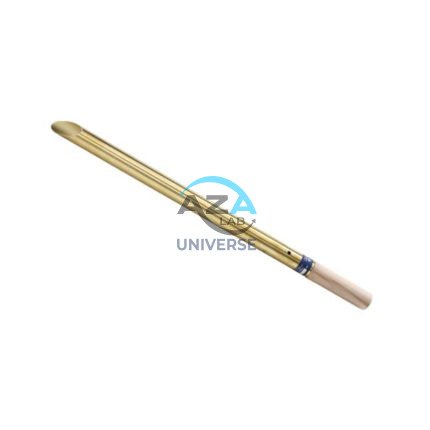
JOLTING APPARATUS AZA0802
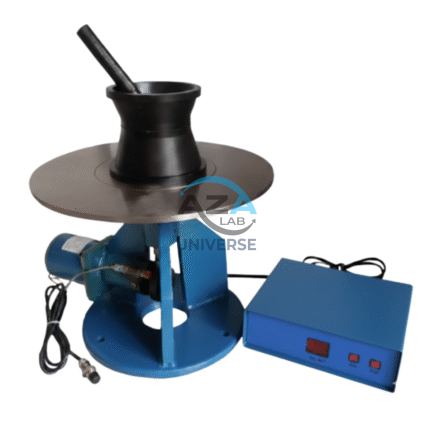
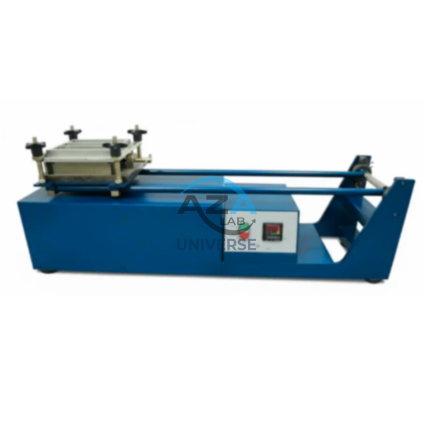
The AZA0802 Jolting Apparatus is a precision-engineered laboratory instrument designed for uniform compaction of cement mortar specimens, ensuring reproducibility and accuracy in strength testing. It plays a vital role in preparing mortar prisms for compressive and flexural strength tests, eliminating air voids and ensuring homogeneous density throughout each specimen.
Manufactured in accordance with IS 10080:1982, and suitable for use under EN 196-1 and ASTM C348 testing standards, the AZA0802 is essential for any laboratory involved in cement quality evaluation, research, or certification.
Whether used in construction QC labs, cement manufacturing units, academic institutions, or R&D centers, the AZA0802 offers dependable, consistent, and safe compaction performance for standardized mortar testing.
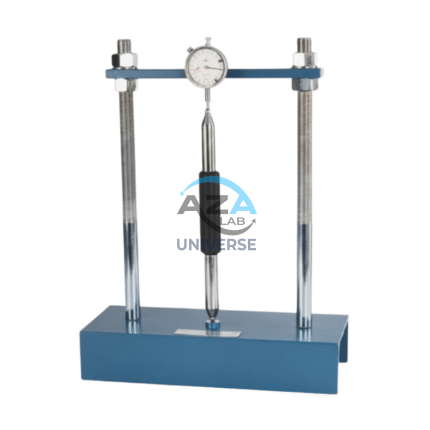
VOLUME CHANGE APPARATUS AZA0796
- Precision apparatus for measuring soil volume change
- Ideal for CD and CU triaxial testing
- Manual and digital versions available
- Durable lab-grade stainless steel build
- Fully compliant with IS and ASTM standards
- Provided with all necessary accessories
- Backed by Azalab’s quality assurance and support