 Rock
Rock Aggregate
 Cement
 Concrete
 Soil
Soil Steel
Steel Bitumen/Asphalt
 Security Survey Equipment
 General Items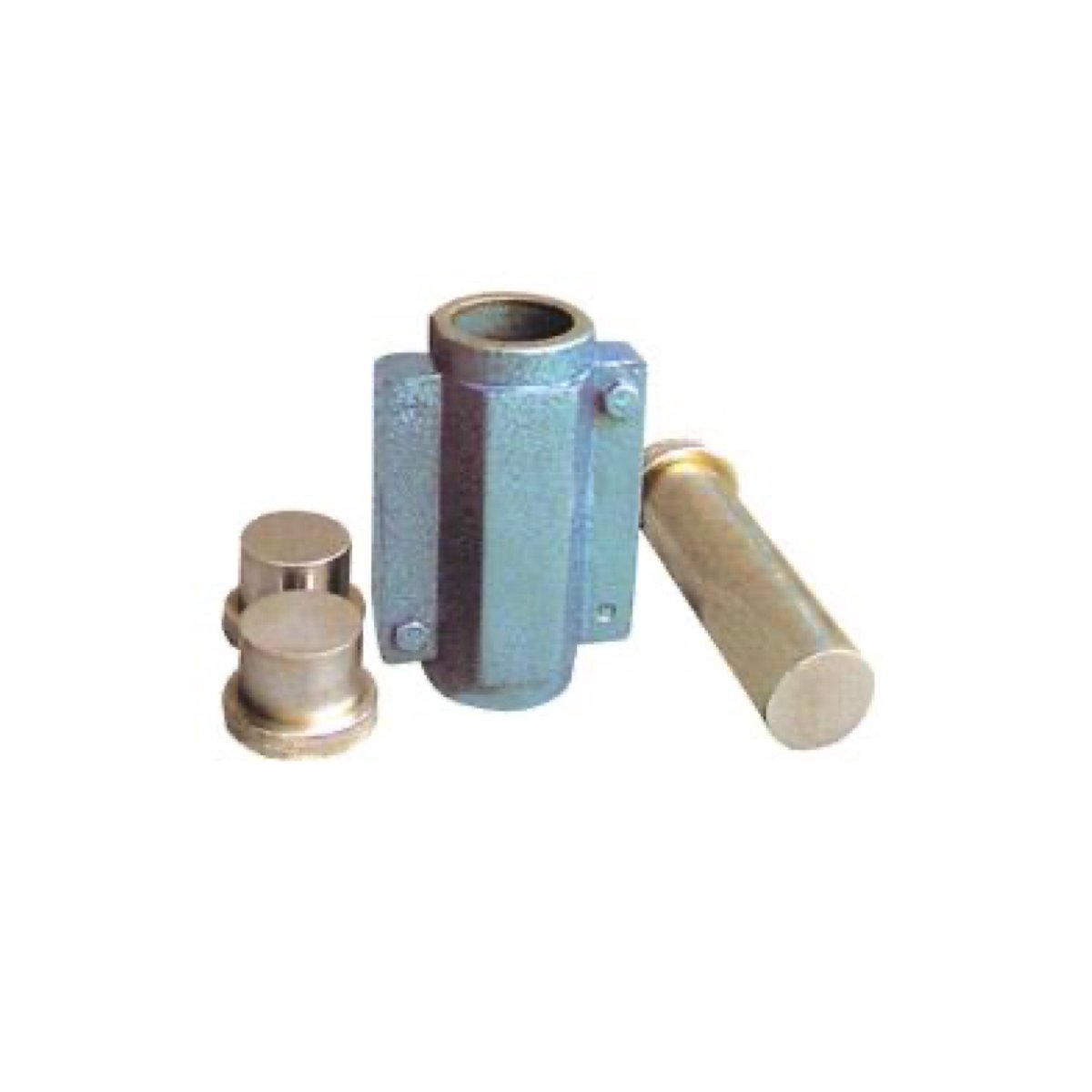
CONSTANT VOLUME MOULD AZA0894
The AZA0894 Constant Volume Mould is designed for the preparation of remoulded soil specimens used in triaxial compression and unconfined compression tests. In geotechnical and civil engineering laboratories, maintaining a constant specimen volume during compaction is essential for achieving accurate, repeatable, and comparable test results. The AZA0894 ensures precise specimen geometry while supporting both dynamic and static compaction methods.
Manufactured with precision-machined components, this mould system enables quick specimen preparation with minimal deformation. It is widely used in geotechnical testing laboratories, academic institutions, construction quality control, and research facilities
Description
Key Features
-
Designed for preparation of remoulded soil specimens
-
Maintains constant internal volume during compaction
-
Suitable for both dynamic and static compaction techniques
-
Precision-machined components for repeatability and accuracy
-
Quick ejection system for safe and easy specimen removal
-
Interchangeable components for flexibility across specimen sizes
-
Robust, corrosion-resistant construction for long-term lab use
Applications
-
Triaxial shear testing specimen preparation
-
Unconfined compression testing
-
Soil strength and deformation studies
-
Academic and research-based soil mechanics testing
-
Construction and geotechnical quality control
Available Models
AZA0894A
Designed for 38 mm × 76 mm specimens
-
Split mould: 38 mm diameter × 126 mm length
-
End plugs (pair): 38 mm diameter × 25 mm length
-
Ejecting plunger: 38 mm diameter × 126 mm length
-
Split collar: Interchangeable
AZA0894B
Designed for 50 mm × 100 mm specimens
-
Split mould: 50 mm diameter × 178 mm length
-
End plugs (pair): 50 mm diameter × 39 mm length
-
Ejecting plunger: Not included
Optional Accessories
-
Split mould: 38 mm diameter × 76 mm length
-
Split mould: 38 mm diameter × 86 mm length
-
Additional collars and end plugs for custom configurations
All components are manufactured from high-grade steel or aluminum, offering excellent resistance to corrosion, wear, and repeated laboratory use.
Why Choose Azalab’s AZA0894 Constant Volume Mould
-
Precision Engineering: Ensures uniform specimen preparation and consistent results
-
Interchangeable Design: Flexible configuration for different specimen dimensions
-
Efficient Operation: Reduces preparation time while maintaining accuracy
-
Durable Construction: Built for rigorous, long-term laboratory use
-
Wide Compatibility: Works seamlessly with standard compaction and testing equipment
Technical Specifications
| Model | Specimen Size | Split Mould Dimensions | End Plug Dimensions | Ejecting Plunger |
|---|---|---|---|---|
| AZA0894A | 38 mm dia × 76 mm long | 38 mm dia × 126 mm long | 38 mm dia × 25 mm (pair) | 38 mm dia × 126 mm long |
| AZA0894B | 50 mm dia × 100 mm long | 50 mm dia × 178 mm long | 50 mm dia × 39 mm (pair) | Not included |
| Accessories | Various sizes | 38 mm dia × 76 / 86 mm | — | — |
Frequently Asked Questions (FAQ)
Q1: What is the AZA0894 Constant Volume Mould used for?
It is used to prepare remoulded soil specimens for triaxial and unconfined compression tests while maintaining constant specimen volume.
Q2: What specimen sizes are available?
Standard models support 38 mm × 76 mm and 50 mm × 100 mm specimens. Optional accessories are available for additional sizes.
Q3: Can this mould be used for dynamic compaction?
Yes. The AZA0894 is suitable for both dynamic and static compaction methods.
Q4: Are all components included with the mould?
Each model includes the split mould and end plugs. The ejecting plunger is included with AZA0894A and optional for other configurations.
Q5: Is the mould compatible with standard lab equipment?
Yes. It is designed to be compatible with standard geotechnical compaction and testing systems.
AZA0894 – Reliable, Precise, and Efficient Soil Specimen Preparation
A trusted Azalab solution for professional geotechnical, academic, and quality testing laboratories.
Related products
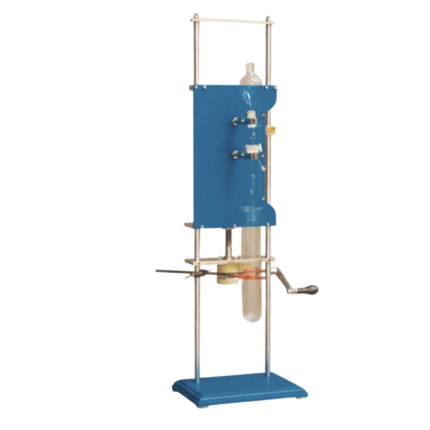
GRAIN SIZE ANALYSIS (PIPETTE METHOD) AZA0856
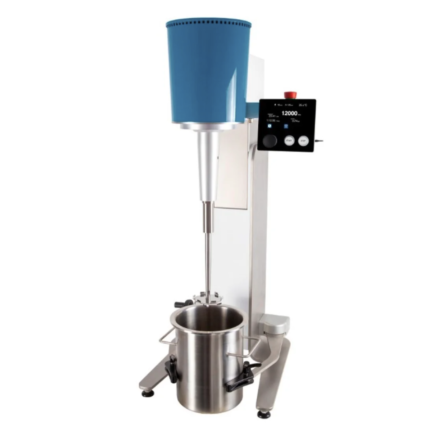
HIGH SPEED STIRRER AZA0855
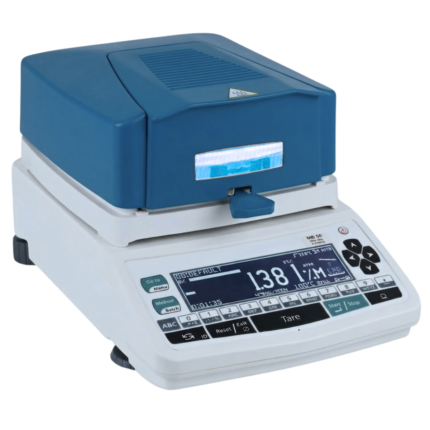
INFRARED MOISTURE METER AZA0875
The AZA0875 Infrared Moisture Meter from Azalab is a high-precision analytical instrument designed for fast, accurate moisture content determination across a wide range of materials. Utilizing advanced infrared (halogen) heating technology, the AZA0875 significantly reduces analysis time compared to conventional oven-drying methods, delivering reliable results within minutes.
This instrument is ideally suited for geotechnical laboratories, construction quality control, chemical and pharmaceutical industries, food processing, and material testing laboratories, where rapid and repeatable moisture data is essential for process control and compliance.
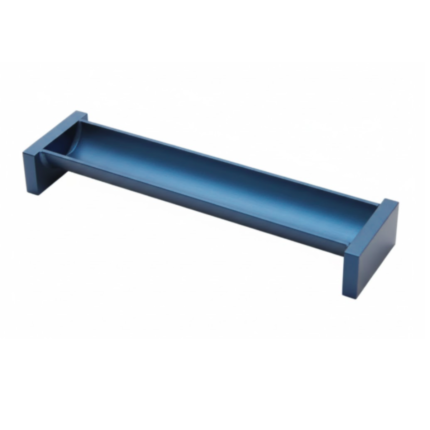
LINEAR SHRINKAGE MOULD AZA0850
The AZA0850 Precision Linear Shrinkage Mould from AZALAB is a compact and highly accurate laboratory instrument designed for determining the linear shrinkage of fine-grained cohesive soils in accordance with BS 1377-2. This test is a key component of soil classification and is especially important in identifying shrink–swell behavior of clays and expansive soils.
Linear shrinkage testing measures the reduction in length of a soil specimen upon drying, expressed as a percentage of its original length. The results provide valuable insight into soil expansiveness, volume stability, and suitability for foundations, pavements, and earthworks.
Manufactured from high-quality brass or stainless steel, the AZA0850 mould offers precise internal dimensions, excellent corrosion resistance, and a smooth polished finish for easy sample preparation and removal. Its robust construction ensures repeatable, reliable results even under high-frequency laboratory use.
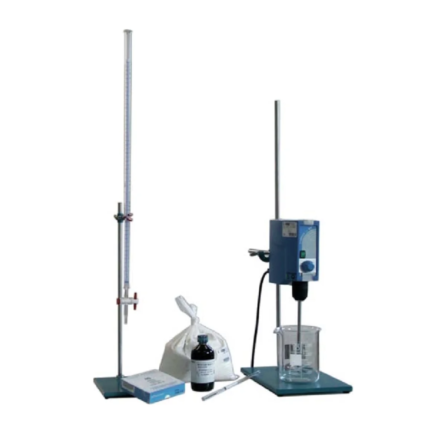
METHYLENE BLUE TEST SET AZA0860
- EN 933-9 – Tests for geometrical properties of aggregates (Methylene Blue Test)
- NF P94-068
- UNE 83 180
- UNI 8520-15
- ASTM C837 – Methylene Blue Index of Clay in Fine Aggregate
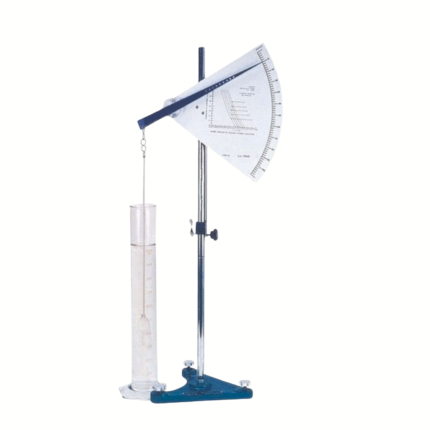
PLUMMET BALANCE AZA0862
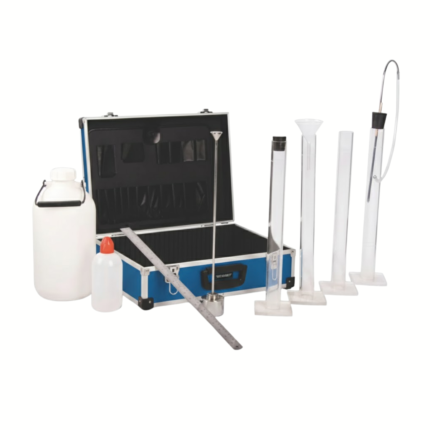
SAND EQUIVALENT TEST SET AZA0859