
 Rock
Rock Aggregate
 Cement
 Concrete
 Soil
Soil Steel
Steel Bitumen/Asphalt
 Security Survey Equipment
 General Items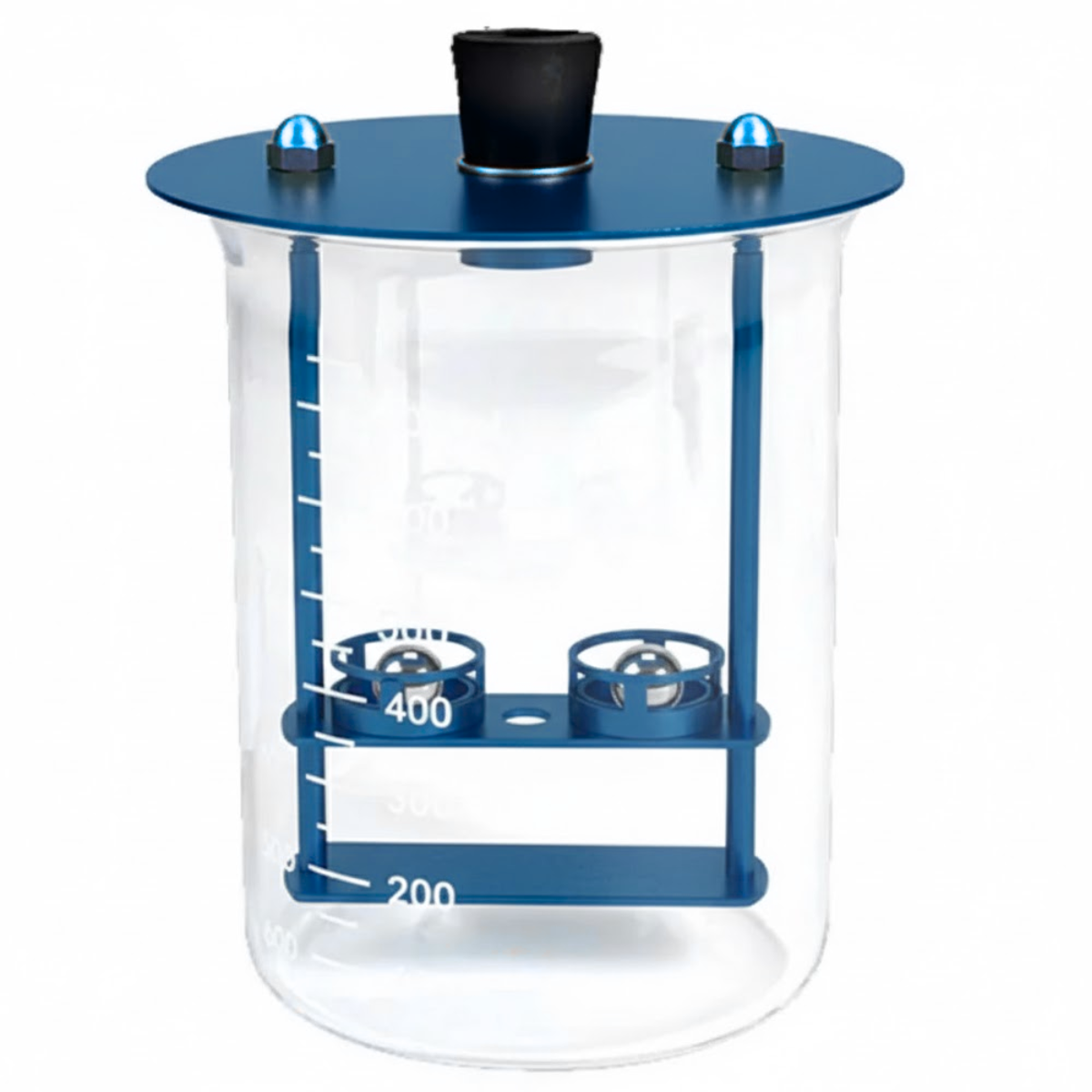
RING AND BALL APPARATUS AZA0932
The AZA0932 Ring & Ball Apparatus from Azalab is a fundamental laboratory instrument designed for the manual determination of the softening point of bitumen, road tars, and bituminous binders. The softening point test is a critical quality control parameter in civil engineering and road construction, particularly in regions with wide temperature variations.
The softening point represents the temperature at which a bituminous material changes from a semi-solid to a softened state under standardized conditions. The AZA0932 provides a robust, reliable, and cost-effective manual solution, fully compliant with Indian and international testing standards.
Description
Principle of Test – Ring & Ball Method
Bitumen does not have a sharp melting point; instead, it softens gradually with increasing temperature. The Ring and Ball method defines the softening point as the temperature at which a standard steel ball, placed on a bitumen specimen contained in a brass ring, causes the softened material to drop 25 mm under controlled heating conditions.
This test is essential for:
-
Bitumen grading and selection for different climatic conditions
-
Quality control of bituminous binders
-
Predicting pavement performance, especially resistance to rutting at high temperatures
Design & Manual Operation
The AZA0932 Ring & Ball Apparatus is designed for durability, stability, and ease of operation, making it a standard fixture in highway, academic, and materials testing laboratories.
Construction Features
-
Rigid steel bracket with sliding support plate for stable positioning
-
Precision-machined component layout ensuring correct alignment of rings, balls, and thermometer
-
Manual hand stirrer to maintain uniform bath temperature
-
Open design for clear visual observation of ball drop
-
Cost-effective manual system, ideal where automated systems are not required
Standard Components Supplied
-
Steel bracket with sliding plate support
-
Heat-resistant glass beaker (approx. 600 ml)
-
Brass rings – 2 Nos. (as per IS / ASTM dimensions)
-
Steel balls – 2 Nos. (9.5 mm diameter, 3.50 ± 0.05 g)
-
Ball guides
-
Manual hand stirrer
Note:
Standard thermometers and an external heat source (hot plate or burner) are required and supplied separately.
Standards Compliance
The AZA0932 is manufactured to conform to the following standards:
-
IS 1205:1985 – Determination of Softening Point of Bitumen
-
ASTM D36 – Softening Point of Bitumen (Ring and Ball Method)
-
EN 1427 – Bitumen and bituminous binders
-
IP 58 / IP 63 – Institute of Petroleum
-
AASHTO T53 – Softening Point of Bituminous Materials
Compliance with these standards ensures globally accepted and reproducible results, critical for highway and infrastructure projects.
Applications
-
Bitumen and asphalt quality control laboratories
-
Highway and pavement engineering
-
Research and academic institutions
-
Government and contractor QC departments
Technical Specifications
| Parameter | Specification |
|---|---|
| Model | AZA0932 |
| Operation | Manual |
| Test Method | Ring and Ball Softening Point |
| Application | Bitumen and bituminous binders |
| Temperature Range | Ambient to approx. 150°C |
| Heating Method | External heat source (not included) |
| Temperature Measurement | Manual thermometer (not included) |
| Observation | Manual visual |
| Beaker Capacity | Approx. 600 ml |
| Material | Steel frame with glassware |
| Standards | IS 1205, ASTM D36, EN 1427, IP 58/63, AASHTO T53 |
| Design | Compact benchtop |
| Country of Origin | India |
Why Choose AZA0932?
-
Proven manual softening point determination
-
Fully compliant with Indian and international standards
-
Durable steel construction for long service life
-
Ideal for hot climate bitumen selection
-
Cost-effective solution for routine laboratory testing
Frequently Asked Questions (FAQ)
Q1: What is the primary use of AZA0932?
To determine the softening point of bitumen and bituminous materials.
Q2: Is AZA0932 automatic?
No. It is a manual apparatus requiring external heating and manual observation.
Q3: Why is softening point important in India?
Higher softening point bitumen performs better in high temperatures, reducing rutting and deformation.
Q4: What liquid bath is used?
-
Water for softening points up to 80°C
-
Glycerin for softening points above 80°C
Q5: Are thermometers included?
No. Standard thermometers are required and supplied separately.
AZA0932 – Reliable Manual Softening Point Testing for Bitumen Quality Control
Additional information
| Model |
AZA 0932 |
|---|---|
| Operation |
Manual (requires external heating source and manual observation) |
| Test Method |
Ring and Ball Method |
| Material |
Durable metal construction with high-quality glassware. |
| Dimensions (Approx.) |
Compact benchtop design. |
| Ball Drop Observation: |
Manual visual observation. |
Related products
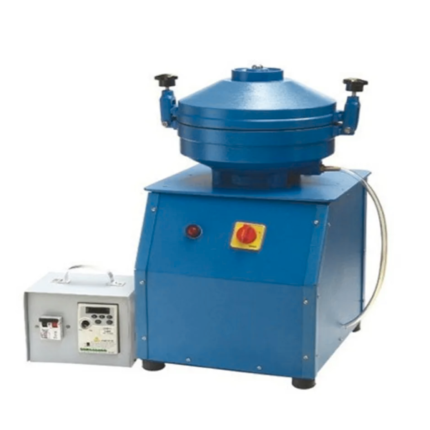
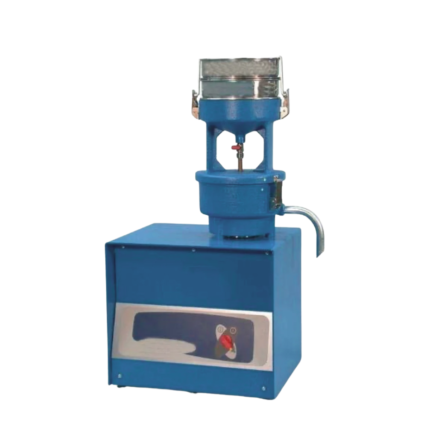
CENTRIFUGE EXTRACTOR (MOTORISED) AZA0946
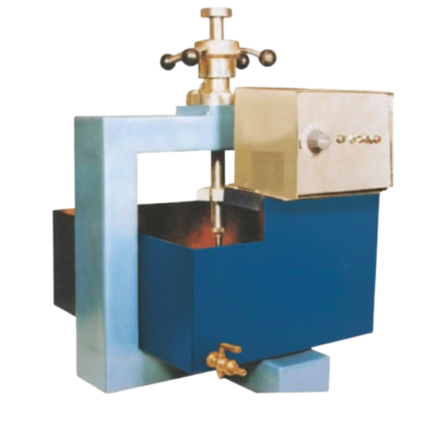
FILTERLESS CENTIFUGE EXTRACTOR AZA0947
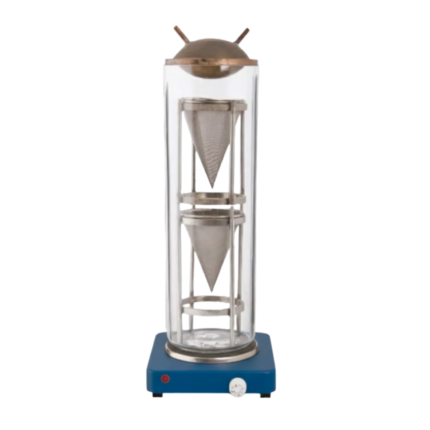
HARDNESS TESTER FOR MASTIC ASPHALT AZA0942
The AZA0942 Hardness Tester for Mastic Asphalt from Azalab is a precision-engineered instrument designed for the determination of penetration hardness of mastic asphalt. This essential testing device is widely used in civil engineering laboratories, road construction projects, and quality control departments to evaluate the consistency, stiffness, and workability of mastic asphalt mixtures.
Accurate hardness measurement ensures that mastic asphalt complies with project specifications and delivers long-term pavement durability, deformation resistance, and performance reliability.
REFLUX EXTRACTOR 4000 GMS AZA0941
The AZA0941 Reflux Extractor 4000 GMS from Azalab is a high-efficiency laboratory apparatus designed for the quantitative determination of bitumen content in asphalt paving mixtures using the reflux extraction method. Engineered for large sample capacities up to 4000 grams, the AZA0941 is an essential instrument for civil engineering laboratories, road construction quality control, and materials testing facilities.
By ensuring accurate separation of bitumen binder from aggregates, the AZA0941 helps verify compliance with asphalt mix design specifications, directly contributing to durable, high-performance pavement construction.
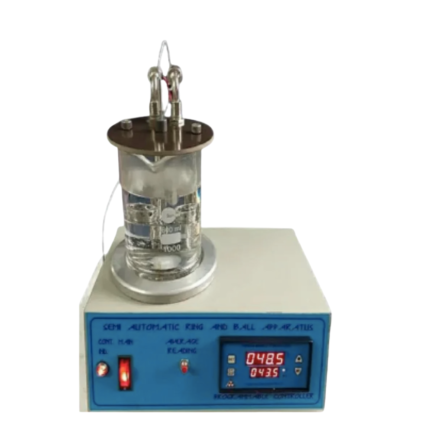
RING & BALL APPARATUS(SEMI AUTOMATIC) AZA0934
The AZA0934 Ring & Ball Apparatus (Semi-Automatic) from Azalab is an advanced laboratory instrument designed for the precise determination of the softening point of bitumen, asphalt binders, and related bituminous materials. This critical test evaluates the temperature susceptibility and high-temperature performance of asphalt binders, directly influencing pavement resistance to rutting and permanent deformation under hot service conditions.
By integrating the standard Ring & Ball method with semi-automatic control and detection features, the AZA0934 significantly improves accuracy, repeatability, and operational efficiency, making it ideal for modern quality control, research, and specification laboratories.
STANDARD PENETROMETER AZA0938
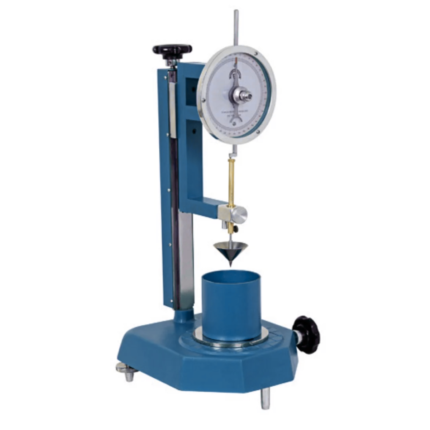
The AZA0938 Standard Penetrometer from Azalab is a robust, reliable, and manually operated laboratory instrument designed for the accurate determination of the consistency of bituminous materials, including bitumen, asphalt, waxes, and greases. It is an essential testing device widely used in civil engineering laboratories, highway authorities, asphalt plants, and quality control laboratories where consistent and repeatable penetration measurements are required.
The AZA0938 operates on the classical penetration testing principle and provides a cost-effective yet precise solution for grading and classifying bituminous binders in accordance with internationally recognized standards such as ASTM D5, EN 1426, AASHTO T49, IP 49, and IS 1203.
TRAVELLING BEAM DEVICE AZA0960
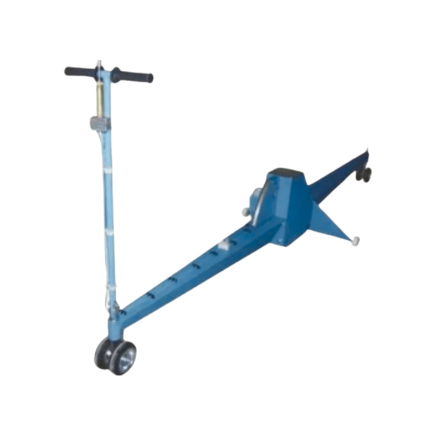
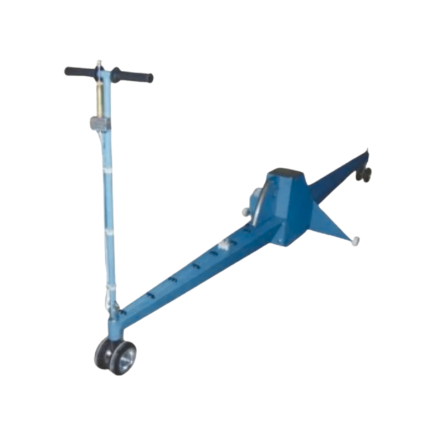
The AZA0960 Travelling Beam Device from AZALAB is a fundamental and widely accepted instrument for measuring longitudinal surface unevenness (roughness) of road pavements. It is extensively used by highway engineers, road contractors, consultants, and quality control laboratories across India for evaluating the riding quality and service condition of both newly constructed and existing roads.
Surface unevenness directly influences vehicle operating costs, passenger comfort, road safety, drainage performance, and pavement service life. The AZA0960 provides a reliable and cost-effective method for quantifying pavement roughness, enabling engineers to ensure compliance with specifications laid down by the Ministry of Road Transport & Highways (MoRTH) and the Indian Roads Congress (IRC).
WATER IN BITUMINOUS MATERIAL (DEAN-STARK) AZA0936
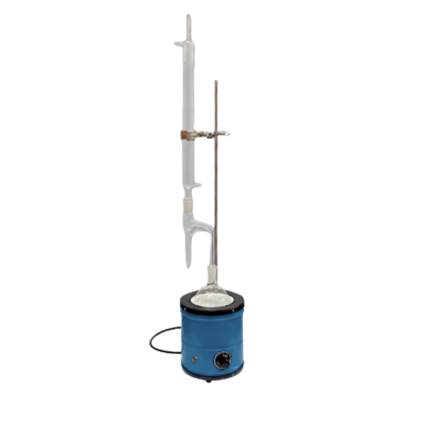
The AZA0936 Water in Bituminous Material (Dean–Stark) Apparatus from Azalab is a precision laboratory system designed for the accurate determination of water content in bituminous materials, including asphalt, road oils, cut-back asphalts, and related petroleum-based binders.
Water contamination in bitumen can significantly degrade material performance by causing poor adhesion to aggregates, stripping, foaming during mixing, and reduced pavement durability. Using the internationally accepted Dean–Stark azeotropic distillation method, the AZA0936 provides reliable, repeatable, and standard-compliant moisture determination, making it essential for quality control in road construction, civil engineering laboratories, and bitumen production facilities.