
 Rock
Rock Aggregate
 Cement
 Concrete
 Soil
Soil Steel
Steel Bitumen/Asphalt
 Security Survey Equipment
 General Items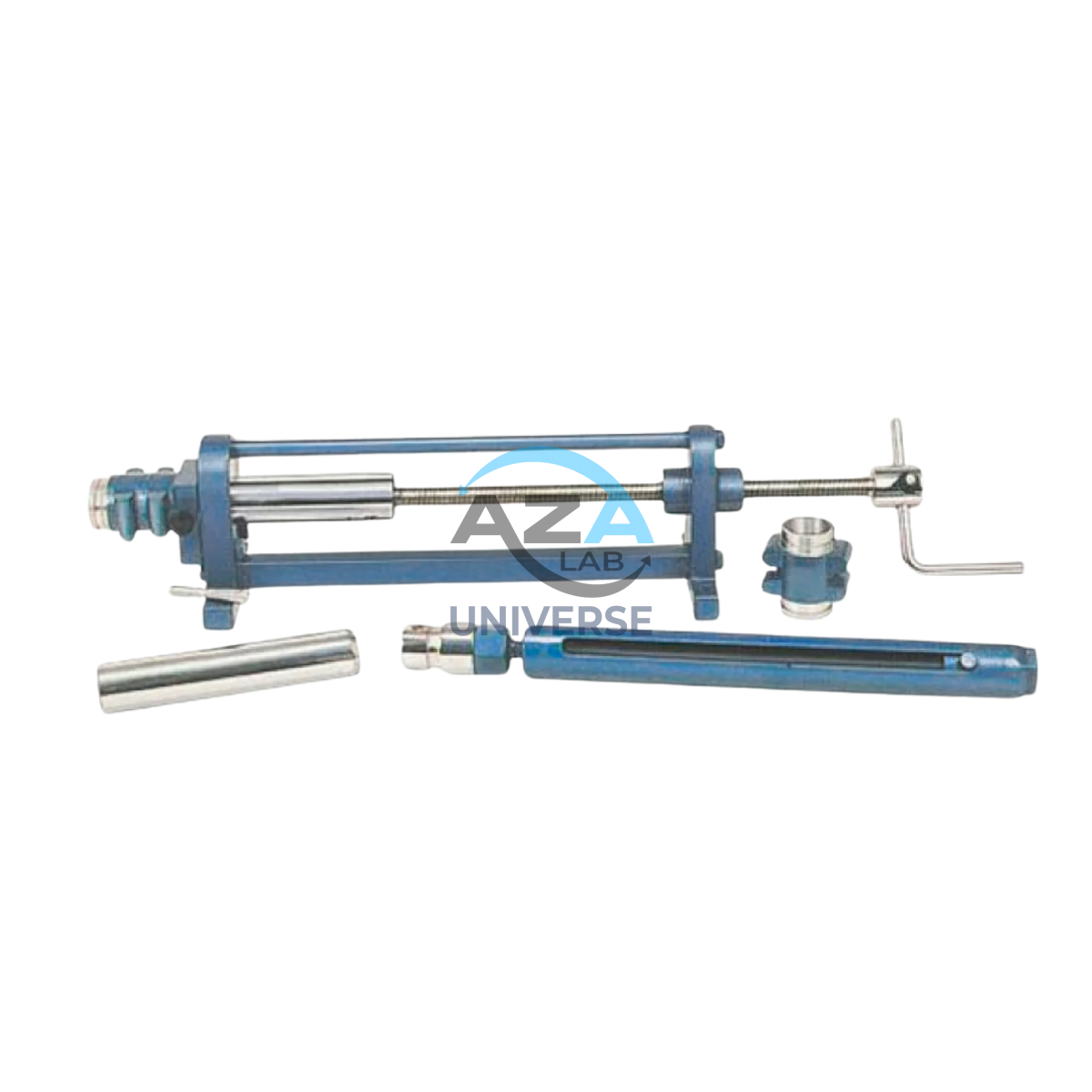
EXTRACTOR FRAME UNIVERSAL (SCREW TYPE) AZA0892
The AZA0892 Universal Extractor Frame (Screw Type) from Azalab is a robust and reliable apparatus designed for the safe, controlled extraction of soil samples from laboratory molds and field compaction cylinders. It is an essential tool for geotechnical laboratories and civil engineering testing facilities where preservation of sample integrity is critical to accurate test results.
Engineered with a manual screw-type loading mechanism, the AZA0892 applies a smooth, progressive extraction force, allowing soil specimens to be removed without cracking, crumbling, or altering their compaction characteristics. This controlled action is particularly important for samples prepared for Proctor, Modified Proctor, and CBR testing, where specimen disturbance can significantly affect density and strength measurements.
Description
Key Advantages
Screw Type Controlled Extraction
The precision screw mechanism enables gradual force application, ensuring gentle and uniform sample removal while minimizing disturbance.
Universal Mold Compatibility
Designed to accommodate a wide range of standard laboratory and field molds, reducing the need for multiple dedicated extractors.
Preserves Sample Integrity
Maintains the original density, structure, and moisture condition of the specimen, improving the reliability of subsequent testing.
Heavy-Duty Construction
Manufactured from robust, laboratory-grade steel to withstand continuous professional use.
Efficient Laboratory Workflow
Simple manual operation streamlines sample preparation, especially in high-volume testing environments.
Compatible Molds and Applications
-
Standard Proctor molds (typically 100 mm / 4 in)
-
Modified Proctor molds (typically 150 mm / 6 in)
-
CBR molds
-
Field density compaction cylinders and cones
Used extensively in:
-
Compaction and density determination
-
CBR testing
-
Strength and deformation studies
-
Quality control of earthworks and pavement layers
Construction and Design
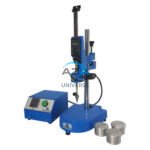
The AZA0892 consists of a stable steel base, a vertical screw with hand wheel, and interchangeable top platens/adaptors to suit different mold sizes. The mold is securely positioned within the frame, and rotation of the hand wheel steadily pushes the soil specimen out of the mold with full operator control.
Technical Specifications
| Feature | Description |
|---|---|
| Model | AZA0892 |
| Type | Universal Extractor Frame |
| Operation | Manual screw type with hand wheel |
| Compatibility | Proctor, Modified Proctor, CBR molds, field density cylinders |
| Maximum Mold Diameter | Up to approx. 150 mm (6 in) |
| Sample Height | Adjustable to suit various mold heights |
| Construction | Heavy-duty steel frame and screw |
| Base Plate | Stable, reinforced base for secure mold placement |
| Finish | Corrosion-resistant laboratory coating |
| Mounting | Benchtop or floor standing (depending on configuration) |
Frequently Asked Questions (FAQ)
Q1: What is the primary function of AZA0892?
It is used to extract compacted or undisturbed soil samples from molds in a controlled and damage-free manner.
Q2: Why is a screw-type mechanism used?
The screw mechanism allows slow, uniform force application, which minimizes disturbance and preserves sample structure.
Q3: What molds can it accommodate?
It is compatible with most standard Proctor, Modified Proctor, CBR molds, and field density compaction cylinders.
Q4: Is it suitable for routine laboratory use?
Yes. The heavy-duty steel construction is designed for continuous professional operation.
Q5: What maintenance is required?
Routine cleaning and periodic lubrication of the screw mechanism, along with inspection for wear, ensure long service life.
AZA0892 – Reliable Extraction for Accurate Geotechnical Testing
A dependable Azalab solution that ensures precision, durability, and consistency in soil sample preparation.
Additional information
| Model Number |
AZA 0892 |
|---|---|
| Type |
Universal Extractor Frame |
| Operation |
Screw Type (manual operation via hand wheel) |
| Construction |
Heavy-duty steel frame, robust screw mechanism. |
| Base Plate |
Stable base with provision for placing molds. |
| Weight |
Substantial, for stability during extraction. |
Related products
GRAIN SIZE ANALYSIS (PIPETTE METHOD) AZA0856
HEAVY COMPACTION TEST AZA0865
-
- Specify target field compaction densities
- Control moisture during earthwork
- Ensure long-term stability and load-bearing performance
HEAVY COMPACTION TEST AZA0866
INFRARED MOISTURE METER AZA0875
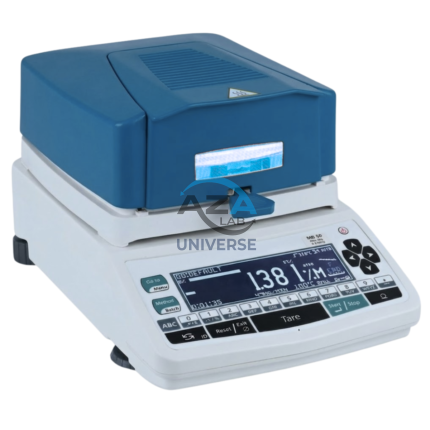
The AZA0875 Infrared Moisture Meter from Azalab is a high-precision analytical instrument designed for fast, accurate moisture content determination across a wide range of materials. Utilizing advanced infrared (halogen) heating technology, the AZA0875 significantly reduces analysis time compared to conventional oven-drying methods, delivering reliable results within minutes.
This instrument is ideally suited for geotechnical laboratories, construction quality control, chemical and pharmaceutical industries, food processing, and material testing laboratories, where rapid and repeatable moisture data is essential for process control and compliance.
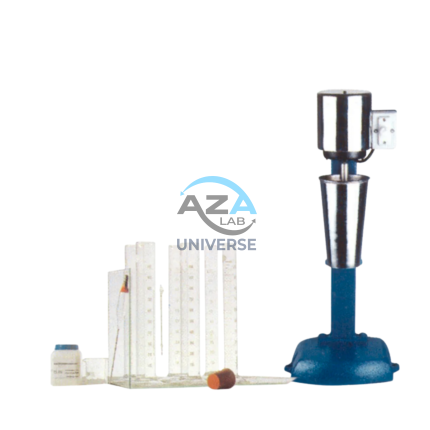
PARTICLE SIZE SEDIMENTATION (HYDROMETER METHOD) AZA0857
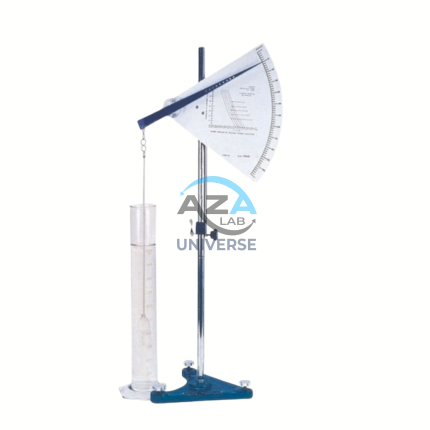
PLUMMET BALANCE AZA0862
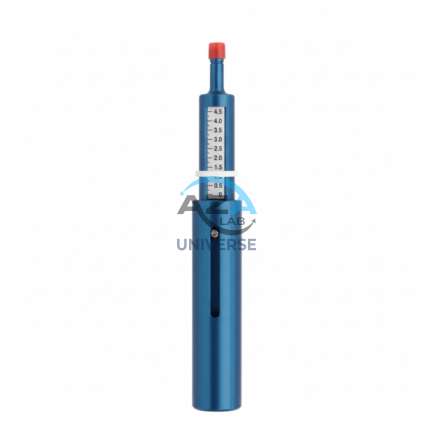
POCKET PENTROMETER AZA0869
- Estimation of UCS and shear strength of soft to stiff cohesive soils
- Field classification of soil consistency
- Pre-construction soil stability checks
- Trench safety and shallow foundation planning
- Geotechnical education and field research
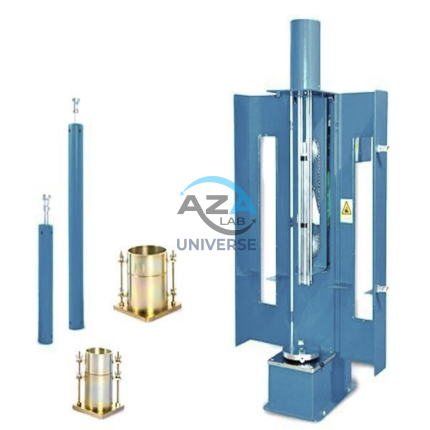
STANDARD COMPACTION TEST AZA0864
The AZA0864 Standard Compaction Test Apparatus from Azalab is precision-engineered to perform the British Standard Proctor (Light Compaction) Test, as specified in BS 1377-4 and BS 1924-2. This apparatus is used to determine the Maximum Dry Density (MDD) and Optimum Moisture Content (OMC) of soils subjected to light compactive effort.
The test simulates field compaction achieved by light rollers and rammers and is essential for quality control of subgrades, embankments, road bases, and foundation soils. The AZA0864 is widely used in geotechnical laboratories, site investigation works, and academic institutions following British Standards.