
 Rock
Rock Aggregate
 Cement
 Concrete
 Soil
Soil Steel
Steel Bitumen/Asphalt
 Security Survey Equipment
 General Items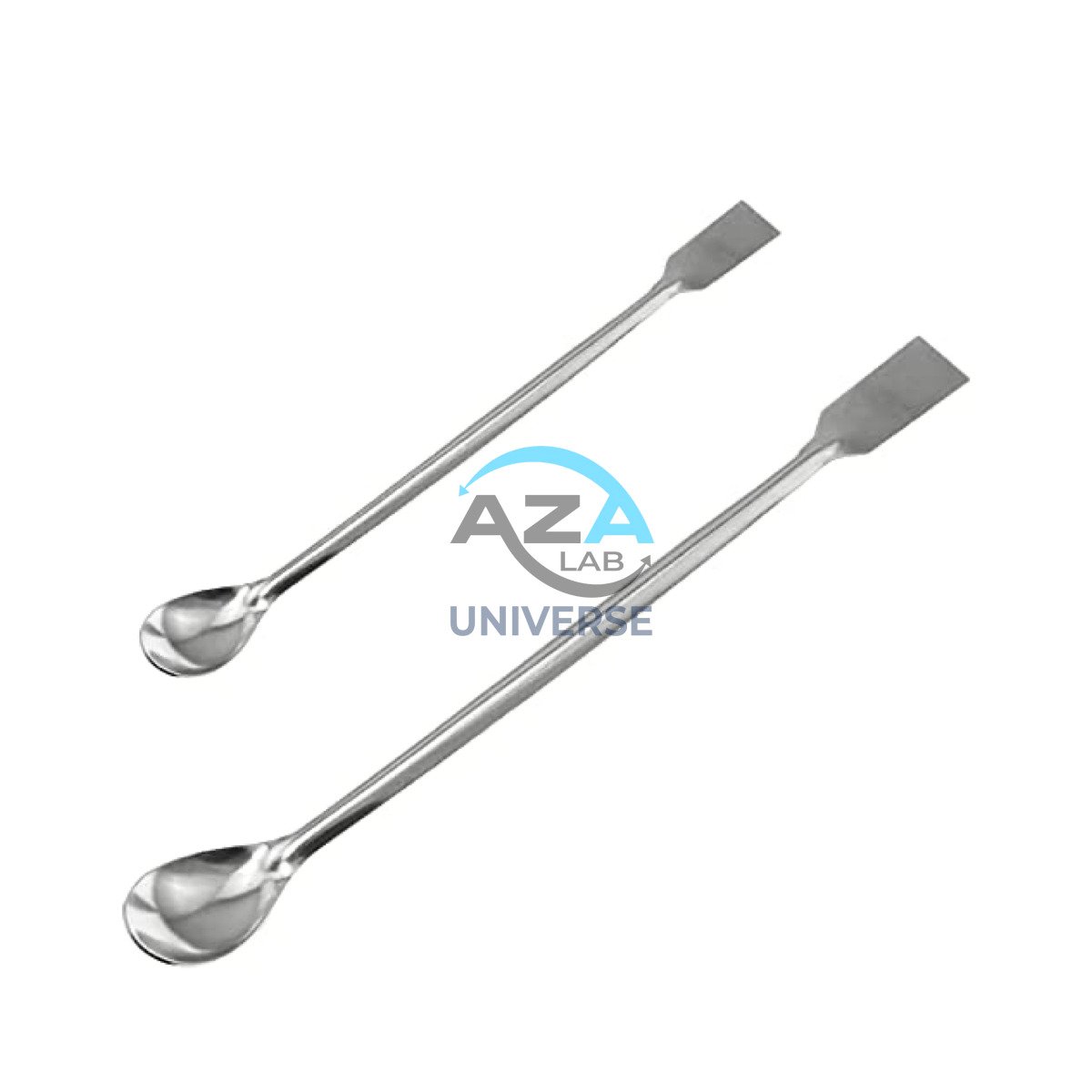
SPATULAS AZA1084
Laboratory spatulas are indispensable hand tools used for precise transferring, mixing, scraping, and handling of solid and semi-solid materials in scientific environments. AZA1084 by AZALAB is designed to meet the demanding requirements of research, analytical, pharmaceutical, food testing, and educational laboratories, where accuracy, cleanliness, and material compatibility are critical.
AZA1084 spatulas are manufactured in stainless steel, polypropylene (PP), and PTFE, allowing laboratories to select the most suitable material based on chemical compatibility, sterilization needs, and workflow preferences. Each variant is engineered for durability, ease of handling, and contamination-free sample transfer.
Description
AZA1084 spatulas support a wide range of laboratory operations, from routine sample transfer to precise analytical preparation. Their smooth surface finish minimizes residue retention, ensuring accurate material handling and easy cleaning between uses.
The product range includes multiple end designs—flat, spoon-shaped, double-ended, and micro-tip—making AZA1084 suitable for powders, granules, viscous pastes, gels, and fine samples in confined containers such as vials or test tubes.
Material Options and Benefits
Stainless Steel Spatulas
- High mechanical strength and long service life
- Excellent resistance to corrosion and aggressive chemicals
- Fully autoclavable for repeated sterilization
- Suitable for high-temperature and pharmaceutical applications
- Compliant with ASTM A240 material standards
Polypropylene (PP) Spatulas
- Lightweight and cost-effective
- Chemically inert and non-reactive
- Resistant to acids, alkalis, and many organic solvents
- Autoclavable or disposable for contamination-sensitive workflows
- Ideal for routine lab work and educational use
PTFE Spatulas
- Exceptional chemical resistance
- Non-stick surface minimizes sample loss
- Ideal for highly reactive or sticky materials
Design Features
- Smooth, polished surfaces to prevent sample adhesion
- Ergonomic profiles for controlled handling
- Multiple end configurations for task flexibility
- Available in lengths suitable for small vials to large containers
- Easy cleaning to reduce cross-contamination risk
Typical Applications
AZA1084 Laboratory Spatulas are widely used for:
- Transferring powdered reagents
- Mixing small quantities of chemicals
- Scraping residues from beakers, flasks, and slides
- Sampling solids for weighing or analysis
- Handling hygroscopic powders and viscous gels
Industry Usage
These spatulas are commonly employed in:
- Chemical and petrochemical laboratories
- Pharmaceutical R&D and quality control
- Food and beverage testing facilities
- Environmental monitoring laboratories
- Academic research and teaching institutions
Technical Specifications
| Parameter | Details |
|---|---|
| Model | AZA1084 |
| Material Options | Stainless Steel, Polypropylene (PP), PTFE |
| Length Range | 120 mm – 250 mm |
| End Types | Flat, Spoon, Double-ended, Micro-tip |
| Sterilization Compatibility | Autoclavable (SS, PP); Disposable (PP) |
| Chemical Resistance | High (all materials) |
| Surface Finish | Polished / Smooth |
| Standards Compliance | ISO 8655, ASTM A240 (SS) |
| Application Areas | Chemical, Pharma, Food, Environmental |
Frequently Asked Questions (FAQ)
Q1: What is a laboratory spatula used for?
Laboratory spatulas are used for transferring, mixing, scraping, and sampling solids, powders, and semi-solid materials in scientific environments.
Q2: Can these spatulas be sterilized?
Yes. Stainless steel and polypropylene variants are autoclavable. Polypropylene options can also be supplied for disposable use.
Q3: What sizes are available?
AZA1084 spatulas are available in lengths from 120 mm to 250 mm to suit different container depths and applications.
Q4: What is the advantage of double-ended spatulas?
Double-ended spatulas provide two functional ends (e.g., flat and spoon), enabling multiple tasks without changing tools.
Q5: Are these spatulas suitable for food and pharmaceutical laboratories?
Yes. All materials used are chemically inert, food-safe, and suitable for pharmaceutical and biological sample handling.
Product Highlights
- Precision laboratory spatulas for sampling and mixing
- Available in stainless steel, polypropylene, and PTFE
- Chemically resistant and autoclavable options
- Multiple end styles for versatile laboratory use
- Suitable for chemical, pharmaceutical, food, and academic labs
Model: AZA1084
Additional information
| Material Options |
Stainless Steel, Polypropylene, PTFE |
|---|---|
| Length Range |
120 mm – 250 mm |
| End Type |
Flat, Spoon, Double-ended, Micro |
| Sterilization Compatibility |
Autoclavable (SS, PP), Disposable (PP) |
You may also like…
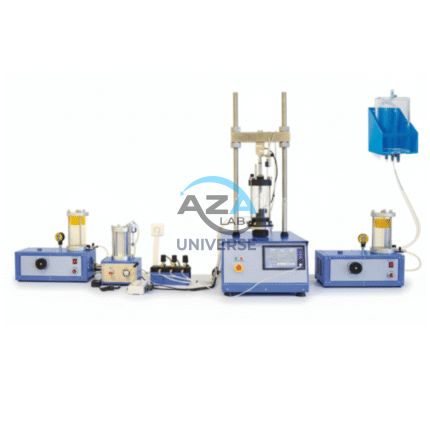
ADVANCED TRIAXIAL TEST SYSTEM (UU–CU–CD CAPABLE) AZA1296
The AZA LAB Advanced Triaxial Test System AZA1296 is a fully automated geotechnical laboratory testing system designed for accurate determination of soil shear strength and deformation characteristics under controlled stress and drainage conditions.
The system supports all major triaxial compression testing modes including:
- Unconsolidated Undrained (UU)
- Consolidated Undrained (CU)
- Consolidated Drained (CD)
Engineered for high-precision geotechnical analysis, the AZA1296 replicates in-situ soil stress conditions to evaluate soil stability, strength behavior, pore pressure response, and failure mechanisms under axial loading.
The system integrates servo-controlled loading, automatic pressure regulation, real-time pore pressure monitoring, automated data acquisition, and advanced software analysis, making it ideal for geotechnical laboratories, civil engineering projects, infrastructure development, research institutions, and academic applications.
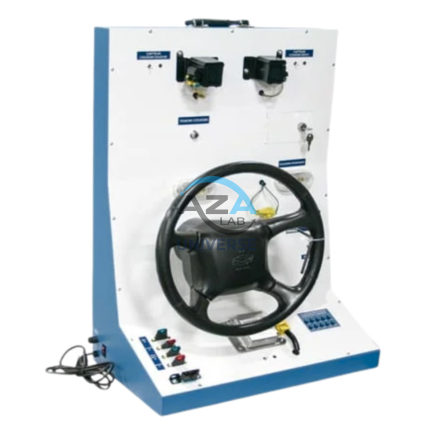
AIR BAG TRAINER AZA1246
The AZA1246 AZALAB Air Bag Trainer is a comprehensive educational training platform designed to demonstrate the structure, operation, diagnostics, and fault analysis of modern automotive airbag systems, also known as Supplemental Restraint Systems (SRS). Built using OEM automotive components, this trainer delivers a realistic learning experience while maintaining complete operational safety.
This system is ideally suited for automotive engineering colleges, ITIs, polytechnic institutes, vocational training centers, and service technician programs, enabling both theoretical instruction and hands-on diagnostics practice.
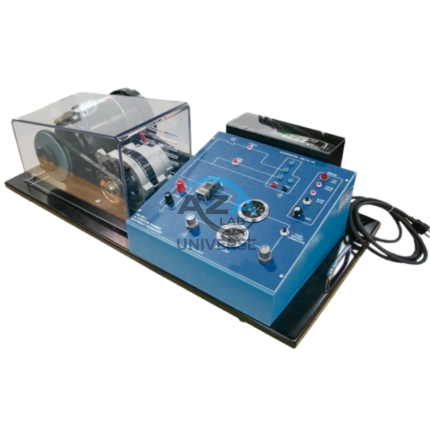
ALTERNATOR TRAINER AZA1247
The AZA1247 AZALAB Alternator Trainer is a hands-on automotive electrical training system designed to demonstrate the working principles, construction, and diagnostics of an automotive alternator with external voltage regulation. Built using OEM automotive components, this trainer provides a realistic and safe learning platform for students, technicians, and trainees to understand vehicle charging systems in depth.
This system is ideal for automotive engineering institutes, ITIs, polytechnics, vocational training centers, and service technician programs, supporting both theoretical instruction and practical experimentation.
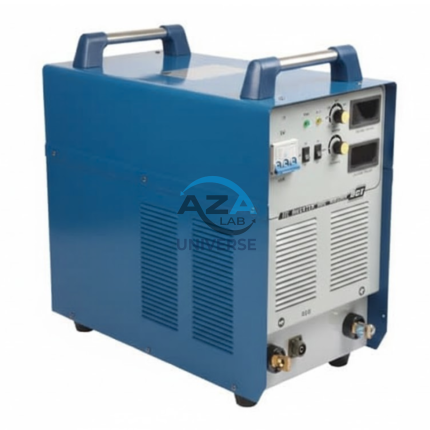
ARC WELDING MACHINE AZA1234
The AZA1234 Arc Welding Machine by A Z A Lab is a high-performance industrial welding solution engineered for demanding fabrication, maintenance, and structural welding applications. Designed using advanced inverter technology, this machine delivers superior arc stability, high efficiency, and reliable welding performance across a wide range of electrode types and materials.
With an inverter frequency of up to 20 kHz, the AZA1234 ensures fast dynamic response, reduced spatter, and excellent weld bead appearance. Its robust electrical design supports a high duty cycle, allowing continuous operation under heavy loads while maintaining consistent welding output—even with output cable lengths of up to 100 meters.
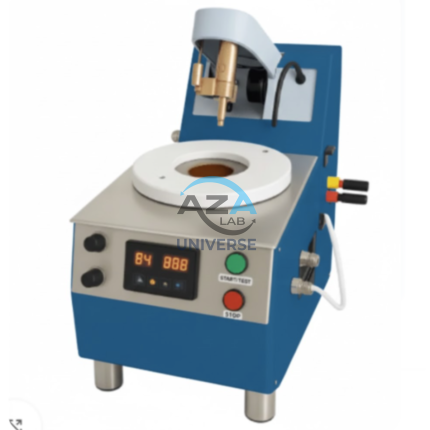
AUOTFLASH AUTOMATED ABEL FLASH POINT ANALYZER AZA1277
The AutoFlash-1277 (Model: AZA1277) from AZA Lab is a fully automated, microcontroller-based Abel Flash Point Analyzer designed for accurate, safe, and repeatable determination of flash points of combustible liquids. Engineered to meet stringent international testing requirements, this advanced instrument conforms to IP 170, ISO 13736, and IS 1448 (Part 20) standards.
Covering a standard temperature range of –30°C to 70°C, extendable up to 110°C, the AZA1277 is ideally suited for laboratories involved in petroleum testing, petrochemical quality control, fuels research, and regulatory compliance.
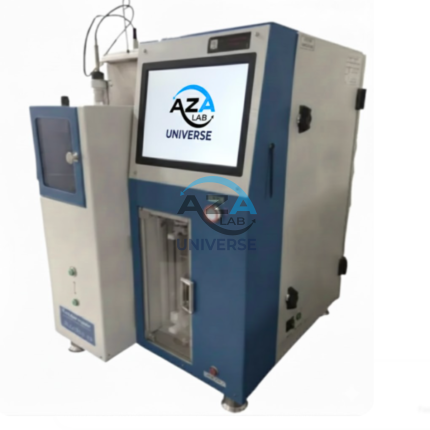
AUTODIST-86 GLASS DISTILLATION UNITAZA1282
The AutoDist-86 Glass Distillation Unit (Model AZA1282) is a high-performance laboratory water distiller designed for the continuous production of high-purity distilled water.
Constructed entirely from borosilicate glass 3.3, the unit ensures zero metallic contamination, excellent thermal resistance, and long operational life. It is ideal for laboratories requiring consistent, low-conductivity distilled water for analytical, pharmaceutical, and research applications.Distillation Performance
- Distillate Output: Up to 4 L/hour (±10%)
- Suitable for routine and medium-scale laboratory demand
- Efficient removal of:
- Dissolved salts
- Heavy metals
- Organic/inorganic impurities
- Microbial contaminants
Related products
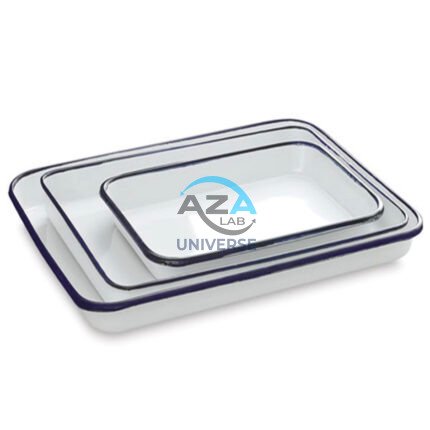
ENAMEL TRAYS AZA1050
Azalab Enamel Trays AZA1050 are robust, multi-purpose trays designed for routine laboratory, medical, educational, and industrial applications. Manufactured from pressed mild steel and coated with a high-gloss white enamel finish, these trays offer excellent durability, chemical resistance, and ease of maintenance.
Their rigid construction and smooth enamel surface make them ideal for sample handling, drying, storage, and transportation of instruments and materials, ensuring hygienic and organized workflows in demanding environments.
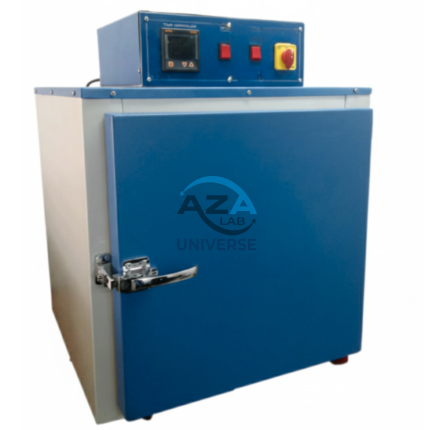
LABORATORY OVEN AZA1057
The AZA1057 Durable Laboratory Oven from AZALAB is a robust and reliable heating solution designed for drying, heating, sterilization, curing, and sample conditioning across a wide range of laboratory and industrial applications. Built with a double-walled construction and efficient insulation, this oven delivers consistent temperature performance with minimal heat loss and high energy efficiency.
The AZA1057 is widely used in geotechnical, medical, pharmaceutical, chemical, food, educational, and R&D laboratories, where dependable and uniform heating is essential.
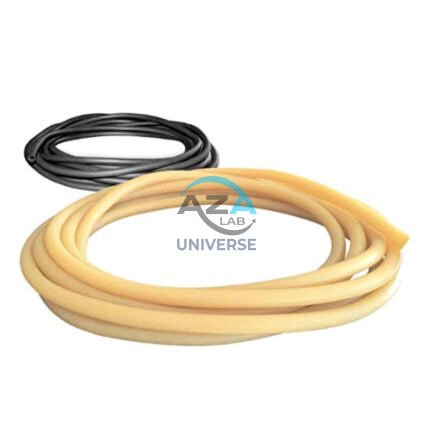
RUBBER TUBING AZA1082
Laboratory Rubber Tubing is a critical flexible connector used extensively in chemical, biological, analytical, and industrial laboratories for the safe transfer of gases, liquids, and low-pressure fluids between apparatus. AZA1082 by AZALAB is engineered for durability, elasticity, and chemical resistance, ensuring reliable performance in demanding laboratory environments.
Manufactured from premium-grade natural or synthetic laboratory rubber, this tubing offers excellent tensile strength, flexibility, and resilience while maintaining a chemically inert inner surface to prevent contamination of samples. Its smooth internal bore ensures uninterrupted flow, while the abrasion-resistant outer surface withstands repeated bending, clamping, and handling.
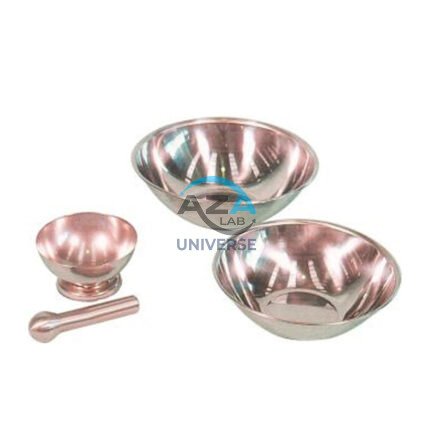
SAMPLING BOWLS AZA1051
The AZA1051 Sampling Bowls are fabricated from high-quality stainless steel (AISI 304 or equivalent), ensuring long service life without rusting, staining, or corrosion. Their mirror-polished, non-reactive surface prevents material adherence and enables rapid, contamination-free cleaning between uses.
The wide open mouth allows easy pouring, mixing, weighing, and visual inspection of samples, while the flat and stable base ensures secure placement on benches, weighing scales, or field work surfaces. These bowls are suitable for handling dry, semi-solid, and liquid samples with equal efficiency.
Fully autoclavable and stackable, AZA1051 bowls support sterile workflows and compact storage, making them ideal for both laboratory and on-site testing environments.
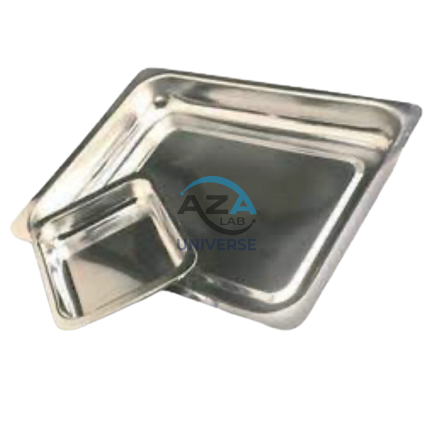
SAMPLING TRAYS AZA1045
AZA1045 Sampling Trays are robust, laboratory-grade trays designed for safe handling, heating, storage, and transfer of bulk material samples in testing and quality control environments. These trays are indispensable tools in geotechnical laboratories, construction material testing labs, soil and aggregate testing facilities, environmental labs, food testing units, and industrial R&D centers.
Specifically engineered to withstand repeated handling and oven heating cycles, AZA1045 trays provide a stable, non-reactive surface for maintaining sample integrity throughout preparation, drying, and evaluation processes.
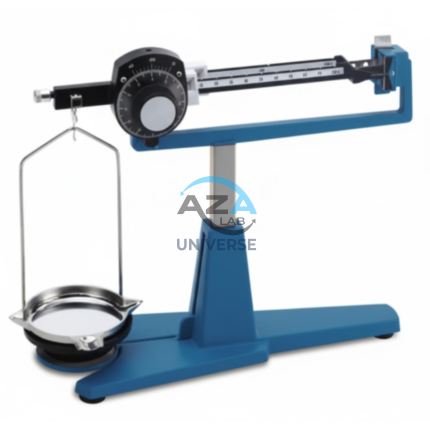
TRIPLE BEAM BALANCE WITH VERNIER AZA1087
The AZA1087 Triple Beam Balance with Vernier is a high-precision mechanical laboratory weighing instrument designed for accurate mass determination in scientific, educational, and field laboratory environments. Known for its reliability, durability, and independence from electronic components, this balance is especially suited for applications involving cement, soil, aggregates, chemicals, and powdered materials.
Unlike electronic balances that depend on power supply, sensors, and frequent recalibration, the AZA1087 delivers consistent and repeatable results through a purely mechanical counterweight system, making it ideal for rugged testing conditions, long-term use, and instructional settings.
TRIPOD STAND AZA1081
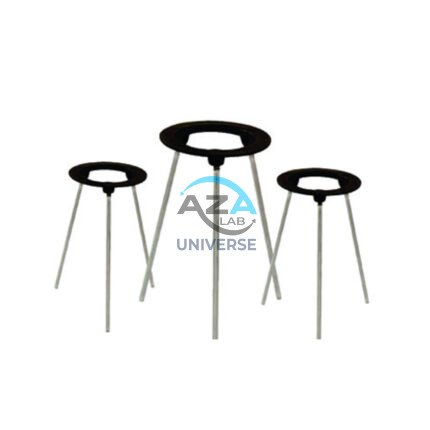
The Tripod Stand is a fundamental laboratory support apparatus used extensively in chemistry, biology, physics, and general science laboratories. Designed to safely hold laboratory glassware and vessels over direct heat sources such as Bunsen burners or spirit lamps, AZA1081 by AZALAB ensures stability, safety, and uniform heating during experimental procedures.
Constructed from heavy-duty cast iron or mild steel, the tripod stand features a rigid three-legged triangular design that evenly distributes weight and maintains balance during high-temperature operations. The circular top ring supports wire gauze or clay triangles, allowing secure placement of beakers, flasks, crucibles, and evaporating dishes.
UNIVERSAL WATER BATH (SEROLOGICAL TYPE) AZA1055
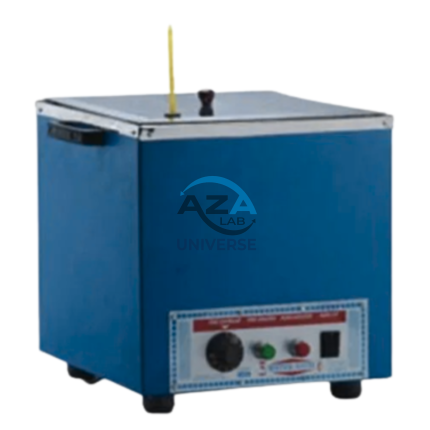
The AZA1055 Universal Water Bath (Serological Type) from AZALAB is a precision laboratory instrument designed to provide stable, uniform, and accurate temperature control for a wide range of biological, chemical, and diagnostic applications. Specifically engineered for serological and routine laboratory work, it ensures reliable performance in applications where temperature consistency is critical for reproducible results.
This laboratory water bath is widely used in clinical laboratories, research institutes, pharmaceutical facilities, educational institutions, and industrial labs for incubation, thawing, media warming, enzyme reactions, and serological testing.