 Rock
 Aggregate
 Cement
 Concrete
 Soil
 Steel
 Bitumen/Asphalt
 Security Survey Equipment
 General Items
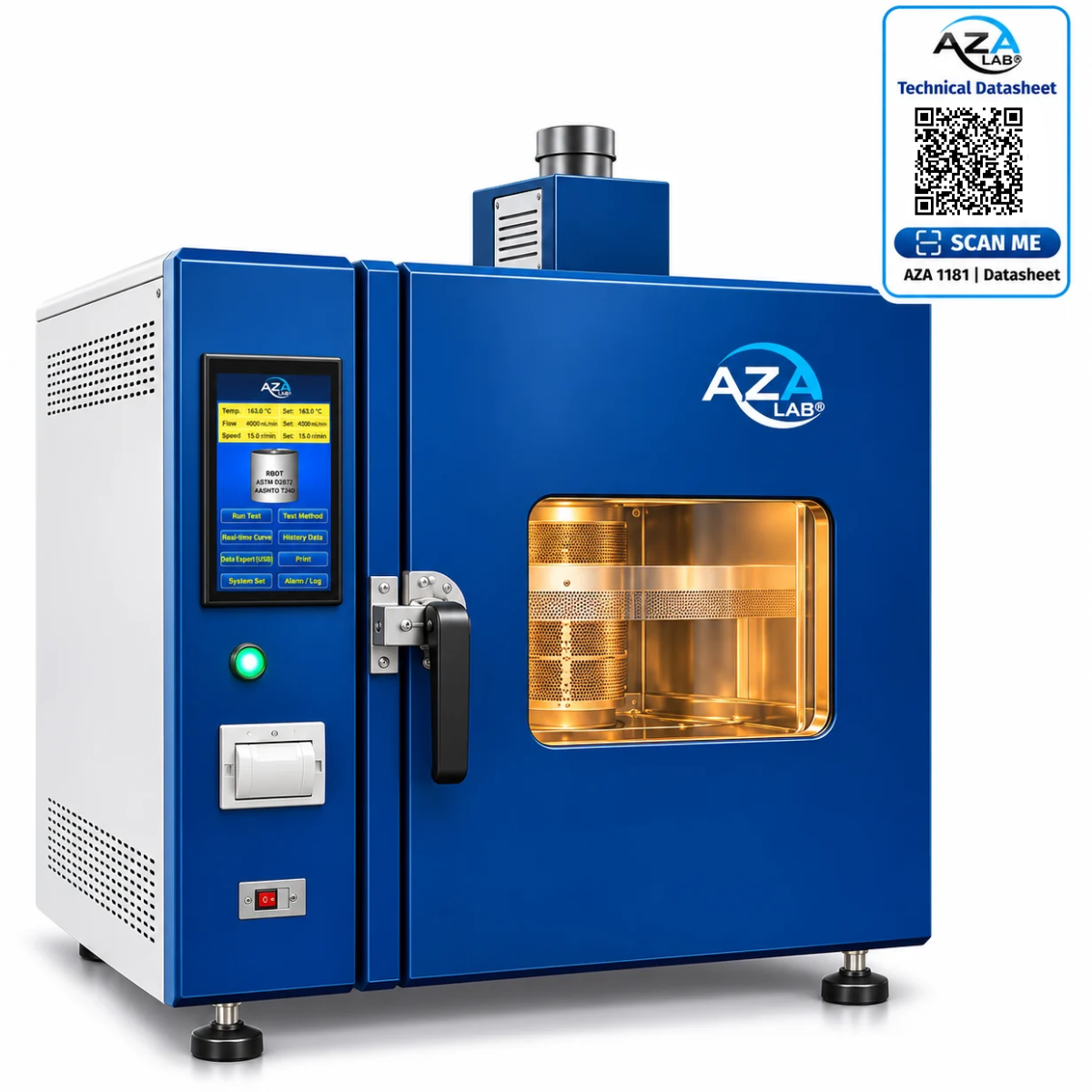
ROTATING BITUMINOUS ROLLING THIN-FILM OVEN AZA1181
The AZA1181 Rotating Bituminous Rolling Thin-Film Oven is designed for short-term aging of asphalt binders under controlled heat and airflow. The apparatus rotates eight sample bottles in a heated chamber while delivering regulated air, supporting laboratory assessment of binder aging characteristics.
The system incorporates electronic airflow monitoring, process trend visualization, data logging and reporting features to support repeatable laboratory workflows.
Description
KEY CAPABILITIES
- German flow-recording sensor in place of a manual flow meter (supplier-described)
- Separate chamber and controller/monitor arrangement to reduce heat exposure of control electronics
- Temperature–time and airflow–time trend displays
- Real-time temperature and airflow deviation monitoring during aging
- Data logging every 5 seconds; USB export in Excel-compatible format
- Automatic printing of process data after test completion
- Illuminated chamber with large heat-resistant viewing window
APPLICATIONS
Short-term asphalt binder aging according to the referenced rolling thin-film oven methods; process records may support subsequent PAV and BBS testing workflows. PAV and BBS tests are performed using separate equipment.
TECHNICAL SPECIFICATIONS
01 / PERFORMANCE & OPERATING REQUIREMENTS
| PARAMETER | SPECIFICATION |
| Test standards | ASTM D2872 / AASHTO T240 |
| Test temperature | 163 °C |
| Temperature control accuracy | ±0.5 °C |
| Airflow | 4,000 mL/min ± 200 mL/min |
| Annular rack rotational speed | 15 r/min ± 0.2 r/min |
| Sample bottle capacity | 8 bottles |
| Airflow measurement | Electronic flow-recording sensor (German origin, supplier-described) |
| Data recording interval | Every 5 seconds |
| Data output | USB export in Excel-compatible format; automatic printing |
| Electrical supply | AC 220 V, 50 Hz, 2 kW |
| Overall dimensions | 650 × 860 × 820 mm |
| Approximate weight | 80 kg |
02 / CONSTRUCTION & PROCESS MONITORING
Air nozzles at the chamber bottom and a fan at the top promote uniform internal temperature. The chamber includes illumination and a large high-temperature-resistant glass viewing window. The controller is physically separated from the heated chamber. The system displays temperature–time and flow–time curves and records deviations for process review.
03 / DATA MANAGEMENT
Five-second process records • USB export • End-of-test automatic printing • Temperature/airflow trend monitoring • Pressure–temperature error relationship records described by supplier for reference during subsequent PAV/BBS workflows (scope and sensor arrangement to be confirmed).
Related products
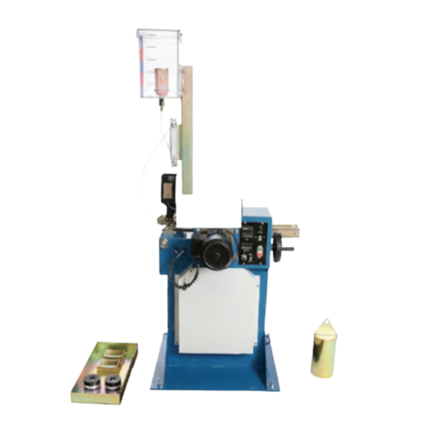
ACCELERATED POLISHING MACHINE AZA0984
Key Features
- Tests polished stone value (PSV) of road aggregates
- Conforms to ASTM D3319 and BS 812 Part 114
- Heavy-duty rotating disc with abrasive feed system
- Integrated water spray system to simulate wet road conditions
- Powder-coated steel body for corrosion resistance
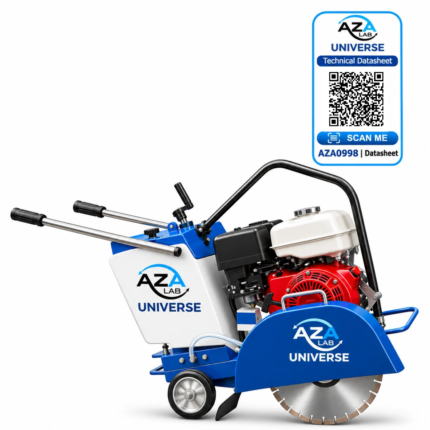
ASPHALT & CONCRETE FLOOR SAW AZA0998
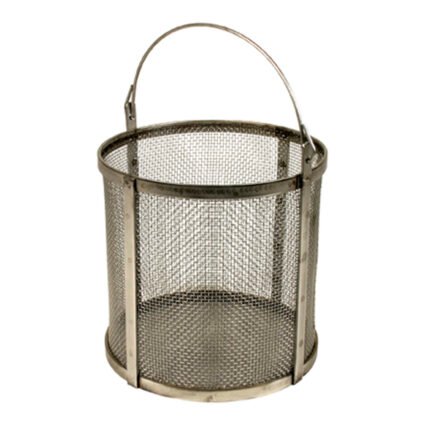
DENSITY BASKET AZA0978
Key Features
- Used for specific gravity and water absorption tests
- Made from high-quality stainless steel mesh
- Equipped with a strong welded suspension hook
- Corrosion-resistant, rust-free and long-lasting
- Smooth welded edges to prevent sample damage
- Standardized mesh aperture for proper water flow
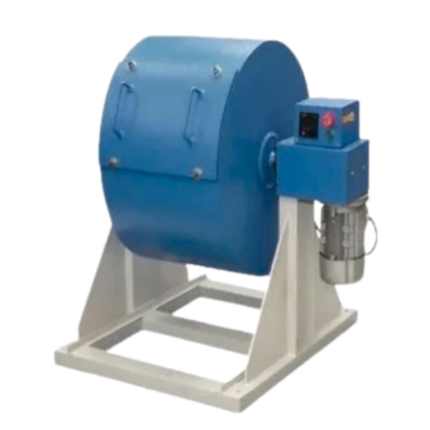
DIGITAL LOS ANGLES ABRASION TESTING MACHINE AZA0987
Key Functions
- Determines aggregate abrasion resistance under controlled test conditions
- Simulates real-life impact and wear suffered by aggregates
- Provides precise digital RPM and time control for repeatability
- Suitable for routine quality control and research laboratories
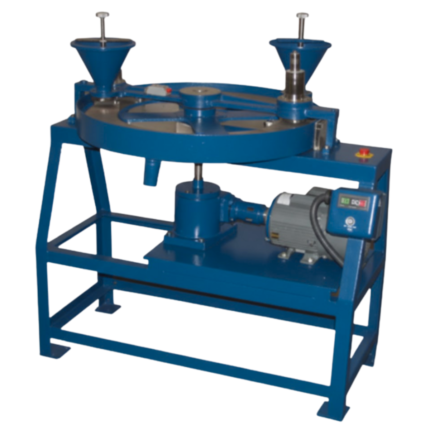
DORRY ABRASION TESTING MACHINE AZA0988
Key Functions
- Evaluates abrasion and wear resistance of aggregates
- Simulates real-life mechanical rubbing and surface wear
- Ensures quality control for construction materials
- Supports research and teaching in civil engineering labs
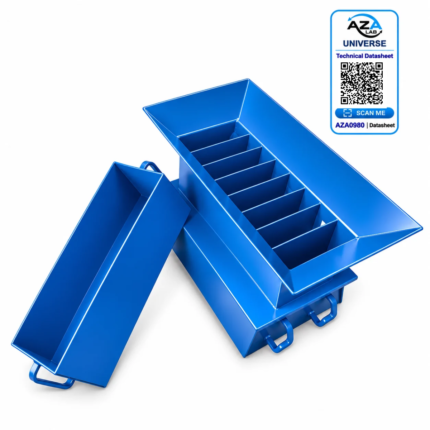
RIFFLE SAMPLE DIVIDER AZA0980
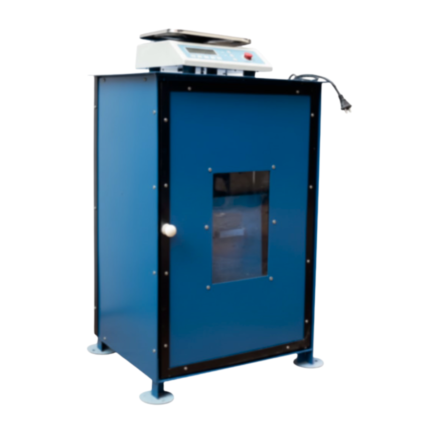
SPECIFIC GRAVITY AND WATER ABSORPTION OF AGGREGATES AZA0979
Key Features
- Comprehensive apparatus for specific gravity and water absorption testing
- Suitable for both fine and coarse aggregates
- Heavy-duty, corrosion-resistant construction
- High accuracy and repeatable results
- User-friendly configuration for lab and field use