
 Rock
Rock Aggregate
 Cement
 Concrete
 Soil
Soil Steel
Steel Bitumen/Asphalt
 Security Survey Equipment
 General Items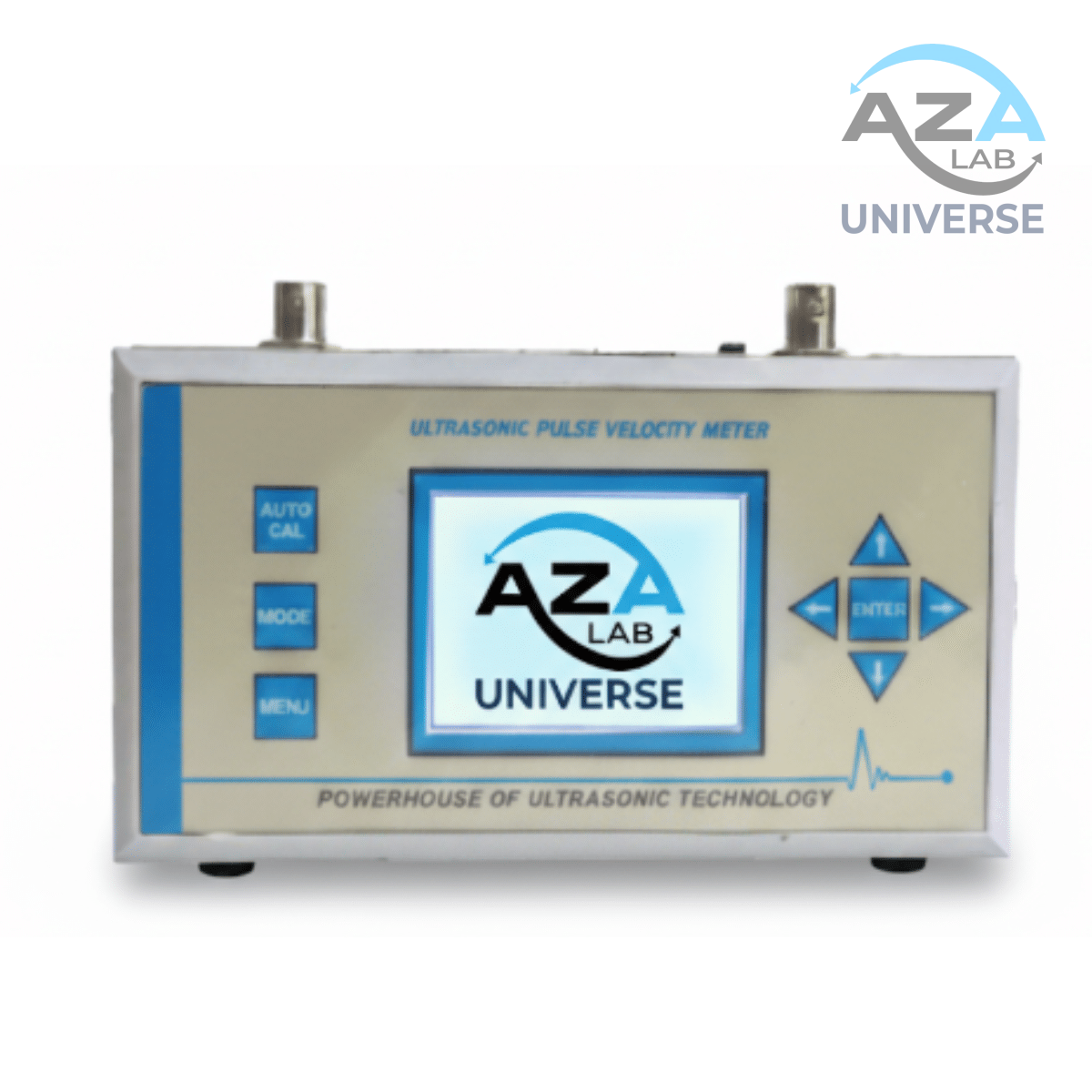
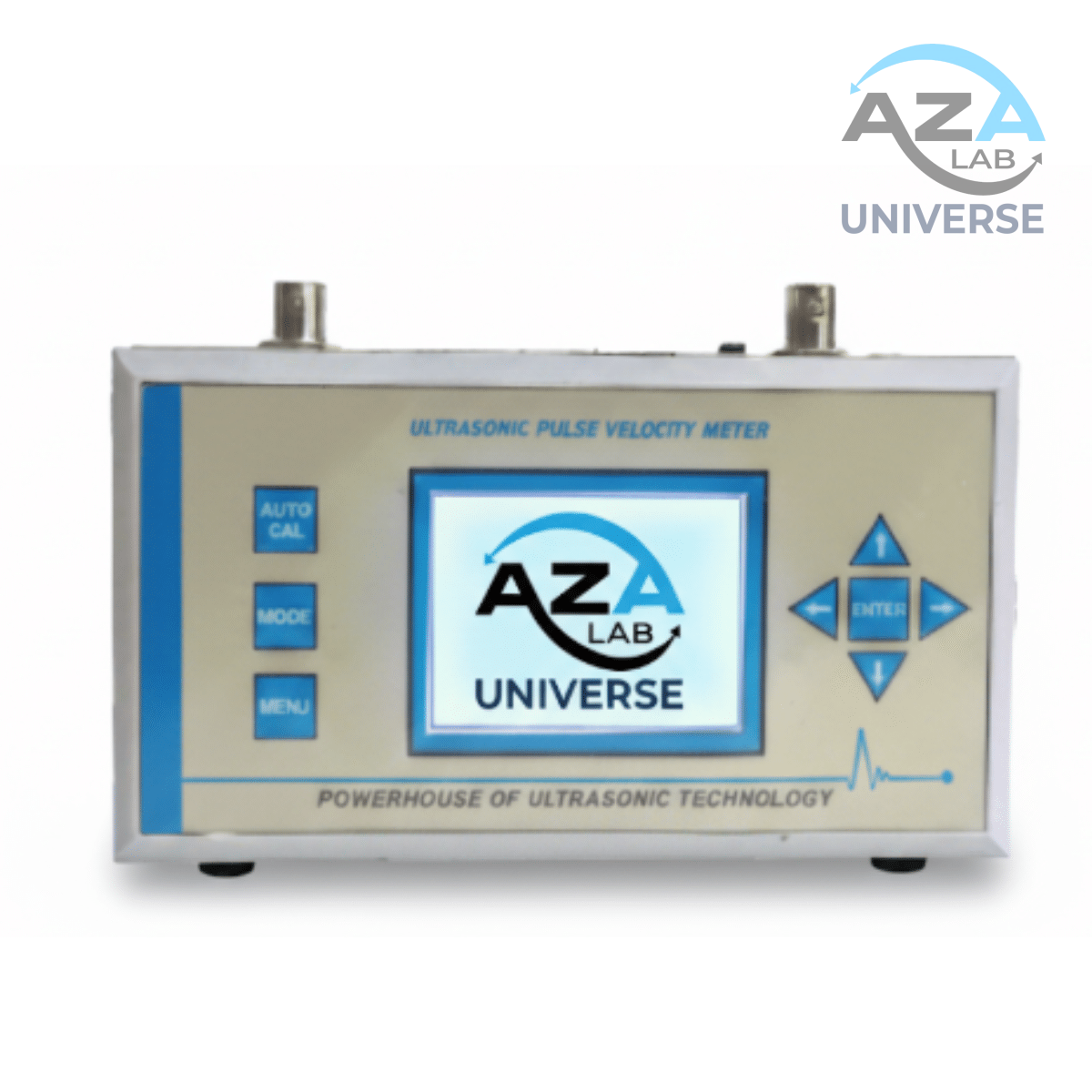
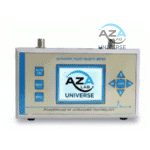
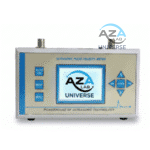
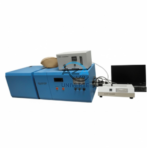
ULTRASONIC CONCRETE TESTER AZA1151B
The Ultrasonic Concrete Tester (UCT – Model1151B) from AZA Lab is a fully portable, non-destructive testing instrument for assessing the strength and quality of concrete, either in-situ or precast. Designed with field conditions in mind, it combines simplicity, accuracy, and unmatched stability, making it ideal for construction sites, laboratories, and quality control applications.
The instrument generates low-frequency pulses and measures the time of flight through concrete. This time measurement is then used to calculate ultrasonic pulse velocity, which is directly related to the mechanical strength of concrete.
Description
Compliance & Standards
- Meets National and International Standards:
- IS Standard
- BS-4408 (Part V – 1974)
- BS-1881
- ASTM C-597
- Non-destructive quality assessment of in-situ or precast concrete
- Crack and void detection
- Determination of concrete homogeneity
- Elastic property measurement with optional Shearwave Probe
| Feature | Specification |
| Model No. | 1151B |
| Display | 5-digit digital display |
| Measurement Mode | Time (Through transmission mode) |
| Range | 10 μs – 9999.9 μs |
| Resolution | ±0.1 μs |
| Calibrated Accuracy | ±0.1 μs |
| Transducer | Contact Type, 50–100 kHz (higher frequencies for small specimens) |
| Operating Temperature | 0° to 50°C |
| Power | 7.2 V DC Li-Ion |
| Testing Range | Up to 4–5 m (50 kHz); Above 5 m (25 kHz) |
| Timing Accuracy | Up to 100 nanoseconds |
- Rechargeable 7.2 V Li-Ion cells (1 set)
- Probe cables: 2 Nos. (4 m each)
- Transducers: 2 Nos. (1.2” diameter, 50 kHz)
- Calibration Blocks: 2 Nos
- Fully portable and field-ready
- High precision measurement with ultra-fast timing
- Non-destructive testing preserves concrete structures
- Crack detection and homogeneity assessment in real time
- Compatible with multiple transducers for a wide range of applications
Related products

CHASE AIR INDICATOR AZA1105
AZA1105 Chase Air Indicator is a compact, lightweight, and highly practical field instrument designed to measure the air content in freshly mixed concrete. It is widely used in construction sites where rapid quality decisions are required and laboratory testing equipment is not readily available.
This device serves as a reliable field alternative to standard air content methods such as ASTM C231 (Pressure Method) and ASTM C173 (Volumetric Method). While it is not intended to replace laboratory-grade instruments, it provides fast, useful guidance that helps engineers and site supervisors maintain proper concrete mix quality.
Air entrainment plays a critical role in concrete durability, especially in regions exposed to freeze–thaw cycles, and contributes significantly to workability and pumpability of concrete. AZA1105 helps ensure that air content remains within the recommended range (typically 4%–7%), reducing the risk of weak or brittle concrete.
The working principle is based on fluid displacement and vacuum pressure balance. A representative mortar sample is collected and placed inside the testing chamber, where a controlled vacuum is applied. The internal pressure difference is translated directly to a calibrated dial gauge showing the approximate air content percentage.
With no electrical components, moving mechanical assemblies, or complex maintenance requirements, the AZA1105 is extremely reliable and built for tough field conditions. Its rugged body and easy-to-read dial make it suitable for continuous daily use in real-world jobsite environments.

INITIAL SURFACE ABSORPTION TEST (ISAT) APPARATUS AZA1108
AZA1108 ISAT Apparatus is a precision-engineered testing instrument designed to measure the Initial Surface Absorption of hardened concrete. This test is essential for evaluating the durability of concrete by determining how quickly water penetrates the surface under controlled conditions. The apparatus is widely used in civil engineering laboratories and quality control departments to assess permeability and long-term performance of concrete structures exposed to moisture.
Built with a high-accuracy capillary tube system, the AZA1108 maintains a constant water head over a defined test area and records the volume of water absorbed over specific time intervals — typically at 10, 30, and 60 minutes. The readings obtained help engineers understand the surface porosity of concrete, which is a critical indicator of resistance against weathering, chloride ingress, corrosion of reinforcement, and environmental deterioration.
Designed in compliance with BS 1881-208, this apparatus ensures reliable, repeatable, and standard-compliant results. Its sturdy, rust-proof construction and easy-to-use configuration make it ideal for both routine testing and advanced durability studies in construction material laboratories.

J-RING, NARROW GAP AZA1109
AZA1109 J-Ring – Narrow Gap is a precision testing apparatus designed to evaluate the passing ability of Self-Compacting Concrete (SCC) under highly restrictive conditions. This device simulates densely congested reinforcement zones by creating artificial obstructions that the fresh SCC must flow through without blocking or segregating. It is an essential tool for determining whether SCC mixes are suitable for heavily reinforced structural elements such as beams, columns, and shear walls.
The narrow gap design offers a more stringent test compared to standard J-Rings, allowing engineers and quality control professionals to accurately observe flow diameter, T50 flow time, and blocking behavior. When used in combination with a standard slump flow cone, AZA1109 provides reliable, repeatable results that help optimize mix designs and ensure consistent on-site performance.
Manufactured from durable, corrosion-resistant steel, the AZA1109 is built for repeated use in laboratory and field testing environments. The apparatus is fully compliant with ASTM C1621 and EFNARC guidelines, ensuring internationally accepted testing procedures.
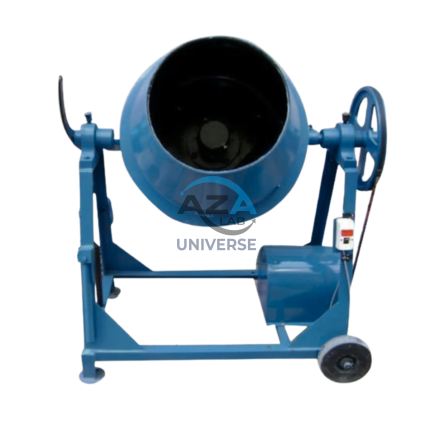
LABORATORY CONCRETE MIXER (MOTORISED) AZA1116
Key Features
- Motorised operation for consistent and uniform mixing
- Ideal for laboratory-scale concrete preparation
- Durable drum crafted from mild steel or stainless steel
- Heavy-duty induction motor for long, reliable service life
- Stable, rigid frame designed for lab environments
- User-friendly controls with built-in safety features
- Reduced manual effort and improved batch repeatability
- Suitable for QC labs, R&D facilities, and educational institutions
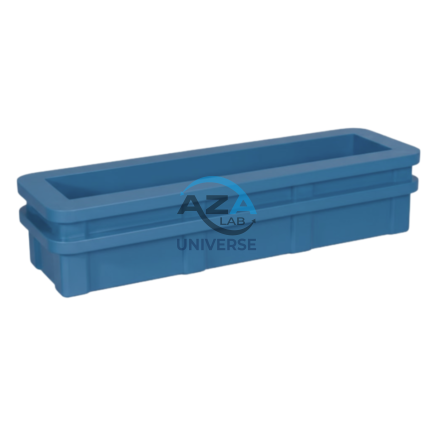
PLASTIC BEAM MOULD AZA1128
The Azalab AZA1128 Polyurethane Beam Mould Series is engineered for casting concrete beam specimens used in flexural strength tests. Built from high-impact, shock-absorbing polyurethane, these moulds deliver exceptional durability, dimensional accuracy, and ease of handling. Their lightweight yet robust design makes them suitable for both laboratory and field applications.
Polyurethane offers superior resilience compared to traditional metal or rigid plastic alternatives, enabling these moulds to withstand vibration, repeated use, and environmental exposure. The smooth internal finish ensures clean, damage-free demoulding, while the mould structure maintains consistency across multiple cycles.
Each AZA1128 mould complies with IS 516, ASTM C78, and BS 1881, ensuring reliable and standardized test preparation.
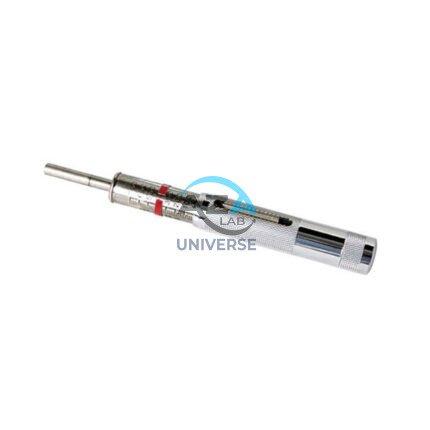
POCKET CONCRETE PENETROMETER AZA1114
- Measures Early Setting & Strength of concrete and mortar
- Direct Penetration Reading via spring-loaded plunger
- Dual Units: MPa or psi
- ASTM C403 & IS 8142 Compliant
- Compact, Portable & Field-Ready
- Includes Carrying Case & Calibration Chart
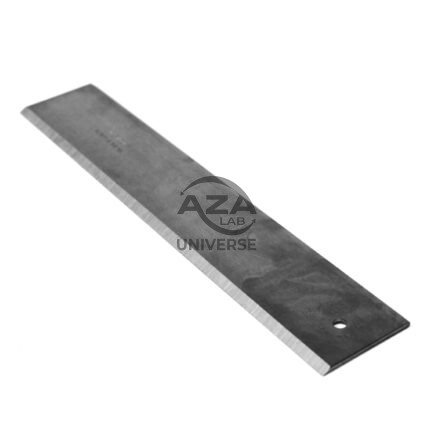
STRAIGHT EDGE AZA1120
The AZA1120 Precision Steel Straight Edge is a laboratory-grade tool engineered for leveling, scraping, and finishing concrete and soil specimens during testing procedures. Used extensively in concrete cube/cylinder preparation, slump cone tests, and air meter testing, this straight edge ensures flat, uniform specimen surfaces essential for accurate and repeatable results.
Manufactured from high-grade hardened steel, the AZA1120 offers superior rigidity, dimensional stability, and long-term durability. The flat, 1-inch wide, 12-inch long bar profile allows smooth handling and effortless removal of excess material from molds. A corrosion-resistant polished or matte finish further enhances longevity and reliability in both lab and field conditions.
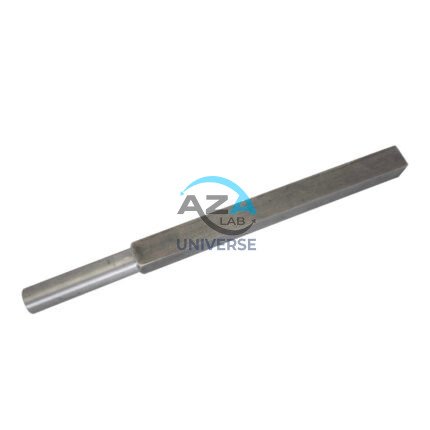
TAMPING ROD AZA1119
The AZA1119 Tamping Rod is a precision-engineered tool designed for proper compaction of concrete during laboratory and field testing. Essential for slump tests, cube/cylinder preparation, and unit weight determination, this rod ensures accurate removal of air voids, resulting in reliable and repeatable test outcomes.
Manufactured from hardened high-grade steel or stainless steel, the rod maintains dimensional accuracy, bending resistance, and a corrosion-proof finish. Each unit is polished to a smooth surface and features hemispherical ends to prevent mold damage and ensure uniform rodding action. The AZA1119 conforms to ASTM C143, ASTM C192, ASTM C138, IS 1199, and other major testing standards.
It is available in 16 mm and 25 mm diameters, with standard lengths of 600 mm (optional 450 mm). The rods are suitable for use in construction materials labs, QC departments, R&D centers, and field sampling units.