 Rock
Rock Aggregate
 Cement
 Concrete
 Soil
Soil Steel
Steel Bitumen/Asphalt
 Security Survey Equipment
 General Items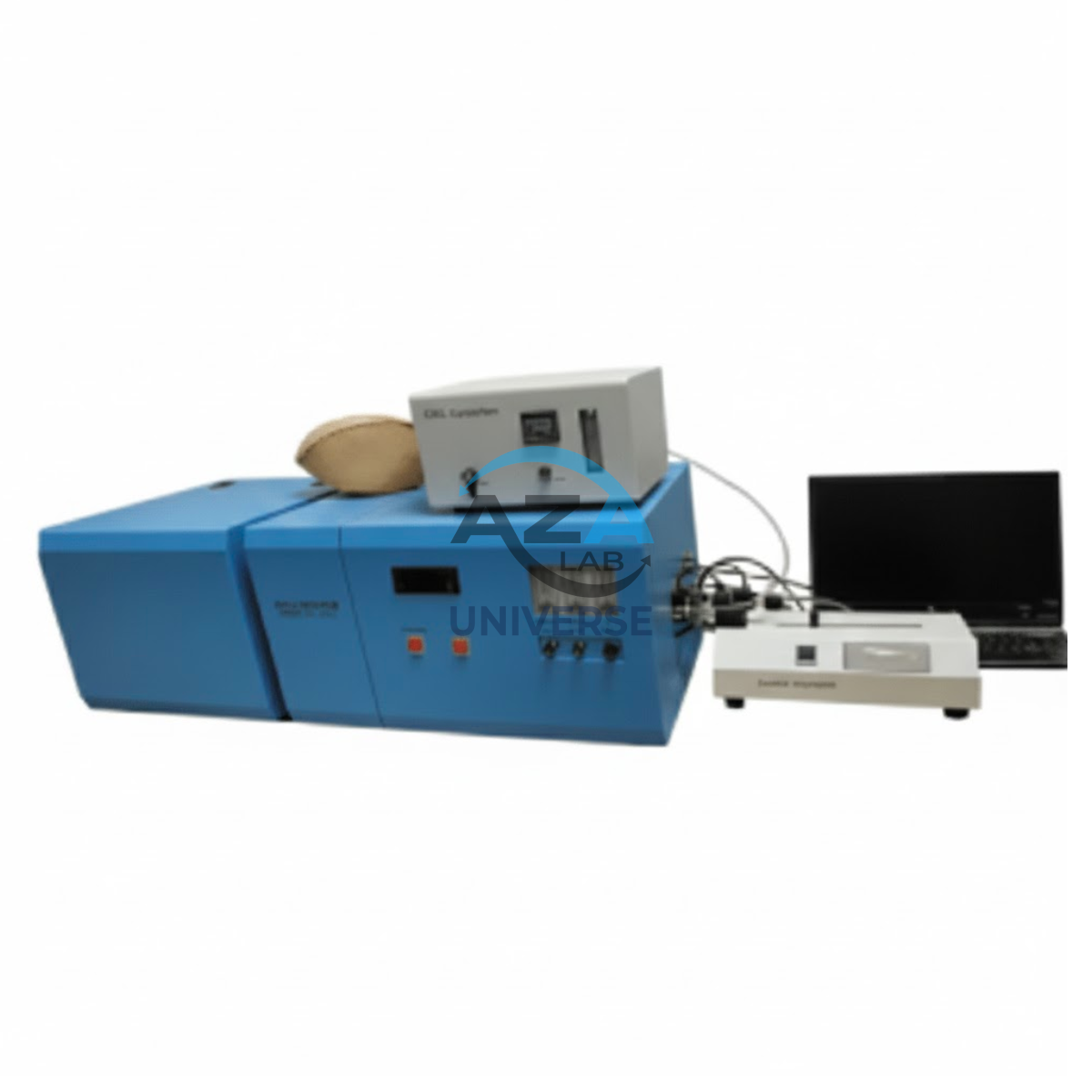
Scope & Applications
The AZA1300A is suitable for sulfur analysis in:
-
Natural gas and processed gaseous hydrocarbons
-
Liquefied Petroleum Gas (LPG)
-
Refinery and petrochemical process streams
-
Final product quality control and compliance testing
Measurement Ranges:
-
Gaseous hydrocarbons: 1 mg/kg to 100 mg/kg total volatile sulfur
-
Liquefied petroleum gases: 1 mg/kg to 196 mg/kg total volatile sulfur
Its wide analytical range makes the AZA1300A an indispensable solution for research institutions, third-party inspection agencies, and industrial laboratories requiring rapid, accurate, and repeatable sulfur determination.
Advanced UV Fluorescence Technology
At the core of the AZA1300A is a state-of-the-art ultraviolet fluorescence (UVF) detection system. Sulfur compounds in the sample are combusted at high temperature, converted to sulfur dioxide (SO₂), and excited by UV radiation. The emitted fluorescence is measured with high precision, ensuring accurate quantification even at trace sulfur levels.
Applications
-
LPG and natural gas sulfur testing
-
Refinery and petrochemical quality control
-
Environmental compliance monitoring
-
Research and development laboratories
-
Third-party inspection and certification agencies
-
Safety and regulatory sulfur analysis
Frequently Asked Questions (FAQ)
Q1: What does the AZA1300A measure?
It measures total volatile sulfur content in gaseous hydrocarbons and LPG using the UV fluorescence method.
Q2: Which standard does this instrument comply with?
The AZA1300A conforms fully to ASTM D6667.
Q3: Can it analyze both gas and LPG samples?
Yes. It supports sulfur analysis in natural gas, processed gases, and liquefied petroleum gases.
Q4: How does moisture affect measurements?
Moisture is efficiently removed using an imported Nafion membrane dryer, ensuring stable and accurate results.
Q5: Is the system suitable for continuous laboratory use?
Yes. It is designed for long-term operation with high stability, low maintenance, and minimal downtime.
Model: AZA1300A – Apparatus for Sulfur Content in LPG by Azalab