
 Rock
Rock Aggregate
 Cement
 Concrete
 Soil
Soil Steel
Steel Bitumen/Asphalt
 Security Survey Equipment
 General Items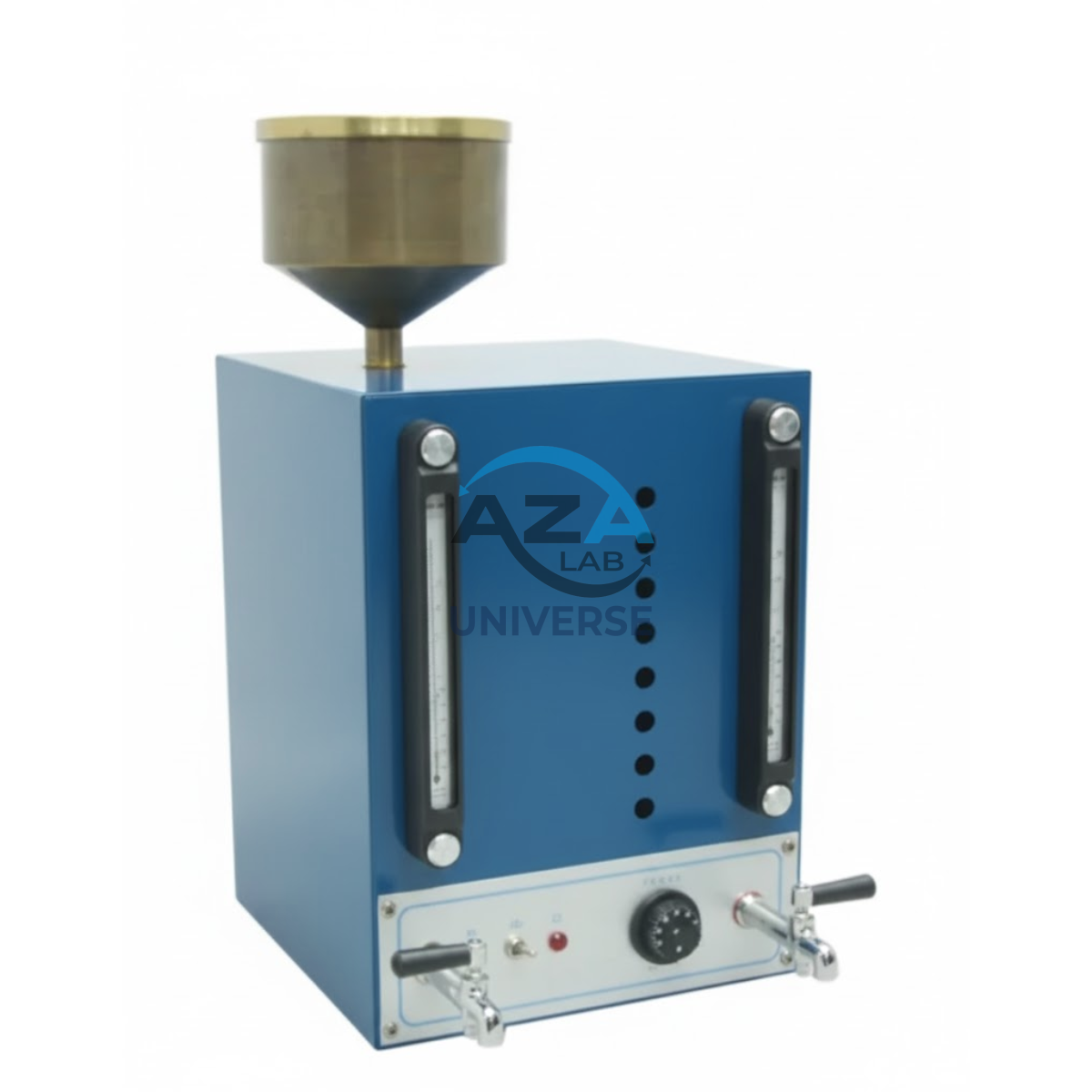
SOLVENT RECOVERY UNIT AZA0949
The AZA0949 Solvent Recovery Unit from AZALAB is a high-efficiency, environmentally responsible system designed for solvent recycling, VOC emission control, and chemical cost reduction in laboratories and industrial facilities. Using controlled thermal distillation, the unit enables safe and effective recovery of high-purity solvents, supporting regulatory compliance and sustainable operations.
Widely used in pharmaceutical manufacturing, chemical laboratories, coatings, printing, asphalt/bitumen testing labs, and R&D facilities, the AZA0949 offers a closed-loop recovery process that minimizes operator exposure and solvent loss while significantly reducing hazardous waste generation.
Description
Working Principle
The AZA0949 operates on thermal distillation. Contaminated solvent is heated in a stainless-steel distillation chamber to its boiling point. Vapors are condensed through an integrated cooling system and collected as purified solvent, while residues remain in the boiling tank for safe disposal.
A digital PID temperature controller allows precise temperature selection between 40°C and 180°C, ensuring optimal recovery efficiency for different solvents. The closed-loop design minimizes VOC emissions and enhances laboratory safety.
Key Applications
- Solvent recovery from bitumen and asphalt testing (centrifuge extraction)
- Pharmaceutical and chemical laboratories
- Column chromatography solvent recycling
- Glassware cleaning solvent reuse
- Printing, coatings, and ink formulation
- Degreasing and industrial cleaning operations
Key Features
- High solvent recovery efficiency (up to 95%)
- Closed-loop system for VOC control
- Digital PID-controlled temperature regulation
- Explosion-proof motor for flammable solvents
- Stainless steel construction (SS304 / SS316)
- Compact, user-friendly, and low-maintenance design
- Environmentally compliant and cost-effective
Standards & Compliance
- Designed for solvent handling safety in compliance with OSHA chemical safety guidelines
- Explosion-proof configuration suitable for volatile solvents (ATEX-aligned design philosophy)
- Supports green lab and sustainability initiatives
Specifications
| Parameter | Details |
|---|---|
| Model Number | AZA0949 |
| Recovery Capacity | 5 – 100 liters/day (model dependent) |
| Solvent Compatibility | Acetone, Ethanol, IPA, Xylene, and similar solvents |
| Construction Material | SS304 / SS316 Stainless Steel |
| Operating Temperature Range | 40°C – 180°C |
| Temperature Control | Digital PID controller |
| Recovery Efficiency | Up to 95% |
| Safety Features | Overheat protection, pressure relief valve, explosion-proof motor |
| Power Supply | 230 V AC, 50 Hz, Single Phase |
| Dimensions (L×W×H) | Varies by model (e.g., 600 × 400 × 800 mm) |
| Weight | Approx. 25 – 90 kg |
Typical Recovery Time
- 30 minutes to 3 hours per batch, depending on solvent type, boiling point, and batch volume.
Included Accessories
- Distillation chamber
- Condenser assembly
- Solvent collection tank
- Digital temperature controller
Optional Accessories
- Chiller or enhanced cooling system
- Activated carbon VOC filter
- Automation I/O ports (advanced models)
- Residue disposal containers
Frequently Asked Questions (FAQ)
Q1: What solvents can the AZA0949 recover?
Common laboratory and industrial solvents such as acetone, ethanol, isopropyl alcohol (IPA), xylene, and similar organic solvents.
Q2: Is the unit safe for flammable solvents?
Yes. The unit is equipped with explosion-proof components, pressure safety valves, and thermal protection systems.
Q3: How often does maintenance need to be performed?
Light maintenance is recommended after every 50 cycles. Thorough cleaning is advised after heavily contaminated solvent recovery.
Q4: Can this unit be integrated with automated lab systems?
Advanced configurations support I/O integration for automation and facility management systems.
Q5: How does the AZA0949 support sustainability?
By recycling solvents and reducing VOC emissions, the unit lowers chemical waste, reduces fresh solvent consumption, and supports green laboratory practices.
Product Highlights
- Efficient solvent recycling for laboratory and industrial use
- Reduces VOC emissions and solvent procurement costs
- Explosion-proof stainless steel construction
- Digital thermal control for precise distillation
- Compatible with a wide range of common solvents
AZALAB – Reliable Solutions for Sustainable Laboratory Operations
Additional information
| Recovery Capacity |
5–100 liters/day (model dependent) |
|---|---|
| Solvent Compatibility |
Acetone, Ethanol, IPA, Xylene, etc. |
| Material |
SS304 / SS316 stainless steel |
| Control System |
Digital thermostat with PID controller |
You may also like…
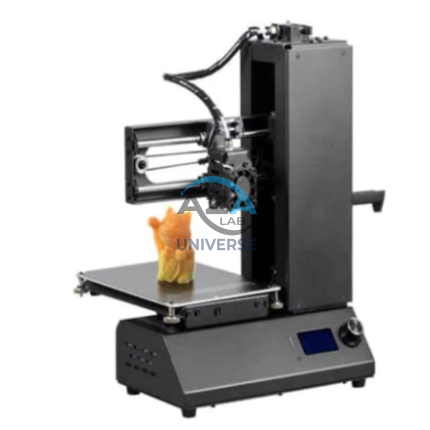
3D PRINTER AZA1255
The AZA1255 AZALAB 3D Printer is a high-precision, versatile additive manufacturing system engineered for educational institutions, research laboratories, professional design studios, and industrial prototyping environments. Designed to deliver speed, accuracy, and repeatability, this advanced 3D printer is ideal for producing functional prototypes, detailed models, custom components, architectural parts, and educational aids.
Combining robust mechanical design with intelligent control software, the AZA1255 ensures consistent, high-quality output across a wide range of applications.
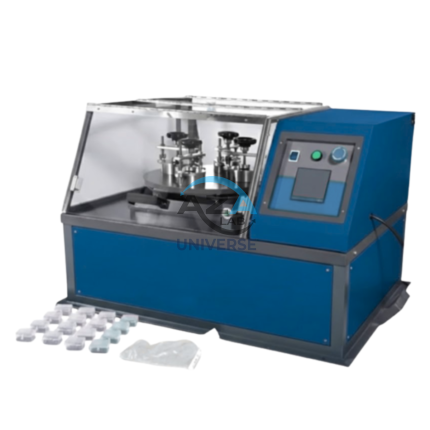
ABRASION TESTING MACHINE FOR GLAZED TILES AZA1262
The AZA LAB Abrasion Testing Machine for Glazed Tiles (AZA1262) is a robust, high-performance laboratory instrument engineered for precise and high-speed abrasion resistance testing of glazed ceramic tiles. Fully compliant with BIS 13630-11 and EN ISO 10545-7, this machine is designed to ensure reliable evaluation of tile durability under simulated real-world wear conditions.
With the capability to test up to four specimens simultaneously, the AZA1262 significantly improves testing efficiency while maintaining exceptional accuracy and repeatability—making it ideal for tile manufacturers, certification laboratories, and quality control departments
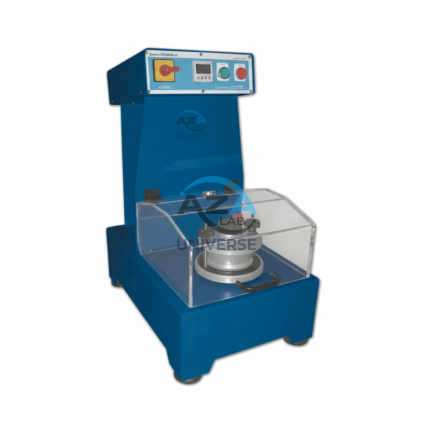
ABRASION TESTING MACHINE FOR GLAZED TILES AZA1261
The AZA LAB Abrasion Testing Machine for Glazed Tiles (AZA1261) is a precision-engineered laboratory instrument designed for the accurate determination of abrasion resistance in glazed ceramic tiles. Fully compliant with BIS 13630-11 and EN ISO 10545-7, this machine is essential for evaluating tile durability and surface wear performance in accordance with international quality standards.
The AZA1261 simulates real-world foot traffic and surface wear conditions, enabling manufacturers, testing laboratories, and quality control departments to verify that glazed tiles maintain their appearance, texture, and integrity even under high-traffic usage.
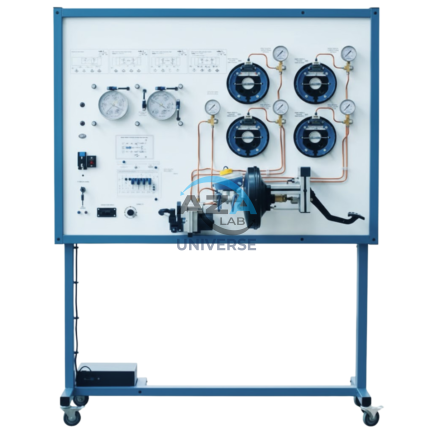
ABS BRAKING SYSTEM TRAINING BOARD SIMULATOR AZA1245
The AZA1245 AZALAB ABS Braking System Training Board Simulator is a fully functional automotive training platform designed to provide in-depth, hands-on understanding of Anti-lock Braking System (ABS) operation, diagnostics, and repair procedures. Built using real automobile components, this simulator enables students and technicians to study ABS structure, electronic control, hydraulic behavior, and fault diagnostics in a safe and controlled learning environment.
This training system is ideal for automotive training institutes, engineering colleges, technical schools, and service technician programs, supporting both instructional demonstrations and practical troubleshooting exercises.
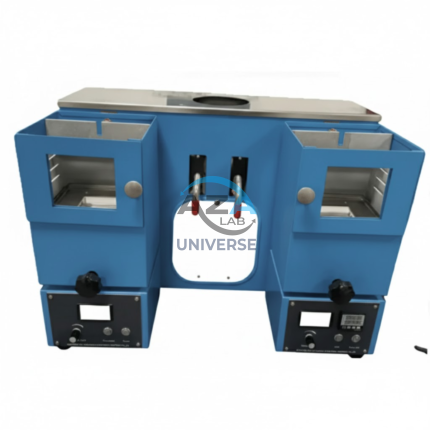
PETROLEUM PRODUCT DISTILLATION TESTER AZA1284
The AZA1284 Manual Distillation Unit from AZA Lab is a high-precision, front-type petroleum distillation system engineered for accurate determination of distillation characteristics of petroleum products in accordance with ASTM D86 and GB/T 6536 test methods. Designed for laboratories that require reliable manual control with superior thermal stability, this unit delivers consistent, repeatable, and standards-compliant results.
With its dual-unit configuration, independently controlled constant-temperature baths, and continuously adjustable heating power, the AZA1284 offers exceptional flexibility and efficiency for routine quality control, inspection, and research applications.
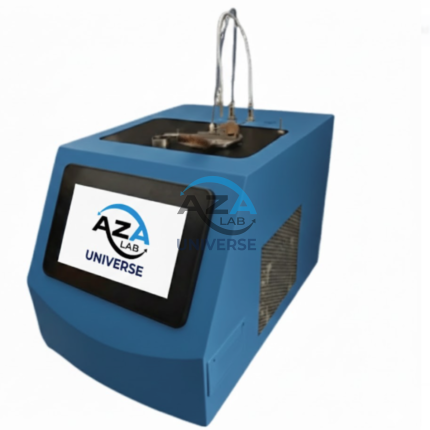
TAG CLOSED CUP FLASH POINT TESTER AZA1280
Standards Compliance
- ASTM D56 (Tag Closed Cup Method)
Measurement Capability
- Flash Point Range: –40°C to 70°C
- Suitable for liquids with flash points below 93°C
- Designed for low viscosity and highly volatile samples
Related products
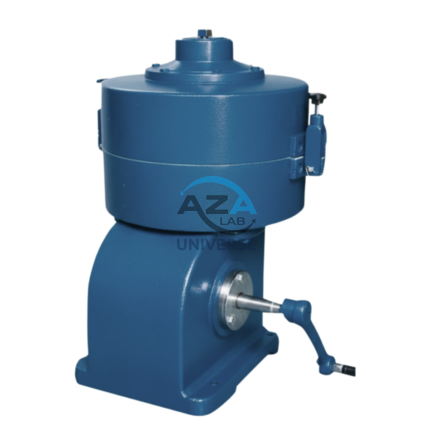
CENTRIFUGE EXTRACTOR (HAND OPERATED) AZA0944
Key Features
- Manual hand-crank operation (no external power required)
- Heavy-duty cast aluminum body for long life
- Removable aluminum extraction bowl for easy cleaning
- Smooth, vibration-free rotation mechanism
- Tight safety lid to prevent solvent loss
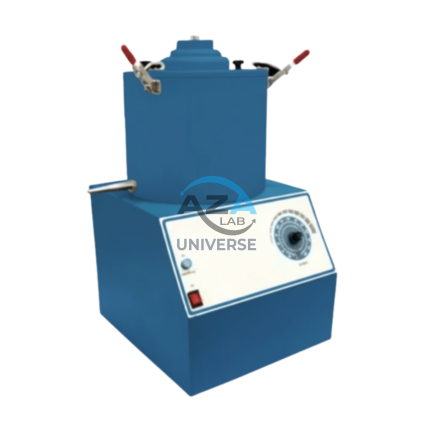
CENTRIFUGE EXTRACTOR (MOTORISED) AZA0945
-
- Powerful high-speed motor for rapid centrifugal separation
- Fully compliant with ASTM D2172 and AASHTO T164
- Stainless steel extraction bowl for corrosion resistance and durability
- Transparent, impact-resistant safety lid for visual monitoring
- Lid-interlock safety system prevents operation when open
- Low-vibration, balanced design for stable operation
- User-friendly digital control panel with variable speed control
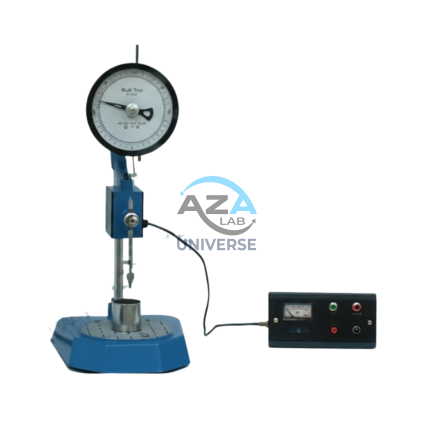
DIGITAL PENETROMETER AZA0939
The AZA0939 Digital Penetrometer from Azalab is an advanced, high-precision laboratory instrument designed for the accurate determination of the consistency of bituminous materials, including bitumen, asphalt, greases, waxes, petroleum jelly, and other semi-solid substances. Engineered for laboratories that demand maximum accuracy, repeatability, and ease of operation, the AZA0939 combines classical penetration testing principles with modern digital measurement and automated timing.
This instrument is widely used in civil engineering laboratories, road construction authorities, asphalt plants, petroleum laboratories, research institutions, and quality control departments, where strict compliance with international standards such as ASTM D5, EN 1426, AASHTO T49, IP 49, and IS 1203 is required.
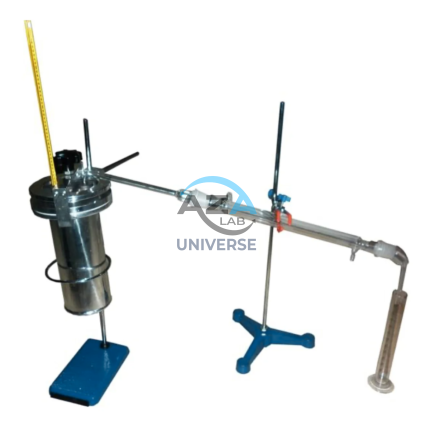
DISTILLATION FOR CUT BACK BITUMEN AZA0937
The AZA0937 Distillation for Cut-Back Bitumen from Azalab is a precision laboratory apparatus designed for the quantitative determination of volatile diluents (fluxing agents or solvents) present in cut-back asphaltic materials. This test is essential for evaluating the curing behavior, workability, and final performance of cut-back bitumen used in road construction and pavement maintenance applications.
Cut-back bitumen relies on volatile solvents to temporarily reduce viscosity for ease of handling and application. The controlled distillation performed using the AZA0937 accurately measures these volatile components, enabling engineers and laboratory technicians to classify cut-back bitumen grades and verify compliance with project and regulatory specifications.
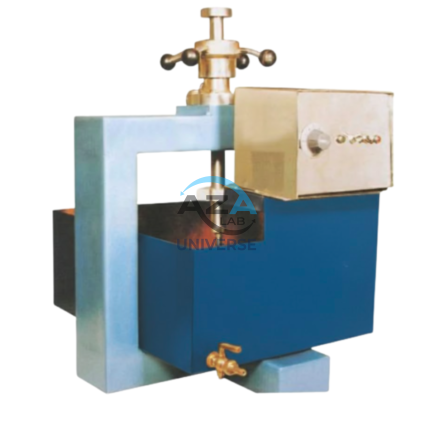
HARDNESS TESTER FOR MASTIC ASPHALT AZA0942
The AZA0942 Hardness Tester for Mastic Asphalt from Azalab is a precision-engineered instrument designed for the determination of penetration hardness of mastic asphalt. This essential testing device is widely used in civil engineering laboratories, road construction projects, and quality control departments to evaluate the consistency, stiffness, and workability of mastic asphalt mixtures.
Accurate hardness measurement ensures that mastic asphalt complies with project specifications and delivers long-term pavement durability, deformation resistance, and performance reliability.
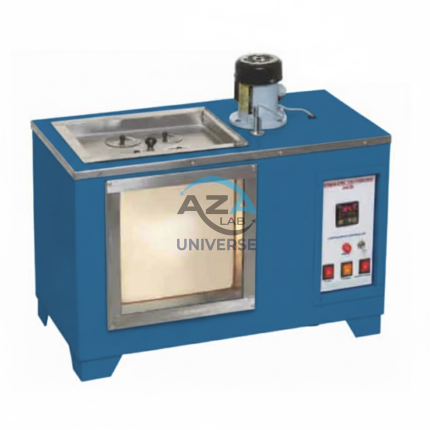
KINEMATIC VISCOMETER BATH AZA0948
STANDARD PENETROMETER AZA0938
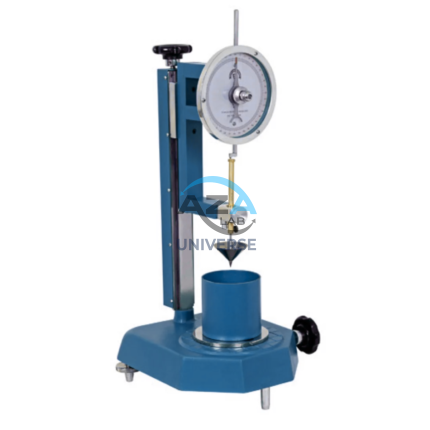
The AZA0938 Standard Penetrometer from Azalab is a robust, reliable, and manually operated laboratory instrument designed for the accurate determination of the consistency of bituminous materials, including bitumen, asphalt, waxes, and greases. It is an essential testing device widely used in civil engineering laboratories, highway authorities, asphalt plants, and quality control laboratories where consistent and repeatable penetration measurements are required.
The AZA0938 operates on the classical penetration testing principle and provides a cost-effective yet precise solution for grading and classifying bituminous binders in accordance with internationally recognized standards such as ASTM D5, EN 1426, AASHTO T49, IP 49, and IS 1203.
STANDARD TAR VISCOMETER AZA0952
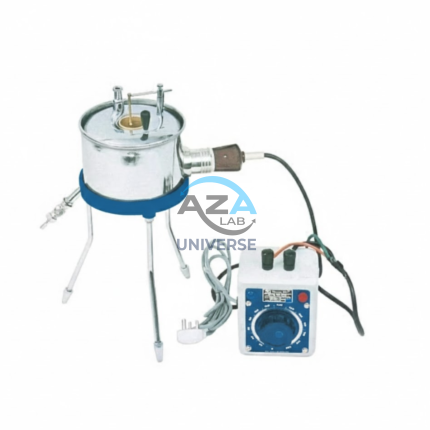
The AZA0952 Standard Tar Viscometer from AZALAB is a robust and widely used laboratory instrument designed for the empirical determination of viscosity of cut-back bitumen, road oils, and other fluid bituminous materials. Viscosity is one of the most critical properties governing the handling, application, and performance of bituminous binders in road construction and maintenance works.
In pavement engineering, the viscosity of cut-back bitumen and road oils directly influences their sprayability, penetration into aggregates, coating efficiency, and workability under field conditions. The AZA0952 provides a simple, reliable, and standardized efflux-time method for assessing these flow characteristics at controlled temperatures, making it an essential instrument for civil engineering laboratories, asphalt plants, and quality control departments.