 Rock
Rock Aggregate
 Cement
 Concrete
 Soil
Soil Steel
Steel Bitumen/Asphalt
 Security Survey Equipment
 General Items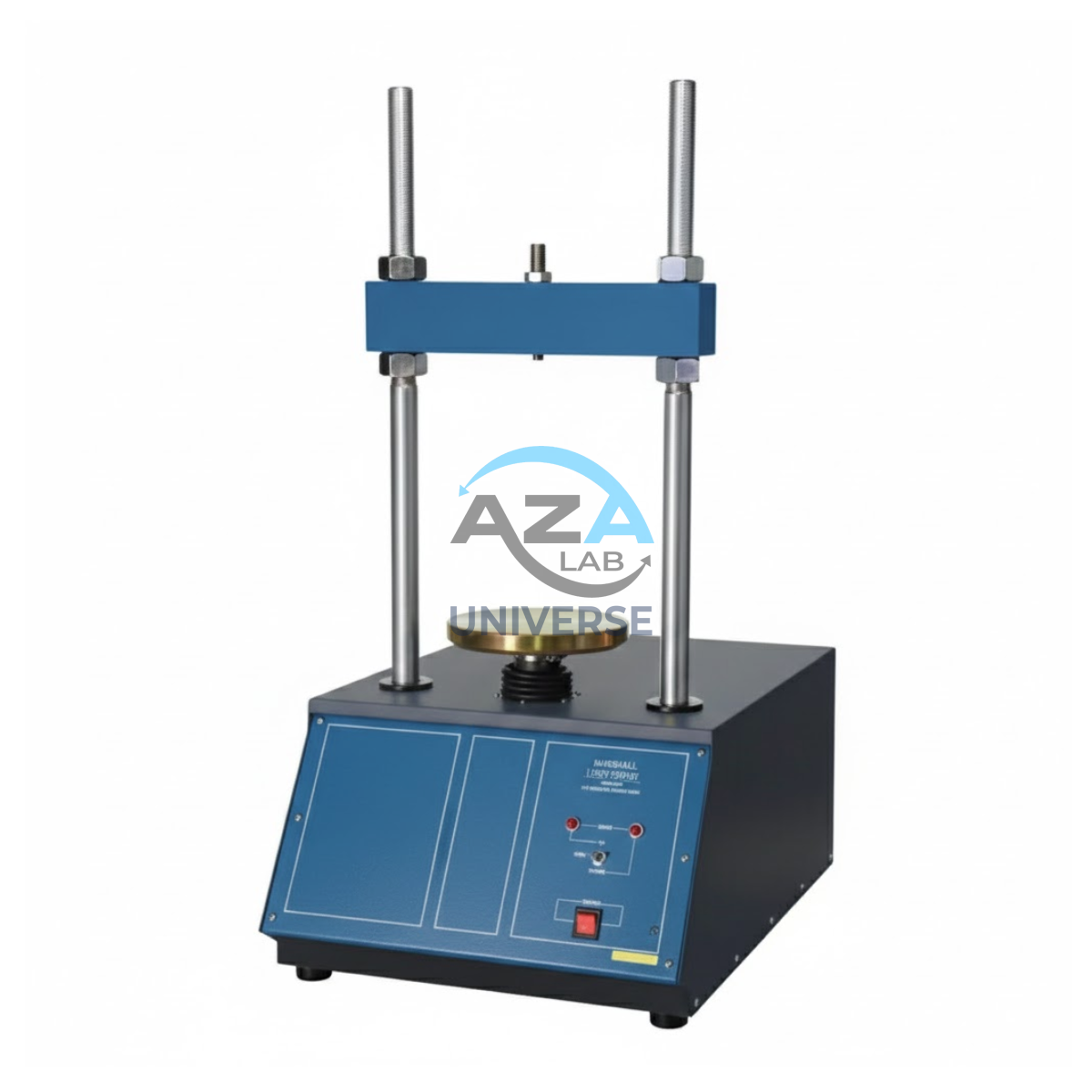
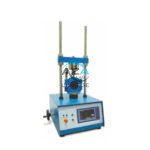
MARSHALL STABILITY TEST APPARATUS AZA0953
The AZA0953 Marshall Stability Test Apparatus from AZALAB is a fundamental and widely adopted instrument in civil engineering and highway material laboratories for evaluating the performance characteristics of compacted bituminous mixtures. It forms the core equipment of the Marshall Mix Design Method, a globally recognized and extensively used procedure for asphalt concrete pavement design and quality control.
The apparatus is designed to accurately determine two critical parameters of asphalt mixtures—Marshall Stability and Marshall Flow—which together indicate the mix’s load-bearing capacity, resistance to permanent deformation, and ability to accommodate traffic-induced stresses without cracking.
Description
Principle of Operation
A standard cylindrical Marshall specimen, prepared and compacted as per relevant standards, is first conditioned to the specified test temperature—commonly 60 °C—using an external water bath or air oven. The conditioned specimen is then placed in a semi-circular steel Marshall breaking head mounted within the rigid load frame.
A hand-operated or motor-driven loading ram applies a continuous vertical compressive load at a controlled rate of 50.8 mm/min (2 inches/min) until specimen failure. During loading:
-
The maximum load sustained by the specimen is recorded as Marshall Stability
-
The total vertical deformation at the point of maximum load is recorded as Marshall Flow
These values are essential for determining the optimum bitumen content and overall suitability of the asphalt mix for pavement construction.
Measurement System
Load Measurement (Stability):
-
Achieved using a calibrated proving ring fitted with a high-sensitivity dial gauge
-
Indicates the peak load at failure, directly representing the stability of the mix
Deformation Measurement (Flow):
-
Measured using a dedicated flow dial gauge mounted to record vertical deformation
-
Represents the flexibility and deformation tolerance of the bituminous mix
The system ensures consistent loading rates and repeatable results, making the AZA0953 suitable for routine laboratory testing and project quality assurance.
Construction and Design Features
-
Heavy-duty rigid steel load frame ensuring accurate force transmission
-
Smooth-operating loading ram for uniform load application
-
Precision-calibrated proving ring and flow dial gauge
-
High-quality steel Marshall breaking head for standard 101.6 mm specimens
-
Robust, low-maintenance construction for long-term laboratory use
-
Cost-effective alternative to fully automatic Marshall testing systems
Engineering Significance
The results obtained using the AZA0953 play a vital role in asphalt pavement engineering:
-
Optimum Mix Design: Determines the correct balance between strength and flexibility
-
Rutting Resistance: Higher stability values indicate improved resistance to deformation under heavy traffic and elevated temperatures
-
Fatigue and Crack Resistance: Proper flow values ensure durability against repeated loading and thermal stresses
-
Quality Control & Acceptance: Essential for verifying compliance of plant-produced asphalt mixes with approved design specifications
The apparatus is extensively used by highway authorities, consultants, contractors, and academic institutions across India.
Standards Compliance
The AZA0953 conforms to the requirements and principles of the following standards:
-
IS 2720 (Part 10) – Determination of Stability and Flow of Bituminous Mixes (Marshall Test)
-
ASTM D1559 / ASTM D6927 (methodological alignment)
-
AASHTO T245 (methodological alignment)
-
MoRTH Specifications and IRC guidelines (application-based compliance)
Technical Specifications
Model Number: AZA0953
Test Method: Marshall Stability and Flow Test (Manual / Semi-Automatic)
Loading Capacity:
-
25 kN or 50 kN (2500 kgf or 5000 kgf), via proving ring
Loading Rate:
-
50.8 mm/min (2 inches/min), hand-operated or motor-driven
Load Measurement:
-
Proving Ring with dial gauge (typical least count: 0.002 mm)
Flow Measurement:
-
Dial Gauge, 0–25 mm range
-
Typical least count: 0.01 mm
Specimen Size:
-
101.6 mm (4-inch) diameter Marshall specimens
Breaking Head:
-
Hardened steel, semi-circular type
Temperature Conditioning:
-
External water bath or air oven required
-
Typical test temperature: 60 °C
-
Compatible with AZA0958 Marshall Water Bath
Power Supply (Motorized Version):
-
230 V AC, 50 Hz, Single Phase
Load Frame:
-
Heavy-duty steel construction
Included Accessories:
-
Proving Ring
-
Flow Dial Gauge
-
Marshall Breaking Head
-
User Manual
Key Features & Benefits
-
Manual operation ensures reliability and economical testing
-
High precision measurement using proving ring and dial gauges
-
Fully compliant with essential Indian and international standards
-
Durable construction for continuous laboratory use
-
Essential quality control tool for asphalt mix design and verification
Frequently Asked Questions (FAQ)
Q1. What is the primary purpose of the AZA0953?
It is used to determine Marshall stability and flow values of compacted bituminous mixtures for asphalt pavement design and quality control.
Q2. How are stability and flow measured?
Stability is measured using a calibrated proving ring that records maximum load, while flow is measured using a dial gauge that records vertical deformation at peak load.
Q3. How does AZA0953 differ from automatic Marshall testers?
AZA0953 requires manual observation and recording of readings, whereas automatic testers use digital sensors and software. AZA0953 is more economical and widely preferred for routine testing.
Q4. Does the apparatus require a water bath?
Yes. Specimens must be conditioned at the specified temperature (typically 60 °C) using an external water bath or air oven.
Q5. How does AZA0953 contribute to road quality in India?
It ensures asphalt mixes meet strength and deformation requirements suitable for Indian traffic and climatic conditions, resulting in longer-lasting and rut-resistant pavements.
Additional information
| Model Number |
AZA 0953 |
|---|---|
| Test Method |
Marshall Stability and Flow Test (Manual/Semi-Automatic) |
| Specimen Size |
Suitable for standard Marshall specimens (101.6 mm / 4-inch diameter). |
| Breaking Head |
Steel, with semi-circular segments to hold the specimen. |
| Load Frame |
Robust steel frame for stability. |
| Power Supply |
230V AC, 50 Hz, Single Phase |
Related products
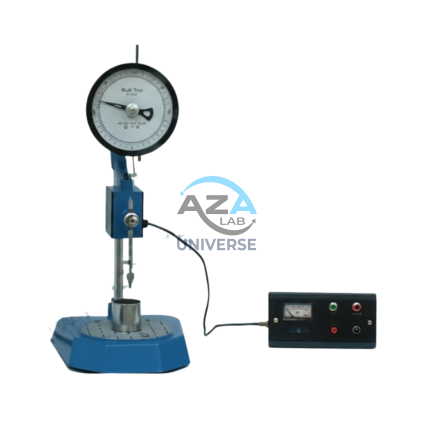
DIGITAL PENETROMETER AZA0939
The AZA0939 Digital Penetrometer from Azalab is an advanced, high-precision laboratory instrument designed for the accurate determination of the consistency of bituminous materials, including bitumen, asphalt, greases, waxes, petroleum jelly, and other semi-solid substances. Engineered for laboratories that demand maximum accuracy, repeatability, and ease of operation, the AZA0939 combines classical penetration testing principles with modern digital measurement and automated timing.
This instrument is widely used in civil engineering laboratories, road construction authorities, asphalt plants, petroleum laboratories, research institutions, and quality control departments, where strict compliance with international standards such as ASTM D5, EN 1426, AASHTO T49, IP 49, and IS 1203 is required.
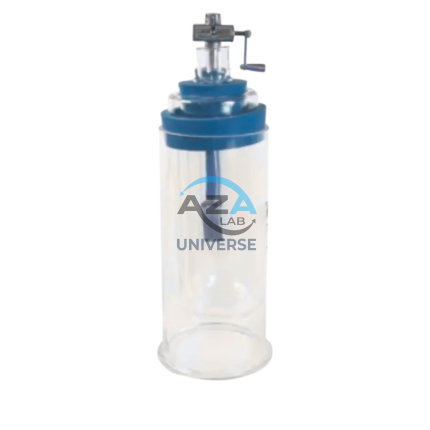
FRAASS BREAKING POINT APPARATUS AZA0935
The AZA0935 Fraass Breaking Point Apparatus from Azalab is a specialized laboratory instrument designed for the accurate determination of the Fraass Breaking Point of bitumen and bituminous binders. This test is essential for evaluating the low-temperature behavior and brittleness of asphalt materials, particularly for pavements exposed to cold climatic conditions.
The Fraass Breaking Point represents the temperature at which a thin film of bitumen loses flexibility and cracks when subjected to controlled cooling and repeated flexing. Determining this temperature is critical for selecting suitable binder grades and preventing thermal cracking in asphalt pavements, thereby ensuring long-term durability and serviceability.
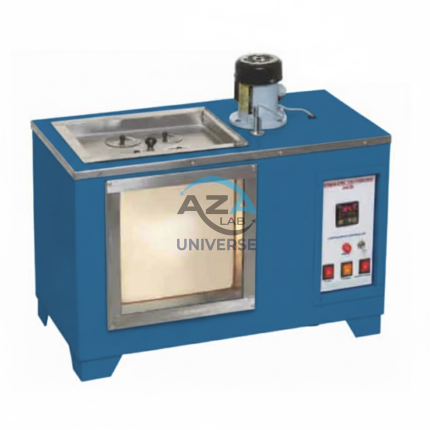
KINEMATIC VISCOMETER BATH AZA0948
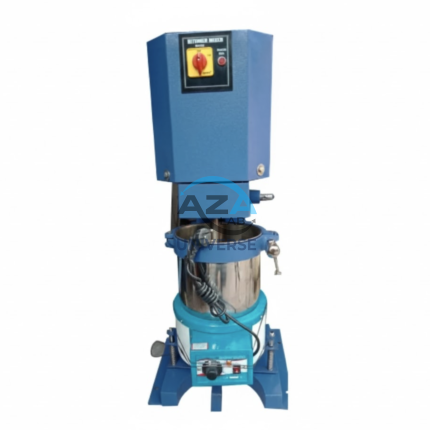
MIXER WITH HEATING JACKET AZA0955
The AZA0955 Mixer with Heating Jacket from AZALAB is a specialized laboratory apparatus engineered for the precise, uniform, and temperature-controlled mixing of materials that require elevated temperatures during blending. It is an essential instrument in civil engineering and highway material laboratories, particularly for the preparation of bituminous and asphalt mixes such as Hot Mix Asphalt (HMA).
By maintaining materials at a controlled and uniform temperature throughout the mixing process, the AZA0955 ensures optimal binder viscosity, thorough aggregate coating, and homogeneous sample preparation. This level of control is critical for producing accurate, repeatable, and representative laboratory specimens, which directly influence the reliability of asphalt mix design, quality control, and performance testing.
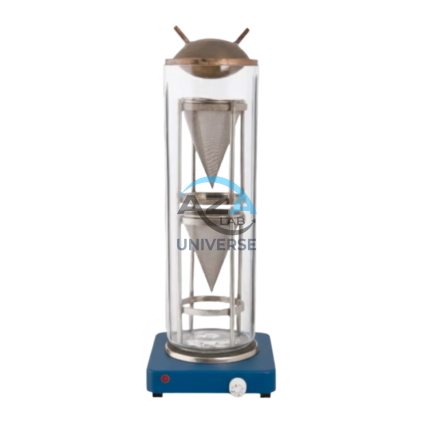
REFLUX EXTRACTOR 4000 GMS AZA0941
The AZA0941 Reflux Extractor 4000 GMS from Azalab is a high-efficiency laboratory apparatus designed for the quantitative determination of bitumen content in asphalt paving mixtures using the reflux extraction method. Engineered for large sample capacities up to 4000 grams, the AZA0941 is an essential instrument for civil engineering laboratories, road construction quality control, and materials testing facilities.
By ensuring accurate separation of bitumen binder from aggregates, the AZA0941 helps verify compliance with asphalt mix design specifications, directly contributing to durable, high-performance pavement construction.
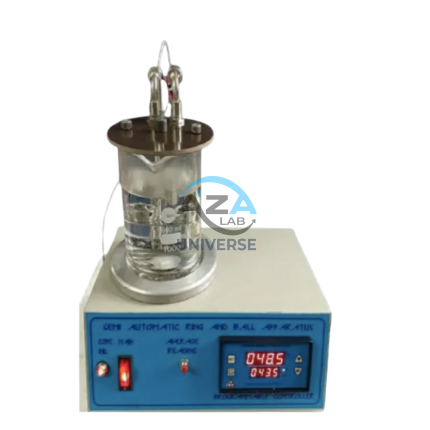
RING & BALL APPARATUS(SEMI AUTOMATIC) AZA0934
The AZA0934 Ring & Ball Apparatus (Semi-Automatic) from Azalab is an advanced laboratory instrument designed for the precise determination of the softening point of bitumen, asphalt binders, and related bituminous materials. This critical test evaluates the temperature susceptibility and high-temperature performance of asphalt binders, directly influencing pavement resistance to rutting and permanent deformation under hot service conditions.
By integrating the standard Ring & Ball method with semi-automatic control and detection features, the AZA0934 significantly improves accuracy, repeatability, and operational efficiency, making it ideal for modern quality control, research, and specification laboratories.
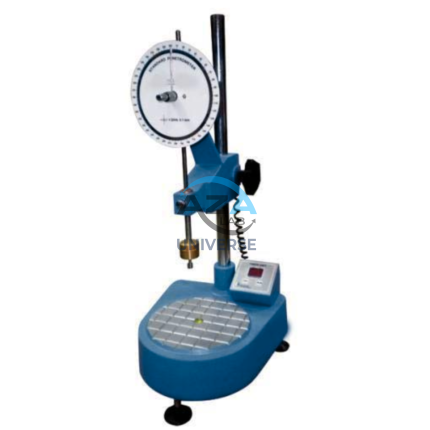
SEMI-AUTOMATIC PENETROMETER AZA0940
The AZA0940 Semi-Automatic Penetrometer from Azalab is a high-precision laboratory instrument designed for the accurate determination of the consistency of bituminous materials, including bitumen, asphalt, and other semi-solid products such as greases and waxes. Engineered to bridge the gap between manual and fully digital systems, the AZA0940 combines robust mechanical construction with digital timing and automated needle release, delivering excellent accuracy, repeatability, and ease of operation.
This instrument is widely used in civil engineering laboratories, highway authorities, asphalt plants, research institutions, and quality control laboratories, where dependable penetration testing in compliance with ASTM D5, EN 1426, and AASHTO T49 is required.