
 Rock
Rock Aggregate
 Cement
 Concrete
 Soil
Soil Steel
Steel Bitumen/Asphalt
 Security Survey Equipment
 General Items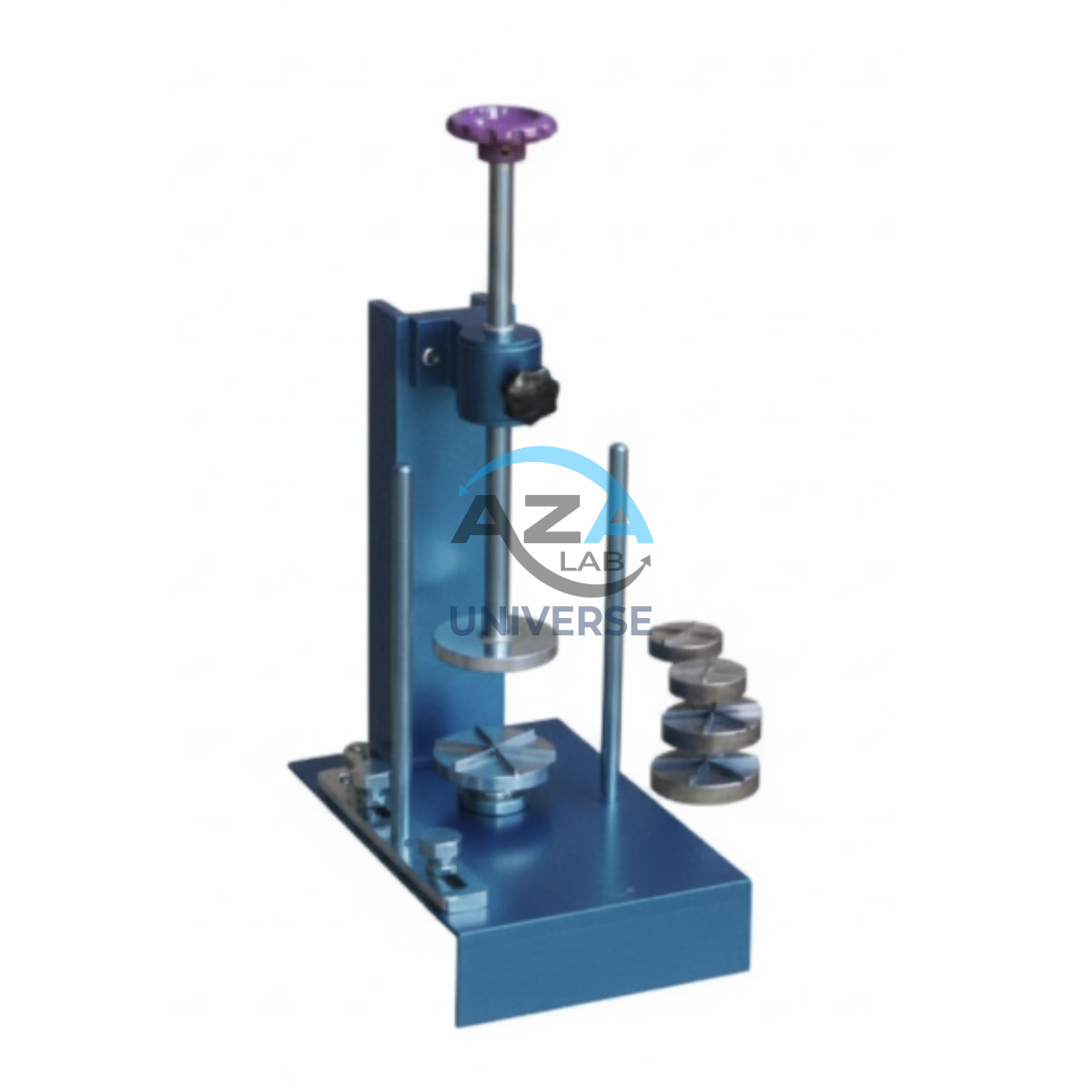
SOIL TRIMMER (HAND OPERATED) AZA0893
- Hand-operated tool for cylindrical soil sample trimming
- Ideal for triaxial, permeability, and consolidation testing
- Compatible with 38mm, 50mm, 75mm, and 100mm specimens
- Includes adjustable trimming blades and sample holders
- Rugged base ensures stability during manual operation
Description
The Soil Trimmer Hand Operated is a laboratory tool designed for precise trimming of cylindrical soil specimens used in geotechnical testing procedures such as triaxial shear, permeability, and consolidation tests. Proper sample preparation is critical for obtaining accurate and repeatable test results, and this hand-operated trimmer ensures samples are trimmed to uniform height and geometry with minimal disturbance.Soil Trimmer Hand Operated, Soil Sample Preparation Tool, Triaxial Soil Sample Cutter, Lab Soil Trimming Equipment.
This compact, manually controlled device allows laboratory technicians to trim undisturbed or remolded soil samples to exact lengths, typically after extraction from sampling tubes or cutting rings. It includes a rotating handle mechanism and an adjustable trimming blade that moves horizontally across the specimen surface. The device is mounted on a stable base with clamps or guides to hold the sample vertically in position.
The trimmer supports sample diameters of 38mm, 50mm, 75mm, and 100mm, making it versatile across various standard testing equipment. The hand operation offers full control over trimming speed and pressure, reducing the risk of sample damage, especially for sensitive clays or silts.Soil Trimmer Hand Operated, Soil Sample Preparation Tool, Triaxial Soil Sample Cutter, Lab Soil Trimming Equipment.
Applications
This soil trimming tool is used in:
- Triaxial compression test sample preparation
- Oedometer (consolidation) test specimen trimming
- Permeability test sample cutting and leveling
- Soil classification sample size standardization
- Academic and commercial geotechnical labs
It ensures that the sample ends are perfectly flat and parallel, an essential requirement for proper seating in test apparatus and accurate stress distribution during testing.
Construction & Features
- Rotating hand crank with adjustable blade arm for manual trimming
- Interchangeable sample holders to suit different sample sizes
- Aluminum or stainless steel construction for rust resistance
- Non-slip base plate for stable trimming operations
- Locking mechanism to secure the specimen vertically
Optional accessories include extra blades, height adjustment gauges, and calibration jigs.
Standards and Compliance
While the Soil Trimmer (Hand Operated) is not a test device governed by specific codes, it plays a vital role in sample preparation for standards such as:
- ASTM D4767 – Triaxial Compression Test
- ASTM D2435 – One-Dimensional Consolidation
- BS 1377-7 – Shear Strength Tests
- IS 2720 Series – Soil testing standards
Reference: ASTM D4767 Standard
Key Benefits
- Enables fast and clean trimming of soil samples
- Manual control avoids over-trimming or sample disturbance
- Universal holders for various sample diameters
- Compact and easy to operate in any lab environment
- Durable build for long-lasting performance
Specifications:
| Feature | Specification |
|---|---|
| Operation Type | Manual (Hand Operated) |
| Supported Sample Diameters | 38mm, 50mm, 75mm, 100mm |
| Blade Adjustment | Horizontal movement via crank arm |
| Construction Material | Aluminum / Stainless Steel |
| Base | Non-slip with clamping mechanism |
| Applications | Triaxial, Consolidation, Permeability |
| Optional Accessories | Extra blades, gauges, calibration tools |
| Sample Holder | Interchangeable based on diameter |
| Compliance | ASTM, BS, IS sample prep compatibility |
FREQUENTLY ASKED QUESTIONS (FAQ):
Q1: What tests require trimmed soil specimens?
A1: Trimming is essential for triaxial, permeability, and consolidation tests to ensure standard sample dimensions.
Q2: Is the device easy to use for soft clay samples?
A2: Yes, the manual operation allows delicate control, making it suitable for fragile or sensitive soils.
Q3: What sample sizes does this tool accommodate?
A3: It supports 38mm, 50mm, 75mm, and 100mm diameters with interchangeable holders.
Q4: Does it come with replacement blades?
A4: One set is included by default; additional blades are available as optional accessories.
Q5: Is calibration required before use?
A5: No calibration is required, but users may use height gauges for precision trimming.
Additional information
| Operation Type |
Manual (Hand Operated) |
|---|---|
| Supported Sample Diameters |
38mm, 50mm, 75mm, 100mm |
| Blade Adjustment |
Horizontal movement via crank arm |
| Construction Material |
Aluminum / Stainless Steel |
You may also like…
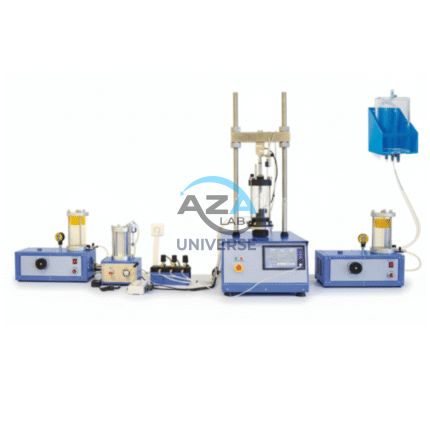
Advanced Triaxial Test System (UU–CU–CD Capable) (AZA 1296)
- UU–CU–CD test modes for complete soil strength profiling
- Automated control of pressure, load, and drainage
- Compatible with clay, silt, sand, and mixed soils
- Integrated data acquisition and real-time graphing
- Meets ASTM D2850, D4767, BS1377, AASHTO standards
- Ideal for geotechnical, research, and academic use
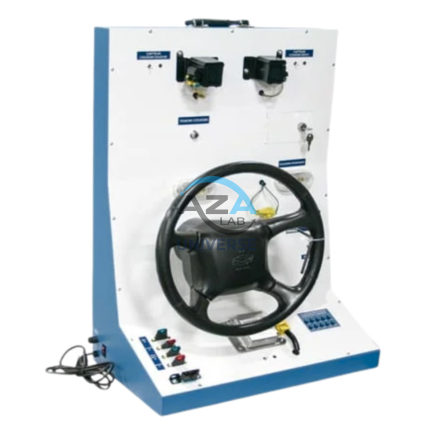
Air Bag Trainer AZA1246
The AZA1246 AZALAB Air Bag Trainer is a comprehensive educational training platform designed to demonstrate the structure, operation, diagnostics, and fault analysis of modern automotive airbag systems, also known as Supplemental Restraint Systems (SRS). Built using OEM automotive components, this trainer delivers a realistic learning experience while maintaining complete operational safety.
This system is ideally suited for automotive engineering colleges, ITIs, polytechnic institutes, vocational training centers, and service technician programs, enabling both theoretical instruction and hands-on diagnostics practice.
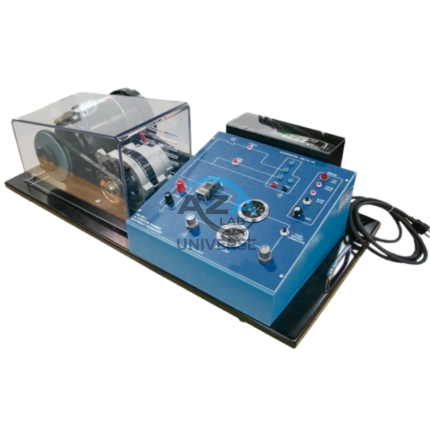
Alternator Trainer AZA1247
The AZA1247 AZALAB Alternator Trainer is a hands-on automotive electrical training system designed to demonstrate the working principles, construction, and diagnostics of an automotive alternator with external voltage regulation. Built using OEM automotive components, this trainer provides a realistic and safe learning platform for students, technicians, and trainees to understand vehicle charging systems in depth.
This system is ideal for automotive engineering institutes, ITIs, polytechnics, vocational training centers, and service technician programs, supporting both theoretical instruction and practical experimentation.
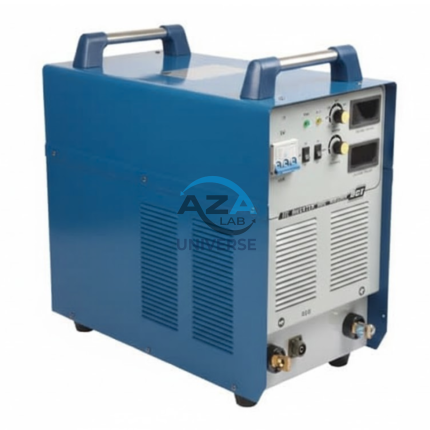
Arc Welding Machine AZA1234
The AZA1234 Arc Welding Machine by A Z A Lab is a high-performance industrial welding solution engineered for demanding fabrication, maintenance, and structural welding applications. Designed using advanced inverter technology, this machine delivers superior arc stability, high efficiency, and reliable welding performance across a wide range of electrode types and materials.
With an inverter frequency of up to 20 kHz, the AZA1234 ensures fast dynamic response, reduced spatter, and excellent weld bead appearance. Its robust electrical design supports a high duty cycle, allowing continuous operation under heavy loads while maintaining consistent welding output—even with output cable lengths of up to 100 meters.
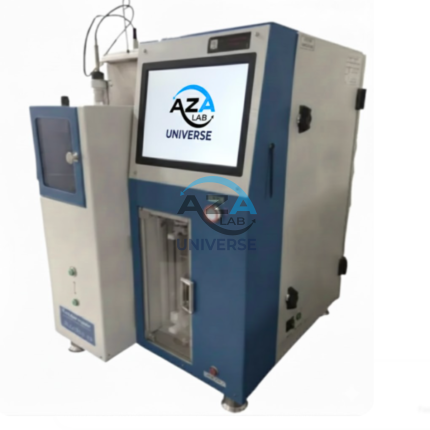
AutoDist‑86 Glass Distillation AZA1282
AutoDist-86 Glass Distillation Unit – AZA1282
The AutoDist-86 Glass Distillation Unit (Model: AZA1282) from AZA Lab is a high-performance laboratory water distiller engineered for the consistent production of ultra-pure distilled water. Manufactured entirely from high-grade borosilicate 3.3 glass, this unit delivers exceptional chemical resistance, thermal stability, and long-term durability, making it ideal for scientific, medical, pharmaceutical, and academic laboratories.
Designed for reliability and purity, the AZA1282 ensures contamination-free distillation without the risk of metallic ion leaching common in metal-bodied stills.
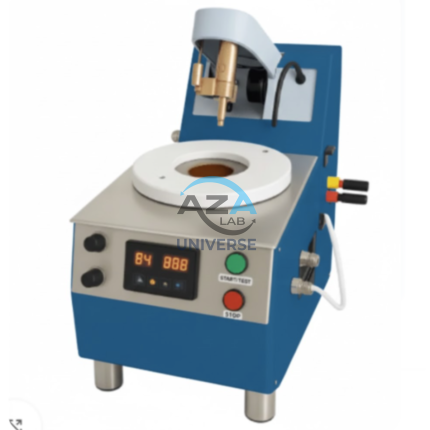
AutoFlash – Automated Abel Flash Point Analyzer AZA1277
The AutoFlash-1277 (Model: AZA1277) from AZA Lab is a fully automated, microcontroller-based Abel Flash Point Analyzer designed for accurate, safe, and repeatable determination of flash points of combustible liquids. Engineered to meet stringent international testing requirements, this advanced instrument conforms to IP 170, ISO 13736, and IS 1448 (Part 20) standards.
Covering a standard temperature range of –30°C to 70°C, extendable up to 110°C, the AZA1277 is ideally suited for laboratories involved in petroleum testing, petrochemical quality control, fuels research, and regulatory compliance.
Related products
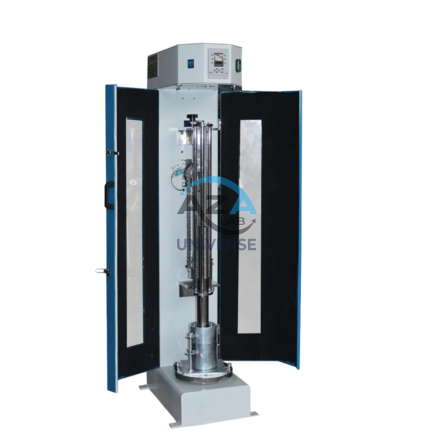
AUTOMATIC SOIL COMPACTOR AZA0867
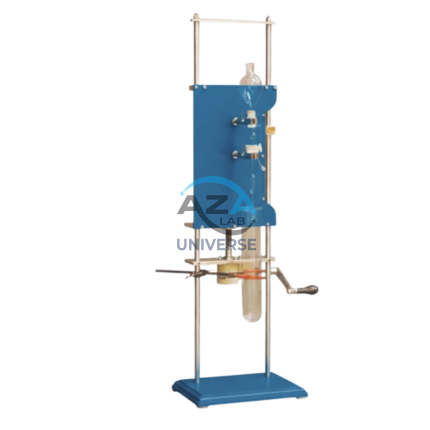
GRAIN SIZE ANALYSIS (PIPETTE METHOD) AZA0856
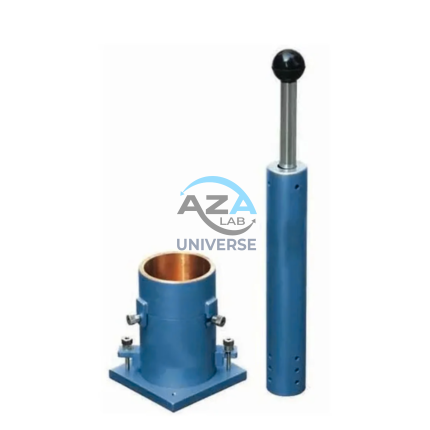
HEAVY COMPACTION TEST AZA0866
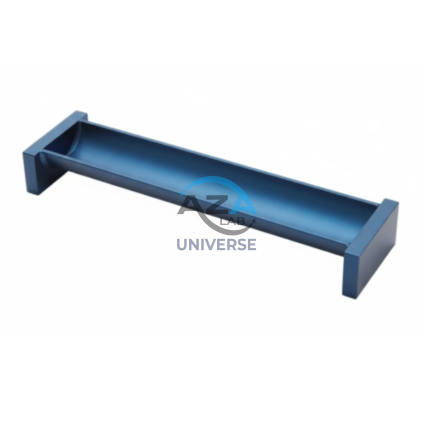
LINEAR SHRINKAGE MOULD AZA0850
The AZA0850 Precision Linear Shrinkage Mould from AZALAB is a compact and highly accurate laboratory instrument designed for determining the linear shrinkage of fine-grained cohesive soils in accordance with BS 1377-2. This test is a key component of soil classification and is especially important in identifying shrink–swell behavior of clays and expansive soils.
Linear shrinkage testing measures the reduction in length of a soil specimen upon drying, expressed as a percentage of its original length. The results provide valuable insight into soil expansiveness, volume stability, and suitability for foundations, pavements, and earthworks.
Manufactured from high-quality brass or stainless steel, the AZA0850 mould offers precise internal dimensions, excellent corrosion resistance, and a smooth polished finish for easy sample preparation and removal. Its robust construction ensures repeatable, reliable results even under high-frequency laboratory use.
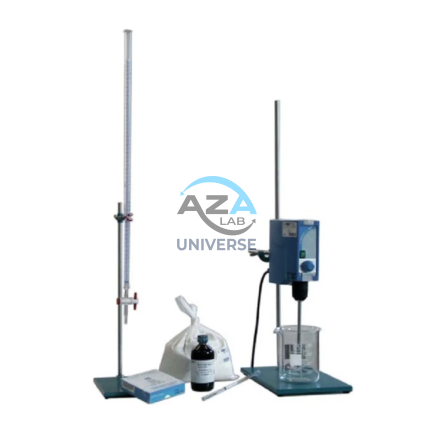
METHYLENE BLUE TEST SET AZA0860
Standards Compliance
- EN 933-9 – Tests for geometrical properties of aggregates (Methylene Blue Test)
- NF P94-068
- UNE 83 180
- UNI 8520-15
- ASTM C837 – Methylene Blue Index of Clay in Fine Aggregate
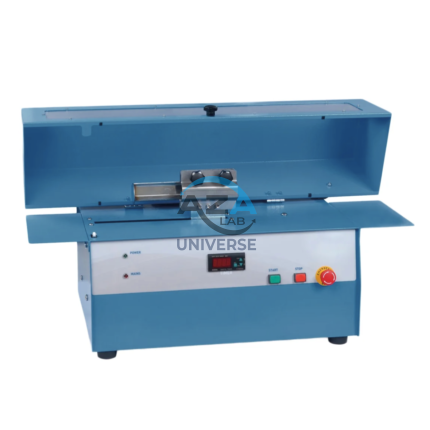
MOTORISED SAND EQUIVALENT SHAKER AZA0861
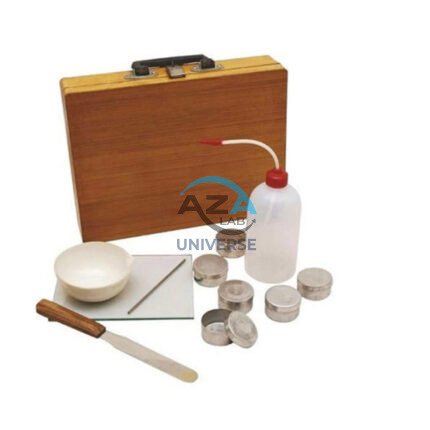
PLASTIC LIMIT SET AZA0848
- Soil classification (Atterberg limits)
- Assessing workability and consistency
- Evaluating shrink–swell characteristics
- Supporting foundation, pavement, and earthwork design
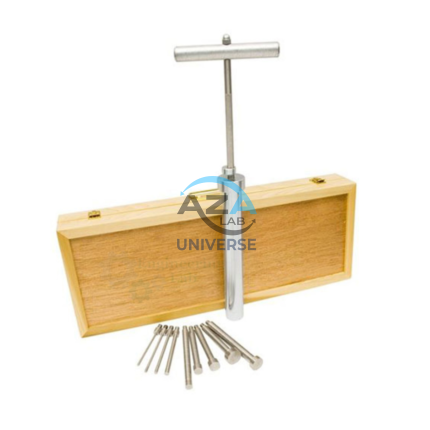
PROCTOR NEEDLES (SPRING TYPE) AZA0868
- Field assessment of soil compaction
- Estimation of optimum moisture condition
- Subgrade, fill, and trench inspection
- Construction quality control checks
- Geotechnical and educational field investigations