
 Rock
Rock Aggregate
 Cement
 Concrete
 Soil
Soil Steel
Steel Bitumen/Asphalt
 Security Survey Equipment
 General Items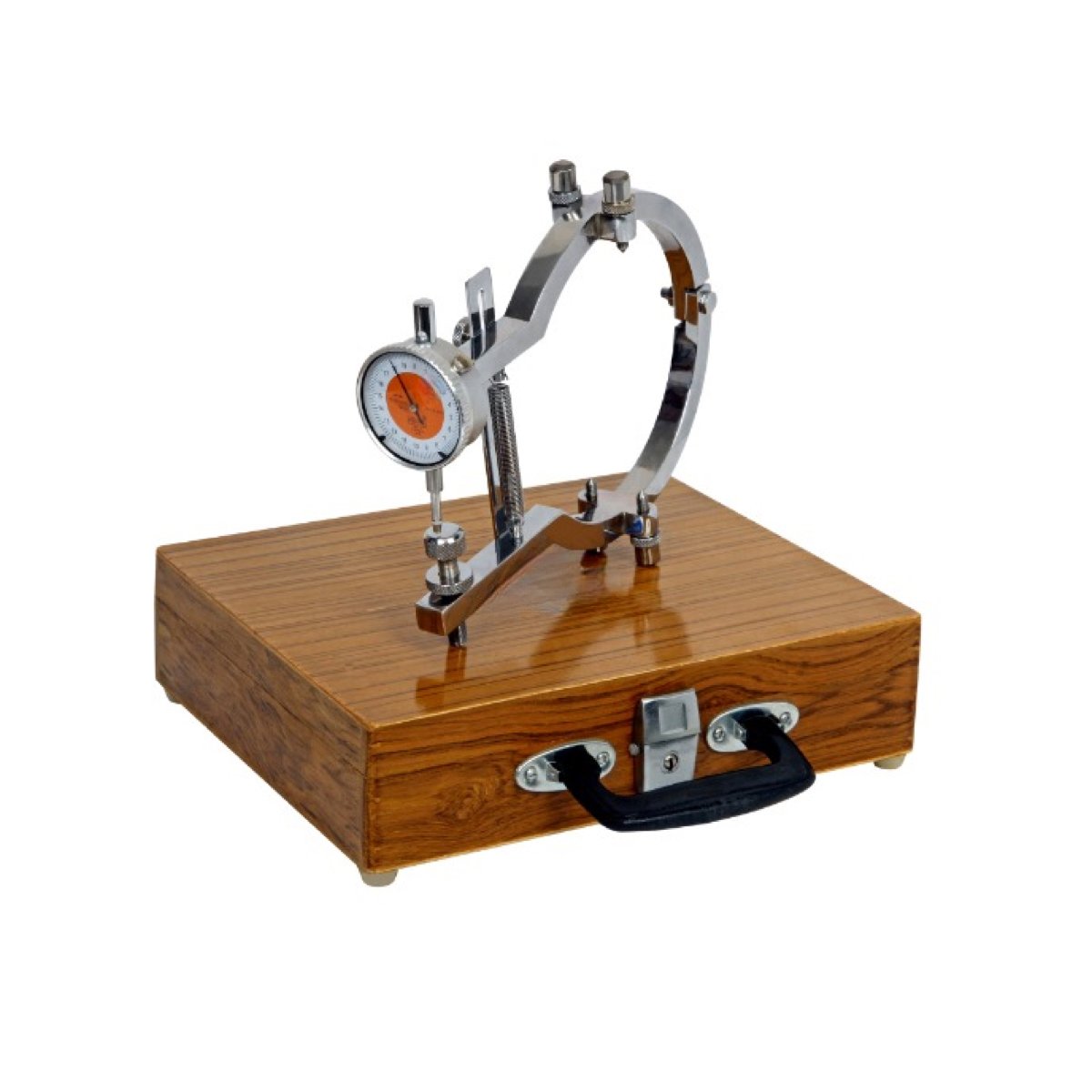
LATERAL EXTENSOMETER AZA1171
The AZA 1171 Lateral Extensometer is a precision mechanical instrument designed for accurate measurement of lateral (transverse) strain in concrete and other rigid materials during compressive testing. It is an essential accessory for civil engineering laboratories, research institutions, and quality control facilities engaged in the evaluation of concrete mechanical properties.
Specifically engineered for 150 mm diameter × 300 mm height concrete cylinders, the AZA 1171 enables precise monitoring of diameter expansion while the specimen is subjected to compressive loads. This lateral deformation data is critical for determining Poisson’s Ratio, modulus of elasticity, and understanding material failure behavior under stress.
Unlike axial extensometers, which measure vertical shortening, the AZA 1171 captures transverse expansion with high resolution. The device clamps externally onto the specimen without causing damage, ensuring non-destructive testing and repeatable measurements.
Description
Design & Construction
The extensometer consists of two movable frames pivoted at one end, allowing smooth and accurate tracking of lateral deformation. It is secured to the specimen using tightening screws, ensuring stable contact throughout the test.
A high-precision dial gauge (0.002 mm resolution, 5 mm travel) is mounted on the upper ring, with its probe resting against a hardened anvil. The zero reference can be accurately set using the anvil adjustment screw, allowing consistent baseline readings before load application.
All components are manufactured from corrosion-resistant materials, ensuring durability, dimensional stability, and long service life even under repeated testing cycles. The instrument is supplied in a wooden carrying case for safe storage and transport.
Why Use a Lateral Extensometer?
When concrete is compressed, it expands laterally. Measuring this deformation is essential for a complete understanding of material behavior.
Key Advantages:
-
Accurate determination of Poisson’s Ratio
-
High-resolution lateral strain measurement
-
External mounting with no specimen alteration
-
Reliable performance during full compression cycles
-
Compatible with most compression and universal testing machines
Key Features & Benefits
High Precision Measurement
Dial gauge with 0.002 mm resolution ensures accurate strain detection.
Non-Destructive External Mounting
Clamps directly onto the specimen without embedded sensors or adhesives.
Robust Mechanical Design
Two-frame pivoted structure provides stable and repeatable readings.
Easy Zero Adjustment
Anvil screw allows precise zero setting before testing.
Wide Compatibility
Designed for use with standard compression and universal testing machines.
Supplied Ready for Use
Delivered with dial gauge and protective wooden carrying case.
Applications
-
Determination of Poisson’s Ratio in concrete
-
Elastic modulus evaluation
-
Compression testing of concrete cylinders
-
Civil engineering laboratory testing
-
Research and academic material studies
-
Quality control in construction materials testing
Specifications
| Parameter | Value |
|---|---|
| Model | AZA 1171 – Lateral Extensometer |
| Specimen Size | 150 mm dia × 300 mm height concrete cylinder |
| Dial Gauge Range | 0–5 mm |
| Dial Gauge Resolution | 0.002 mm |
| Measuring Type | Mechanical (Dial Gauge) |
| Mounting Method | Clamp-based with tightening screws |
| Frame Construction | Corrosion-resistant steel / alloy |
| Gauge Adjustment | Anvil screw zero setting |
| Compatibility | Compression & Universal Testing Machines |
| Supply | Supplied with wooden carrying case |
| Application Area | Concrete & rigid materials testing |
Frequently Asked Questions (FAQ)
Q1: What is a lateral extensometer used for?
It measures lateral deformation of concrete specimens during compressive loading.
Q2: Which specimen size is it designed for?
It is designed for 150 mm diameter × 300 mm height concrete cylinders.
Q3: Can it be used with any compression testing machine?
Yes, it is compatible with most standard compression and universal testing machines.
Q4: Is the measurement destructive?
No. The extensometer mounts externally and does not alter the specimen.
Q5: How accurate is the measurement?
The dial gauge provides 0.002 mm resolution, ensuring high accuracy and repeatability.
Additional information
| Gauge Length |
50 mm (standard), adjustable |
|---|---|
| Resolution |
0.01 mm |
| Operating Environment |
Lab and industrial setups |
You may also like…


Related products

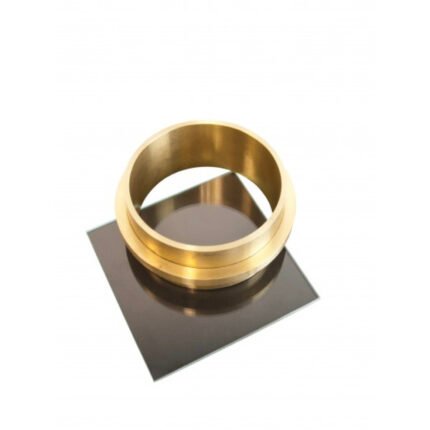
J-RING, NARROW GAP AZA1109
AZA1109 J-Ring – Narrow Gap is a precision testing apparatus designed to evaluate the passing ability of Self-Compacting Concrete (SCC) under highly restrictive conditions. This device simulates densely congested reinforcement zones by creating artificial obstructions that the fresh SCC must flow through without blocking or segregating. It is an essential tool for determining whether SCC mixes are suitable for heavily reinforced structural elements such as beams, columns, and shear walls.
The narrow gap design offers a more stringent test compared to standard J-Rings, allowing engineers and quality control professionals to accurately observe flow diameter, T50 flow time, and blocking behavior. When used in combination with a standard slump flow cone, AZA1109 provides reliable, repeatable results that help optimize mix designs and ensure consistent on-site performance.
Manufactured from durable, corrosion-resistant steel, the AZA1109 is built for repeated use in laboratory and field testing environments. The apparatus is fully compliant with ASTM C1621 and EFNARC guidelines, ensuring internationally accepted testing procedures.
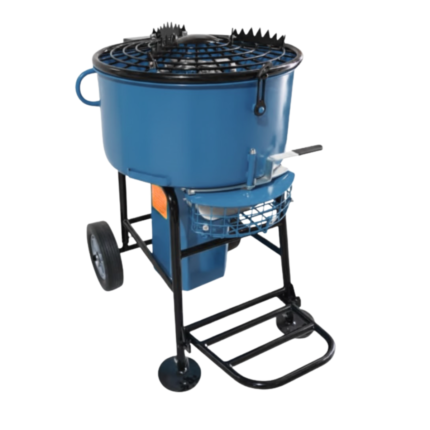
LABOMIX CONCRETE PAN MIXER AZA1118
The AZA1118 Labomix Concrete Pan Mixer is designed for demanding, high-volume mixing operations in construction laboratories, R&D facilities, and material testing centers. Built for durability and precision, it delivers consistent blends of concrete, mortar, grout, and aggregate mixes while supporting rigorous IS/ASTM test procedures.
Engineered with a high-efficiency gear-driven transmission, it provides stable torque, low maintenance requirements, and excellent mixing uniformity. The unit is available in multiple capacities from 90 litres to 300 litres, enabling users to select suitable volume for their operational needs.
The mixer features exchangeable mixing shovels, a safe-locking automatic discharge system, and large mobility wheels that allow a single operator to handle batching, mixing, and discharging efficiently.
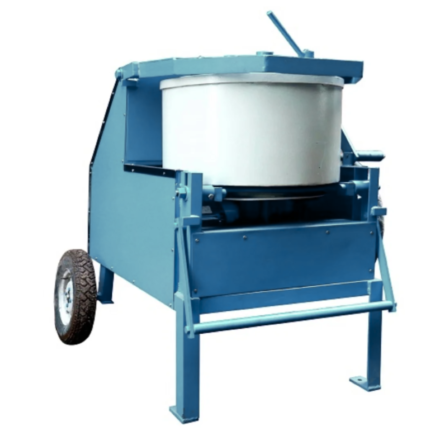
LABORATORY PAN MIXER (CAPACITY 40 LTRS) AZA1117
Key Features
- 40-litre mixing capacity ideal for cube specimen preparation
- Supports aggregate sizes up to 20 mm
- 2 HP motor, 960 RPM, 3-phase for heavy-duty mixing
- Adjustable steel blades for both dry and wet mix uniformity
- Portable design with wheels for easy movement
- Full-access drum lid for safe loading, pouring, and cleaning
- Gear-driven system for uniform, high-consistency mixing
- Easy maintenance and corrosion-resistant finish
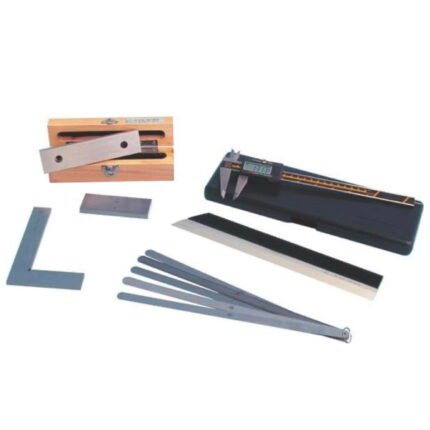
MOULD VERIFICATION KIT – PRECISION QC TOOL AZA1121
- Flatness of mould and specimen surfaces
- Straightness along mould edges and specimen sides
- Perpendicularity of internal walls and corners
- Dimensional accuracy (L × W × H, and diameter for cylinders)
- Go/No-Go tolerance checks for standardized cube mould sizes
- Surface deviation & gap measurement using feeler gauges
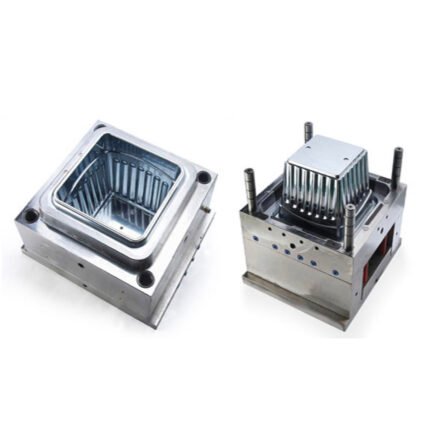
PLASTIC MOULDS AZA1125
The AZA1125 One-Piece Plastic Cube Mould (150 mm) from Azalab is a next-generation alternative to traditional metal cube moulds. Built from high-strength, non-deformable engineering plastic, this mould is designed to offer superior ease of use, long service life, and consistent dimensional accuracy for concrete compressive strength testing.
Its seamless, single-piece construction eliminates the need for bolts, screws, or external frames. Users simply apply demoulding oil, cast the concrete, and after curing, eject the cube using compressed air or water pressure, achieving clean and damage-free removal every time.
Compared to heavy metal moulds, the AZA1125 weighs nearly 90% less, providing clear advantages in portability, handling, and storage—making it ideal for both laboratory and on-site testing environments. Manufactured using an eco-friendly, non-polluting process, this mould supports sustainability goals in modern construction testing.
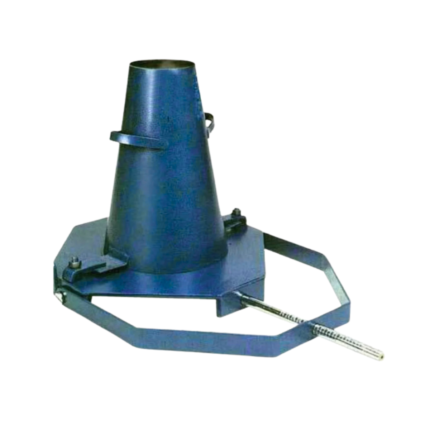
SLUMP TEST APPARATUS AZA1102
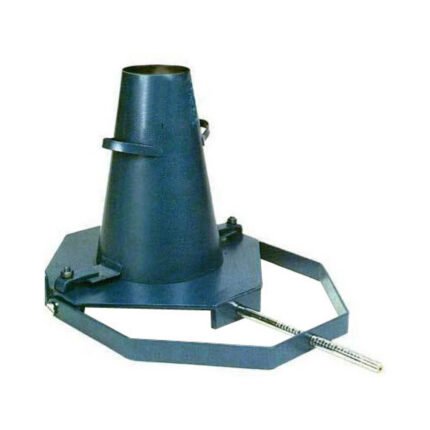
AZA1102 Slump Test Apparatus is designed for the accurate evaluation of concrete workability and consistency in both laboratory and field conditions. It is an essential quality control tool used in construction projects, civil engineering laboratories, and educational institutions.
This apparatus complies with IS 7320 and BS 1881-102 standards, ensuring reliable and standardized test results. It is primarily used to determine the slump value of fresh concrete, indicating its ease of placement, compaction, and finishing.
The set includes a durable metal slump cone manufactured to standard dimensions — 200 mm bottom diameter, 100 mm top diameter, and 300 mm height — providing dimensional accuracy and long service life. A 16 mm diameter tamping rod, 600 mm long with rounded ends, is provided to properly compact the concrete sample in layers.
The apparatus is suitable for testing concrete with aggregate sizes up to 38 mm, making it ideal for common residential, commercial, and infrastructure applications.
To improve handling and stability, the unit includes a rigid base plate with clamping arrangements and lifting handles, making it easy to use both on construction sites and in laboratories.
The AZA1102 Slump Test Apparatus is known for its simple operation, rugged construction, high accuracy, and low maintenance, making it a dependable choice for routine concrete testing.
STRAIGHT EDGE AZA1120
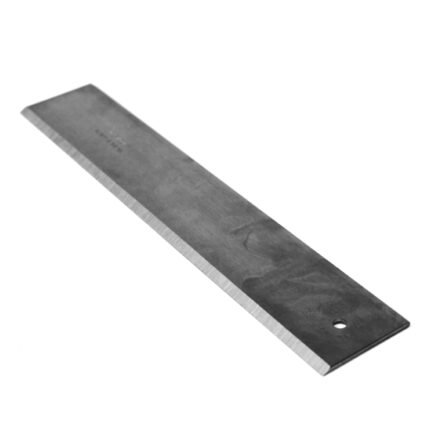
The AZA1120 Precision Steel Straight Edge is a laboratory-grade tool engineered for leveling, scraping, and finishing concrete and soil specimens during testing procedures. Used extensively in concrete cube/cylinder preparation, slump cone tests, and air meter testing, this straight edge ensures flat, uniform specimen surfaces essential for accurate and repeatable results.
Manufactured from high-grade hardened steel, the AZA1120 offers superior rigidity, dimensional stability, and long-term durability. The flat, 1-inch wide, 12-inch long bar profile allows smooth handling and effortless removal of excess material from molds. A corrosion-resistant polished or matte finish further enhances longevity and reliability in both lab and field conditions.

TAMPING ROD AZA1119
The AZA1119 Tamping Rod is a precision-engineered tool designed for proper compaction of concrete during laboratory and field testing. Essential for slump tests, cube/cylinder preparation, and unit weight determination, this rod ensures accurate removal of air voids, resulting in reliable and repeatable test outcomes.
Manufactured from hardened high-grade steel or stainless steel, the rod maintains dimensional accuracy, bending resistance, and a corrosion-proof finish. Each unit is polished to a smooth surface and features hemispherical ends to prevent mold damage and ensure uniform rodding action. The AZA1119 conforms to ASTM C143, ASTM C192, ASTM C138, IS 1199, and other major testing standards.
It is available in 16 mm and 25 mm diameters, with standard lengths of 600 mm (optional 450 mm). The rods are suitable for use in construction materials labs, QC departments, R&D centers, and field sampling units.