
 Rock
Rock Aggregate
 Cement
 Concrete
 Soil
Soil Steel
Steel Bitumen/Asphalt
 Security Survey Equipment
 General Items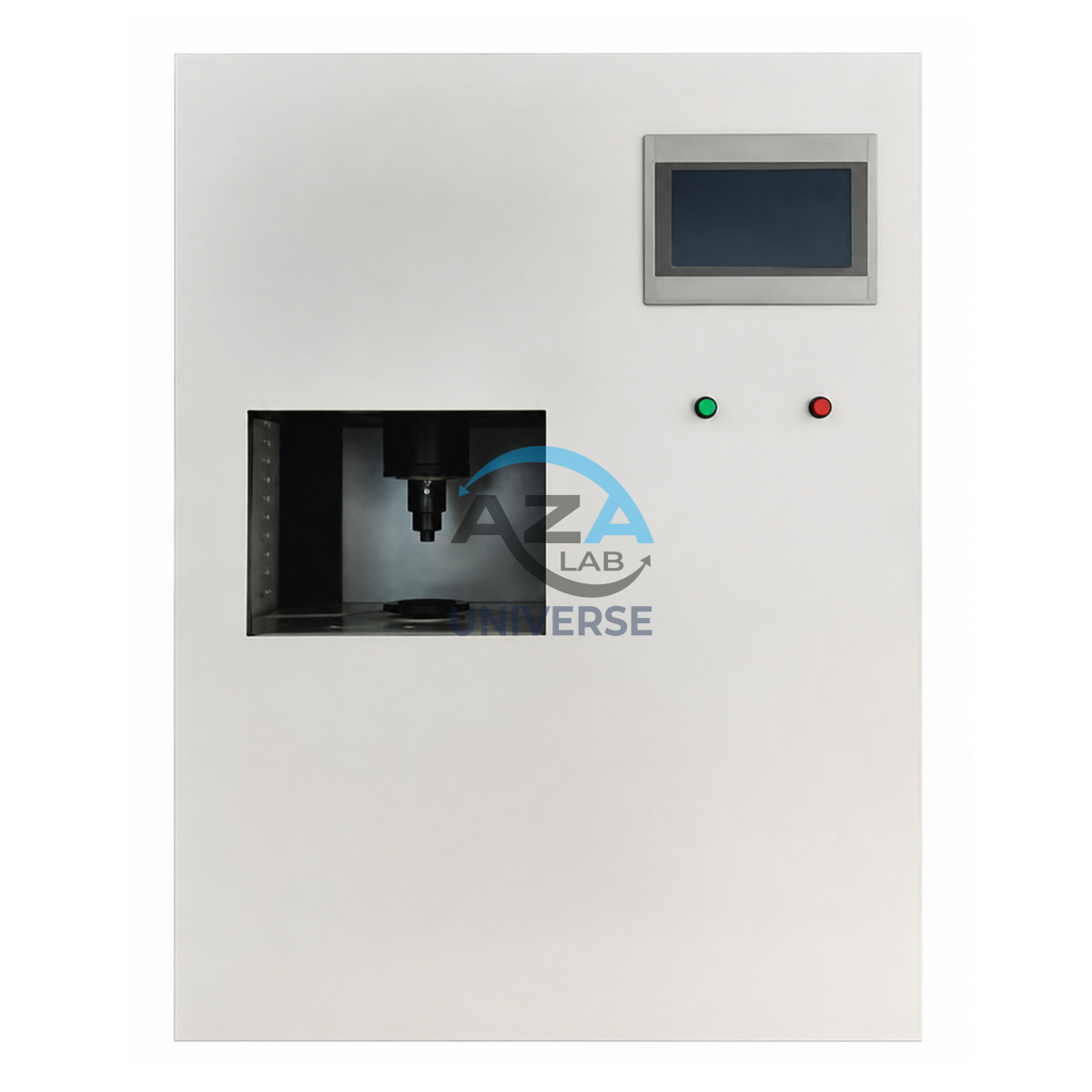
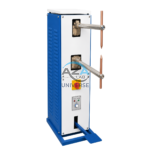
APPARATUS FOR SHEAR STABILITY OF LUBRICATING OILS CONTAINING POLYMERS AZA1329A
The AZA1329A Apparatus for Shear Stability of Lubricating Oils Containing Polymers by AZA LAB is a precision-engineered testing system designed for determining the shear stability of polymer-containing lubricating oils under controlled mechanical stress conditions. Developed in accordance with DIN 51350-6, the apparatus evaluates the permanent viscosity loss of lubricants subjected to mechanical shear similar to real gearbox operating conditions.
The AZA1329A utilizes a tapered roller shearing system (KRL – Kugel Rollen Lager) integrated with a Shell Four-Ball Tester and constant temperature control system to accurately assess lubricant degradation and viscosity stability. This instrument is widely used in lubricant testing laboratories, petrochemical industries, transmission oil development centers, research institutions, and quality control facilities.
Description
SYSTEM CONSTRUCTION
The AZA1329A consists of the following major components:
- Embedded body assembly
- Mandrel system
- Tapered roller friction pair
- Tapered roller bearing assembly
- Constant temperature control system
- Refrigeration-based temperature regulation unit
- High-load mechanical testing system
- Precision force application mechanism
The integrated imported compressor-based cooling system ensures highly stable temperature control throughout long-duration testing.
STANDARD COMPLIANCE
The AZA1329A conforms to:
- DIN 51350-6 – Testing of lubricants using Shell Four-Ball Tester for shear stability determination
- CEC L-45-99 – KRL tapered roller bearing shear stability test
Additionally, the system supports Four-Ball Wear and Extreme Pressure Testing Standards including:
- ASTM D2783 – Extreme Pressure Properties of Lubricating Fluids (Four-Ball Method)
- ASTM D2266 – Wear Preventive Characteristics of Lubricating Grease (Four-Ball Method)
- ASTM D4172 – Wear Preventive Characteristics of Lubricating Fluid (Four-Ball Method)
TECHNICAL SPECIFICATIONS AZA1329A
| Parameter | Specification |
|---|---|
| Model | AZA1329A |
| Make | AZA LAB |
| Standard Compliance | DIN 51350-6, CEC L-45-99 |
| Motor Speed | 1475 ± 25 RPM |
| Temperature Control Mode | Imported Compressor |
| Sample Temperature | 60 ± 1°C |
| Sample Volume | 40 ± 0.5 ml |
| Test Load | 5000 ± 200 N |
| Test Period | 174000 s (Approx. 19 h 40 min) |
| Power | 5.5 kW |
| Power Supply | Standard Laboratory Supply |
| Dimensions (L × W × H) | 640 × 380 × 895 mm |
| Weight | Approx. 150 kg |
Related products
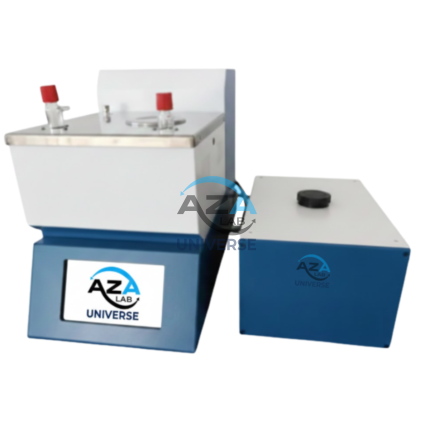
APPARATUS FOR HYDROGEN SULFIDE TESTER AZA1314
The Apparatus for Hydrogen Sulfide Tester AZA1314 from AZA Lab conforms to the ASTM D7621 Standard Test Method for the determination of hydrogen sulfide in fuel oils by rapid liquid phase extraction.
In this method, a weighed test sample is placed into a heated vessel containing a diluent base oil, where air is bubbled through to extract hydrogen sulfide gas. The extracted gas is then directed, via a vapor phase processor (Procedure A), to an H₂S-specific electrochemical detector, which measures its concentration in air and calculates the amount in the liquid phase in mg/kg. For Procedure B, the use of a filter cartridge is not required.
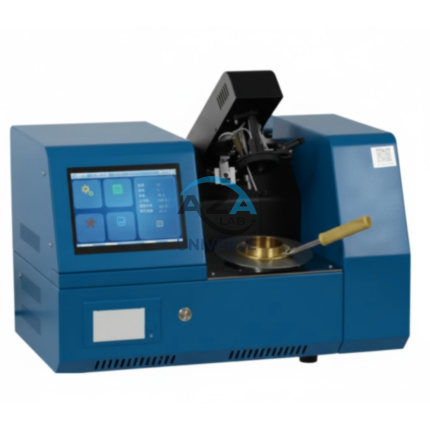
CLEVELAND OPEN CUP (D92) FLASH & FIRE POINT TESTER AZA1291
The Cleveland Open Cup Flash Point Tester AZA1291 from AZA Lab is a precision-engineered analytical instrument designed for accurate determination of flash point and fire point of petroleum products in full compliance with ASTM D92 and GB/T 3536-2008 standards. Built for reliability, safety, and intelligent operation, the AZA1291 is ideal for petroleum laboratories, refineries, inspection agencies, and quality control departments requiring repeatable and standards-compliant results.
The analyzer is suitable for samples with flash points ranging from 79°C to 400°C, covering a broad spectrum of petroleum products such as lubricating oils, transformer oils, diesel, heating oils, base oils, waxes, and other high-flash-point materials.
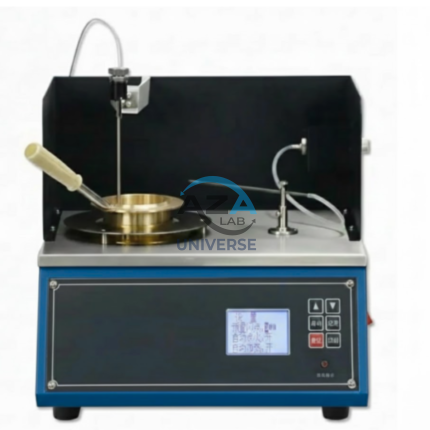
CLEVELAND OPEN-CUP FLASH & FIRE POINT TESTER AZA1292
The Cleveland Open Cup Flash Point Tester AZA1292 from AZA Lab is a reliable and precision-engineered laboratory instrument designed for determining the flash point and fire point of petroleum products in strict accordance with ASTM D92 and GB/T 3536-2008 standards. Engineered for accuracy, safety, and operational simplicity, the AZA1292 is an ideal solution for petroleum laboratories, refineries, inspection agencies, and quality control departments.
The instrument is suitable for testing petroleum products with flash points in the range of 79°C to 400°C, excluding fuel oils, and delivers consistent, repeatable, and standards-compliant results.
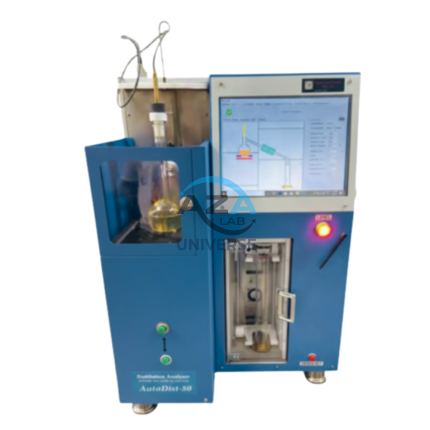
PRECISION AUTOMATED DISTILLATION ANALYZER AZA1281
Standards Compliance
- ASTM D86
- ISO 3405
- IP 123
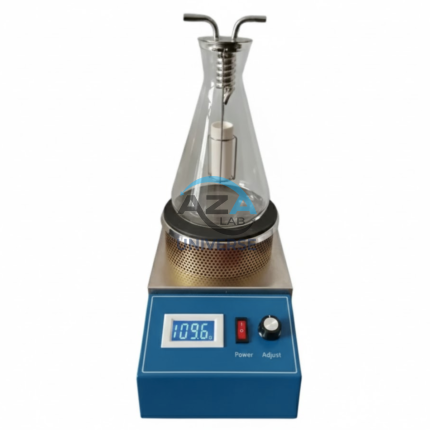
SEDIMENT EXTRACTION TESTER AZA1313
The AZA1313 Sediment Extraction Tester from AZA Lab is a precision laboratory instrument engineered for the accurate determination of sediment content in crude oils and fuel oils using the extraction method specified in ASTM D473. Designed for reliability, consistency, and long-term laboratory use, this tester is an essential tool for petroleum refineries, inspection laboratories, and fuel quality control facilities.
Sediment content is a critical quality parameter that directly impacts storage stability, processing efficiency, pipeline integrity, and combustion performance of petroleum products. The AZA1313 ensures precise sediment measurement by extracting insoluble material using toluene, delivering dependable results across sediment concentrations ranging from 0.01% to 0.40% by mass, with capability for higher concentrations when required.
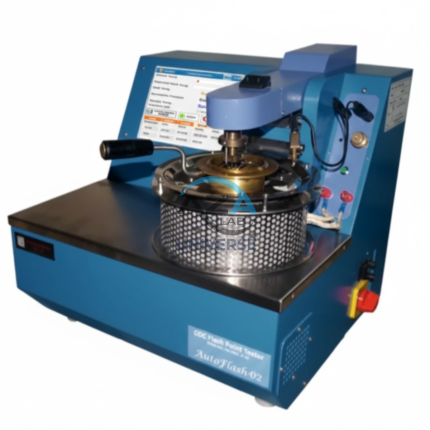
STAINLESS STEEL COC CLEVELAND OPEN CUP FLASH POINT ANALYZER AZA1293
The AZA1293 Flash Point Analyzer from AZA Lab is a precision-engineered instrument designed for accurate determination of the flash point of flammable and combustible liquids using the Cleveland Open Cup (COC) method. Manufactured with high-grade stainless steel construction, this analyzer ensures excellent thermal stability, long service life, and consistent test performance even under demanding laboratory conditions.
Fully compliant with ASTM D92, the AZA1293 is an essential laboratory tool for petrochemical laboratories, refineries, lubricant manufacturers, fuel testing facilities, and industrial R&D centers where reliable flash point determination is critical for safety classification and quality assurance.
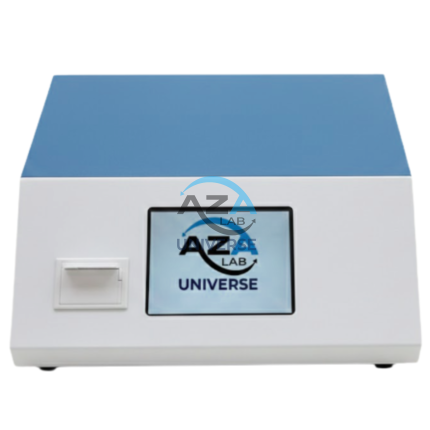
X-RAY SULFUR METER TESTER AZA1300B
The X-Ray Sulfur Meter (Model: AZA1300B) from AZA Lab is a highly efficient and precise instrument designed to measure sulfur content in petroleum and petrochemical products during production. It enables fast, non-destructive analysis, making it an essential tool for quality control, process optimization, and regulatory compliance.
Ideal for use in refineries, laboratories, and production sites, this instrument provides accurate, reliable results with minimal sample preparation, ensuring consistent performance and repeatability.
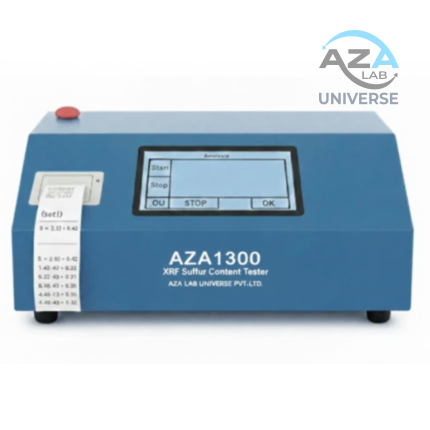
XRF SULFUR CONTENT TESTER AZA1300
The AZA Lab Sulfur Content Analyzer – AZA1300 is a state-of-the-art instrument designed for precise and rapid determination of sulfur content in petroleum, petrochemical, and coal chemical products. Based on the energy-dispersive X-ray fluorescence (EDXRF) principle, it integrates advanced electrical, mechanical, and microprocessor technologies to deliver high accuracy, reliability, and ease of operation.
Engineered to comply with ASTM D4294, GB/T 17040, SH/T0742, and GB/T11140 standards, the Model 1300 provides dependable measurement results with excellent repeatability and reproducibility. Its intelligent design ensures automatic corrections for environmental conditions such as temperature, pressure, and C/H ratio, making it a versatile solution for laboratories and production facilities alike.
Compact, user-friendly, and equipped with advanced safety features, the AZA1300 is an ideal tool for routine quality control, process monitoring, and research applications where sulfur determination is critical.