
 Rock
Rock Aggregate
 Cement
 Concrete
 Soil
Soil Steel
Steel Bitumen/Asphalt
 Security Survey Equipment
 General Items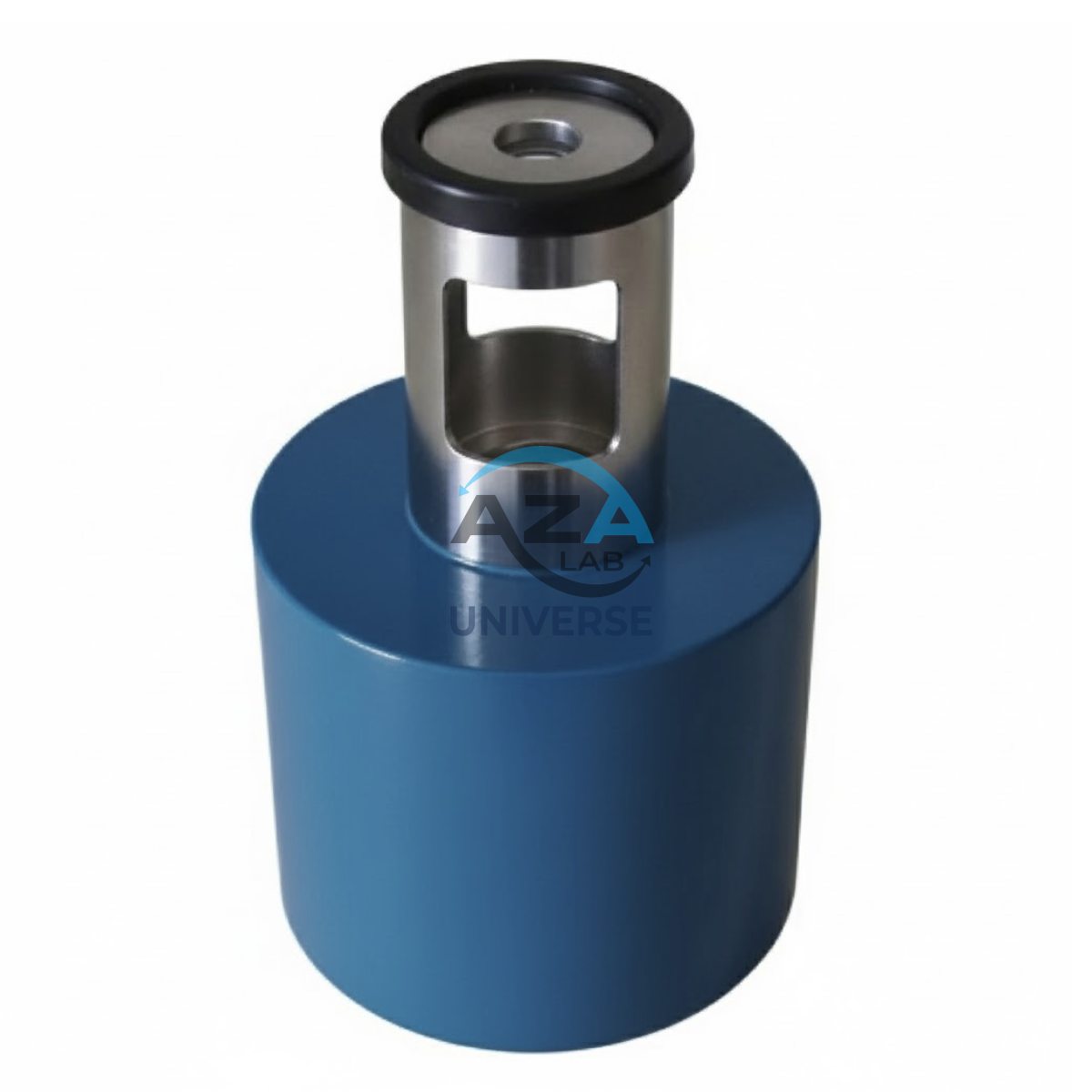
TESTING ANVIL FOR MECHANICAL & ELECTRONIC HAMMER AZA1150
The AZA1150 Testing Anvil is a high-precision calibration device engineered for validating the performance of both mechanical and electronic rebound hammers. It provides a stable, controlled impact surface for ensuring accurate, repeatable measurements when assessing the hardness and compressive strength of concrete using ASTM C805 or EN 12504-2 compliant hammers.Manufactured from hardened, precision-machined steel, the AZA1150 offers exceptional stability and minimal rebound variance, making it indispensable for calibration labs, construction QC teams, and civil engineering testing facilities.
Key Features
-
- Heavy-duty hardened steel construction
- Compatible with mechanical & electronic Schmidt hammers
- Ensures repeatable, trusted calibration results
- Precision-machined impact surface for stability
- Conforms to ASTM C805 & EN 12504-2 calibration requirements
- Ideal for quality control labs, R&D centers, and field verification
- Includes calibration certificate
Description
Specifications
| Feature | Specification |
|---|---|
| Model | AZA1150 |
| Material | Hardened steel |
| Compatible Hammer Types | Mechanical & electronic rebound hammers |
| Surface Hardness | ≥ 60 HRC |
| Dimensions (L × W × H) | Approx. 150 × 150 × 200 mm |
| Weight | Approx. 16–18 kg |
| Standard Compliance | ASTM C805, EN 12504-2 |
| Included Certification | Calibration certificate |
| Surface Finish | Precision-machined, ground |
Applications
-
Calibration of Schmidt hammers
-
Quality control for concrete testing labs
-
Structural health monitoring
-
R&D testing of impact devices
-
Routine verification in field testing teams
-
Civil engineering research and education
Frequently Asked Questions (FAQ)
Q1: Why is a testing anvil required for calibration?
A1: It provides a standardized impact surface that ensures reliable and repeatable calibration in accordance with ASTM/EN standards.
Q2: How often should calibration be performed?
A2: Before each major test series, whenever accuracy is critical, or after extensive field use.
Q3: Does it support electronic hammers?
A3: Yes. It is compatible with all major mechanical and electronic rebound hammer models.
Q4: Is a calibration certificate included?
A4: Yes. Each AZA1150 unit is supplied with a certificate of compliance.
Q5: Can it be used in mobile test setups?
A5: Yes, the anvil’s stable base and controlled hardness make it suitable for both lab and field conditions.
Why Choose AZALAB?
-
Trusted manufacturer of precise testing and calibration systems
-
Fast delivery and complete after-sales support
-
Calibration & recertification services available
-
Widely used by construction QC labs, contractors, and institutions
Additional information
| Material |
Hardened steel |
|---|---|
| Compatible Hammer Types |
Mechanical and electronic rebound hammers |
| Surface Hardness |
≥60 HRC |
| Dimensions (L x W x H) |
Approx. 150 x 150 x 200 mm |
You may also like…
Related products
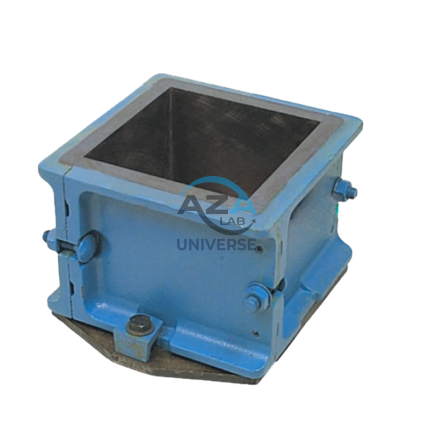
CUBE MOULD (METAL) AZA1122
Purpose & Function
This mould supports the preparation of standardized cube specimens that are used in:- Compressive strength testing
- Batch-wise quality control in construction
- Concrete mix design validation
- Research on material performance and durability
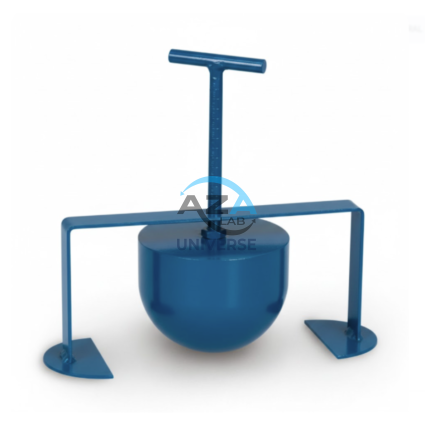
KELLEY BALL PENETRATION APPARATUS AZA1106
- Direct workability assessment using steel ball penetration
- Fully compliant with ASTM C360
- Portable and rugged for field and lab testing
- Heavy-duty steel/aluminum frame for long-term durability
- Built-in scale for accurate depth measurement
- Simple setup and low maintenance
- Provides a reliable alternative to the slump test
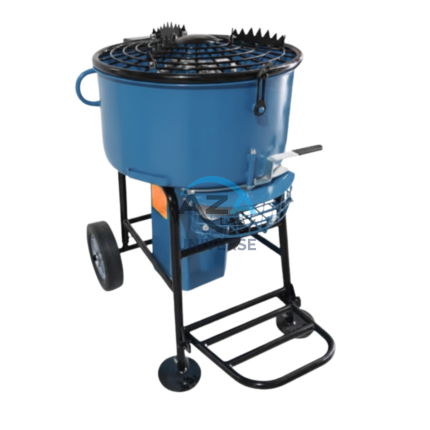
LABOMIX CONCRETE PAN MIXER AZA1118
The AZA1118 Labomix Concrete Pan Mixer is designed for demanding, high-volume mixing operations in construction laboratories, R&D facilities, and material testing centers. Built for durability and precision, it delivers consistent blends of concrete, mortar, grout, and aggregate mixes while supporting rigorous IS/ASTM test procedures.
Engineered with a high-efficiency gear-driven transmission, it provides stable torque, low maintenance requirements, and excellent mixing uniformity. The unit is available in multiple capacities from 90 litres to 300 litres, enabling users to select suitable volume for their operational needs.
The mixer features exchangeable mixing shovels, a safe-locking automatic discharge system, and large mobility wheels that allow a single operator to handle batching, mixing, and discharging efficiently.
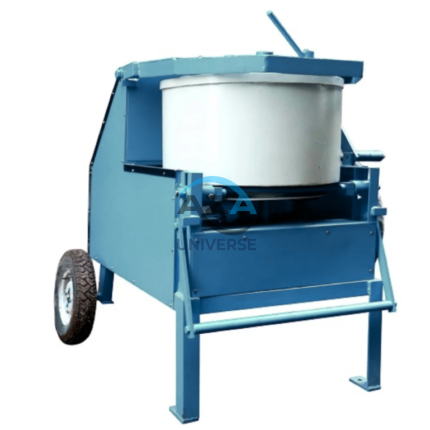
LABORATORY PAN MIXER (CAPACITY 40 LTRS) AZA1117
Key Features
- 40-litre mixing capacity ideal for cube specimen preparation
- Supports aggregate sizes up to 20 mm
- 2 HP motor, 960 RPM, 3-phase for heavy-duty mixing
- Adjustable steel blades for both dry and wet mix uniformity
- Portable design with wheels for easy movement
- Full-access drum lid for safe loading, pouring, and cleaning
- Gear-driven system for uniform, high-consistency mixing
- Easy maintenance and corrosion-resistant finish
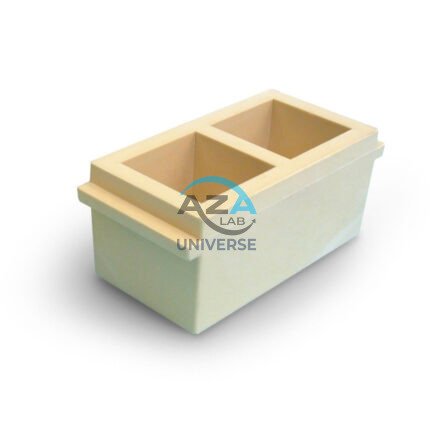
PLASTIC CUBE MOULD AZA1126
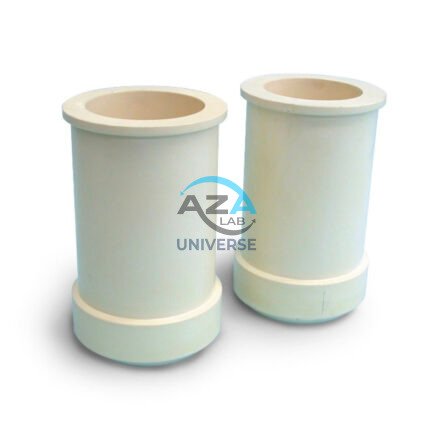
PLASTIC CYLINDERICAL MOULD AZA1127
| Model No. | Size | Material | Weight |
|---|---|---|---|
| AZA 1127 A | 150 mm × 300 mm | Polyurethane | 1.65 kg |
| AZA 1127 B | 100 mm × 200 mm | Polyurethane | 0.90 kg |
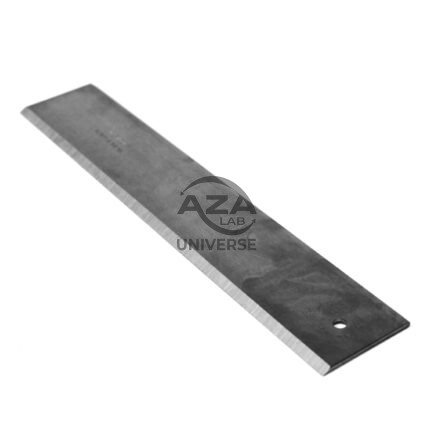
STRAIGHT EDGE AZA1120
The AZA1120 Precision Steel Straight Edge is a laboratory-grade tool engineered for leveling, scraping, and finishing concrete and soil specimens during testing procedures. Used extensively in concrete cube/cylinder preparation, slump cone tests, and air meter testing, this straight edge ensures flat, uniform specimen surfaces essential for accurate and repeatable results.
Manufactured from high-grade hardened steel, the AZA1120 offers superior rigidity, dimensional stability, and long-term durability. The flat, 1-inch wide, 12-inch long bar profile allows smooth handling and effortless removal of excess material from molds. A corrosion-resistant polished or matte finish further enhances longevity and reliability in both lab and field conditions.
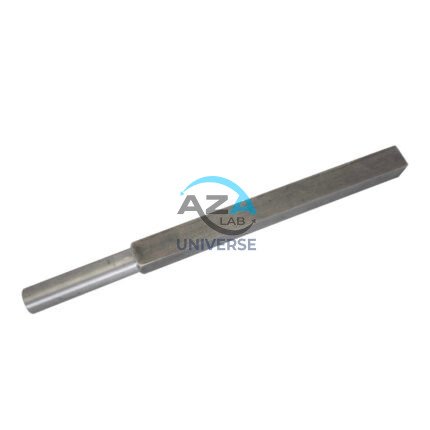
TAMPING ROD AZA1119
The AZA1119 Tamping Rod is a precision-engineered tool designed for proper compaction of concrete during laboratory and field testing. Essential for slump tests, cube/cylinder preparation, and unit weight determination, this rod ensures accurate removal of air voids, resulting in reliable and repeatable test outcomes.
Manufactured from hardened high-grade steel or stainless steel, the rod maintains dimensional accuracy, bending resistance, and a corrosion-proof finish. Each unit is polished to a smooth surface and features hemispherical ends to prevent mold damage and ensure uniform rodding action. The AZA1119 conforms to ASTM C143, ASTM C192, ASTM C138, IS 1199, and other major testing standards.
It is available in 16 mm and 25 mm diameters, with standard lengths of 600 mm (optional 450 mm). The rods are suitable for use in construction materials labs, QC departments, R&D centers, and field sampling units.